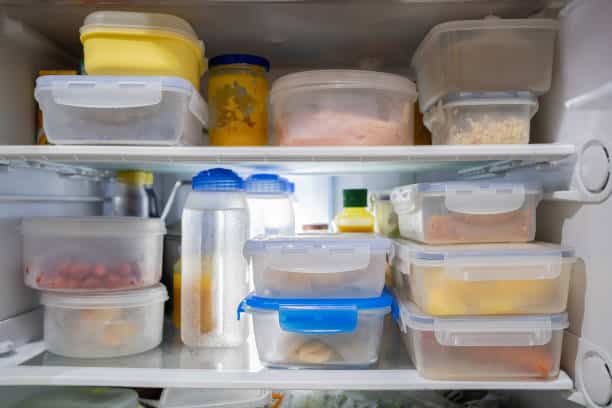
There’s nothing particularly exciting about plastic containers, but most of us rely on them every single day. They’re lightweight, inexpensive, easy to store, and incredibly convenient when it’s time to pack lunch, save leftovers, or prep meals for the week. Because they’re so common, it’s easy to assume they’re perfectly safe—especially when they’re labeled “microwave-safe.”
But convenience can sometimes hide risks, and research is revealing that microwaving food in plastic containers may be far more harmful than most people realize.
A study conducted by the New York University Langone Medical Center and published in the journal Hypertension has shed light on the potential health consequences of heating food in plastic. According to the study, doing so may increase the risk of developing high blood pressure and insulin resistance, both of which are major risk factors for prediabetes and type 2 diabetes.
These findings echo long-standing concerns raised by scientists and health experts. For years, researchers have warned that heating plastic—even plastics labeled as safe—can cause chemical compounds to leach into food. The NYU study provides more evidence that these chemicals, once ingested, may interfere with the body’s metabolic processes.
RELATED: 9 of The Scariest Chemicals Hiding in Your Home
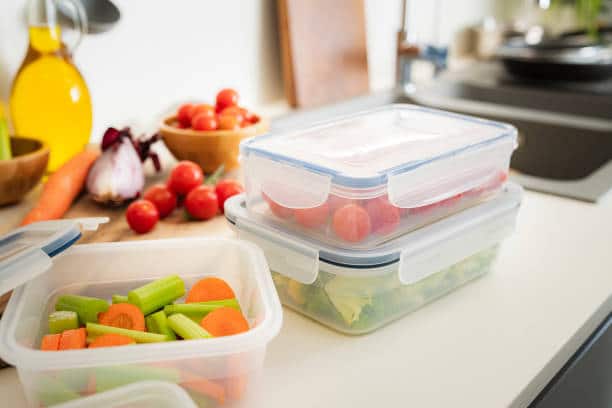
Plastic containers may look simple, but they’re made using a wide range of chemical compounds designed to increase durability, flexibility, or clarity. Some of these additives are known endocrine disruptors—chemicals that can mimic or interfere with hormones in the body.
Two compounds highlighted in the NYU research are:
Di-isononyl phthalate (DINP)
Di-isodecyl phthalate (DIDP)
These compounds are part of a broader family of chemicals known as phthalates, which are commonly used in products like plastic wrap, soaps, flooring, food packaging, and of course, plastic containers. Phthalates are used to make plastic more flexible, but unfortunately, they don’t permanently bind to the material. That means they can break down, migrate, and leach into food—especially when exposed to heat.
Children and adolescents appear to be particularly vulnerable to the harmful effects of phthalates. Studies have linked phthalate exposure with increased blood pressure, higher insulin resistance, and various metabolic issues in younger populations. Given how often many families reheat leftovers or warm baby food in plastic, the potential long-term health implications become even more concerning.
Lead researcher Leonard Trasande, MD, emphasized the seriousness of these findings. In a public statement, he noted:
“Our research adds to growing concerns that environmental chemicals might be independent contributors to insulin resistance, elevated blood pressure and other metabolic disorders.”
In other words, even if someone exercises regularly, eats well, and does all the “right things,” environmental exposure—like reheating food in plastic—could still undermine their health.
Environmental factors often fly under the radar because their effects are gradual and not immediately visible. But over time, repeated exposure to harmful chemicals can create a compounding effect, eventually leading to chronic conditions.
RELATED: Plastic Chemicals Tied to 350,000 Heart-Related Deaths: What to Know
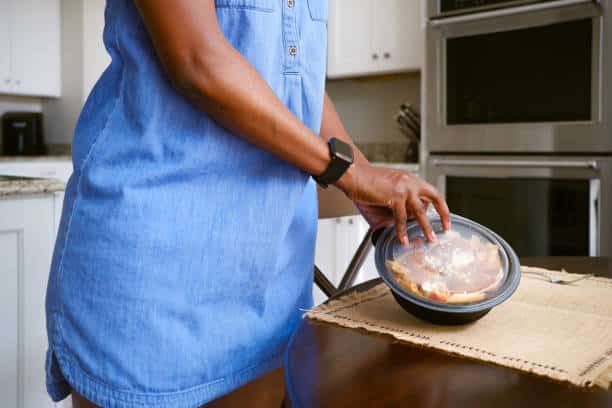
When plastic is heated—whether in the microwave, dishwasher, or even through prolonged sun exposure—it breaks down faster. This breakdown accelerates the release of chemicals such as phthalates and bisphenols (like BPA), which can then migrate into food or beverages.
Even plastics labeled “microwave-safe” or “BPA-free” are not entirely risk-free. “Microwave-safe” generally means the container won’t melt or warp, not that it won’t leach chemicals. And while BPA-free products eliminate one harmful compound, many manufacturers replace it with alternatives like BPS or BPF, which research shows may have similar endocrine-disrupting effects.
This means the safest approach is to assume that no plastic is truly safe to microwave.
Fortunately, avoiding harmful exposure doesn’t require drastic lifestyle changes. A few simple swaps and habits can significantly reduce risk:
These materials do not leach chemicals when heated, making them ideal for storing and reheating food. Glass meal-prep containers, mason jars, and ceramic bowls are excellent options.
While not perfect, BPA-free products are generally safer than those containing bisphenol A. However, they still shouldn’t be microwaved.
High heat and harsh detergents accelerate the breakdown of plastic, increasing the likelihood of chemical leaching.
Visible wear and tear—scratches, cloudiness, changes in texture—indicates the plastic is degrading.
These numbers often indicate that the material contains higher-risk chemicals, including PVC (polyvinyl chloride), polystyrene, and mixed plastics.
If you prefer storing food in plastic containers for convenience, that’s fine—just move the food to a glass or ceramic dish before microwaving.
Plastic containers may be convenient, but the science is increasingly clear: microwaving food in plastic exposes you to chemicals that can negatively affect your health. With strong evidence linking phthalates and other plasticizers to high blood pressure, insulin resistance, and metabolic disorders, it’s well worth taking a few simple precautions.
Switching to safer alternatives like glass and ceramic, avoiding heat exposure to plastic, and being more mindful of the types of containers you use can dramatically reduce your exposure to harmful chemicals—protecting not just your own health, but the health of your family as well.


By subscribing, you consent to receive emails from BlackDoctor.com. You may unsubscribe at any time. Privacy Policy & Terms of Service.