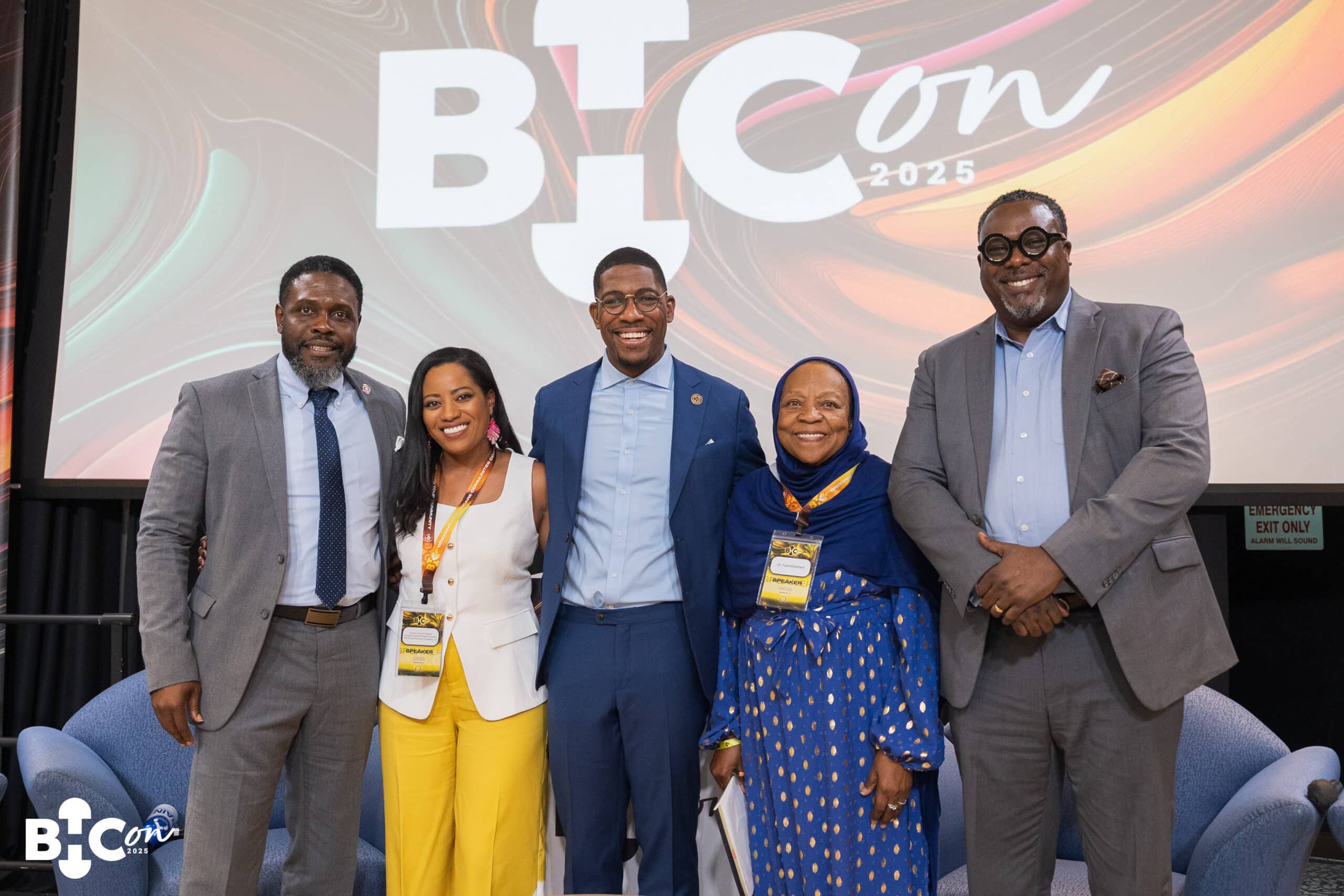
Imagine a world where your treatment is made just for you—based on your DNA, your family history, and your unique biology. That future isn’t far off. At the 2025 Black Health Connect Conference, the panel “It’s in Our Genes: Genetics and the Future of Precision Medicine” brought this vision to life.
But here’s the catch: we need more people—especially Black and underserved communities—to be part of the data that drives this future.
Genomics is not just about science—it’s about your life. From how you respond to medications to your risk of chronic illness, your genetic makeup holds critical answers. But if you’re not in the system—or if the system doesn’t understand your ancestry—you could be getting the wrong care.
Moderator:
Speakers:
These experts shared urgent insights about making precision medicine more inclusive, and they didn’t hold back.
Genetic testing isn’t just for people with rare conditions—it’s a powerful tool for everyone. And yes, you can do it from home. Many tests can now be mailed directly to you, no clinic visit required.
Do cancer, heart disease, or diabetes run in your family? Write it down. Share it with your doctor. This info, combined with your genetics, helps create a roadmap for better care.
The medical system often overlooks non-white patients in research. This has to change. There’s not enough genetic data from Black communities, which means medications may not work as well, or could even cause harm. Your participation in research and testing helps fix this.
Your metabolism changes with age, and your genes influence how your body processes medication. Without the right data, you could be taking drugs that don’t work for you, or worse, cause harm.
The term “minority” doesn’t reflect reality, especially not in health. African-descended populations hold some of the richest genetic diversity on the planet. That knowledge should guide innovation, not be left out of it.
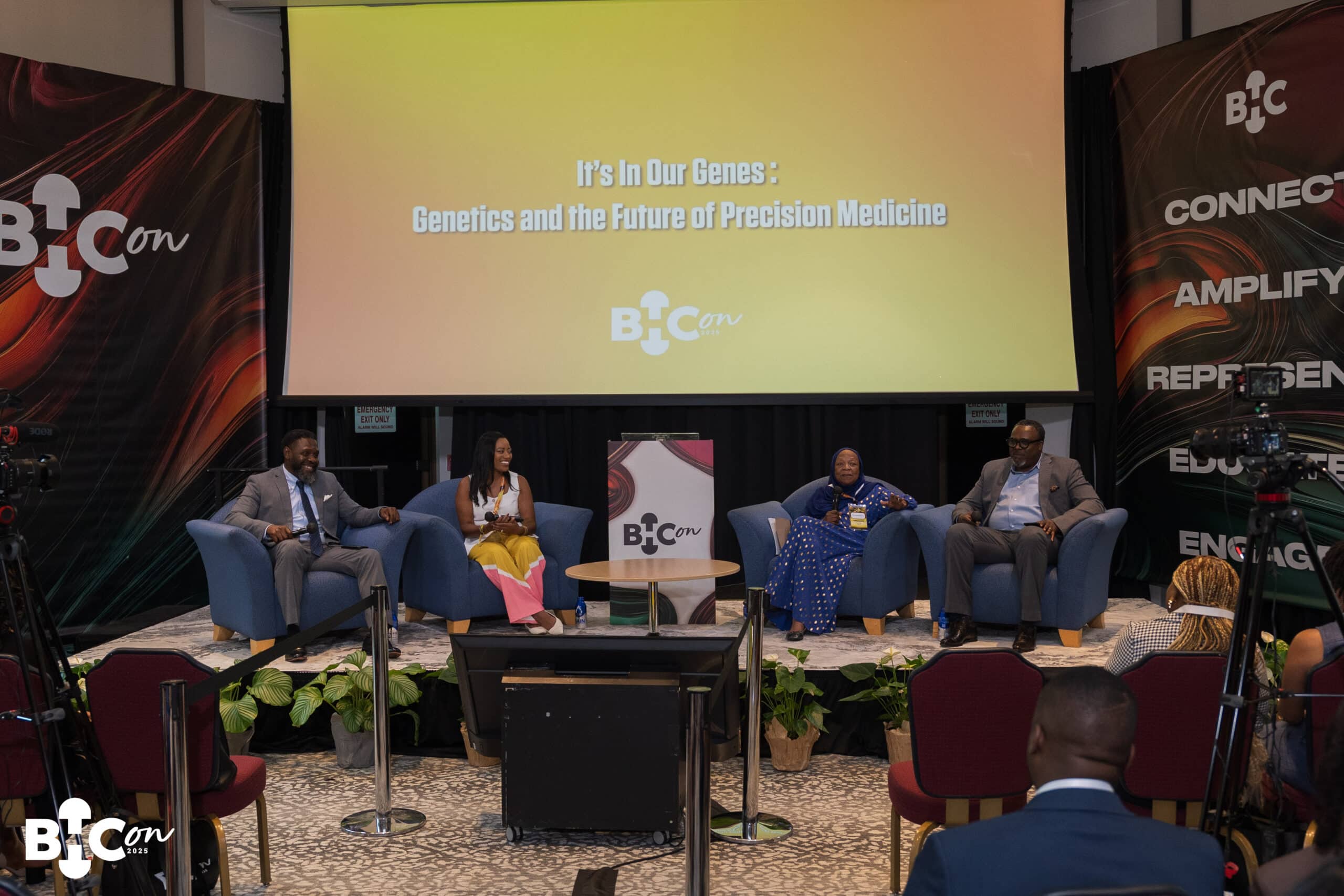
This panel didn’t shy away from hard truths. Historical abuse and exploitation in medical research—especially involving enslaved individuals—has led to deep mistrust. But the speakers emphasized that trust must be rebuilt with transparency, accountability, and education.
The panel—and the conference as a whole—pushed for a new vision: one where healthcare is shaped by the people it serves. Precision medicine won’t work unless everyone’s DNA is in the conversation.
The rallying cry? “Nothing About Us Without Us.”
So the next time you think about your health, ask yourself: Am I part of the future of medicine, or just a bystander?
You have more power than you think. Use it.


By subscribing, you consent to receive emails from BlackDoctor.com. You may unsubscribe at any time. Privacy Policy & Terms of Service.