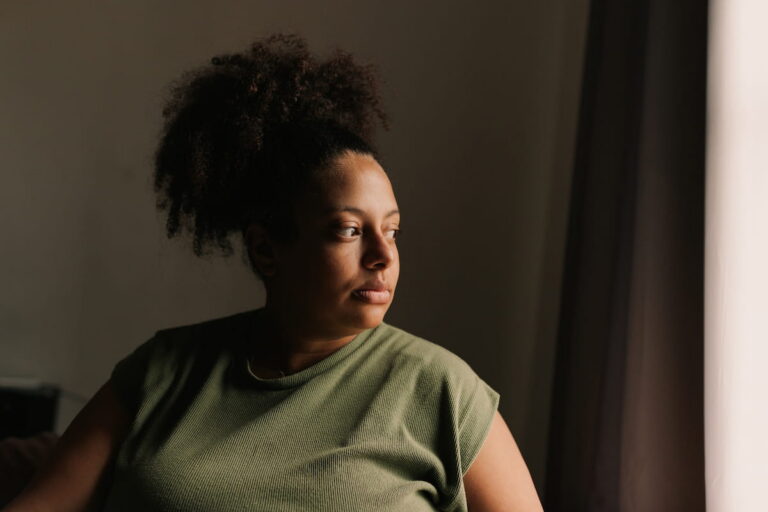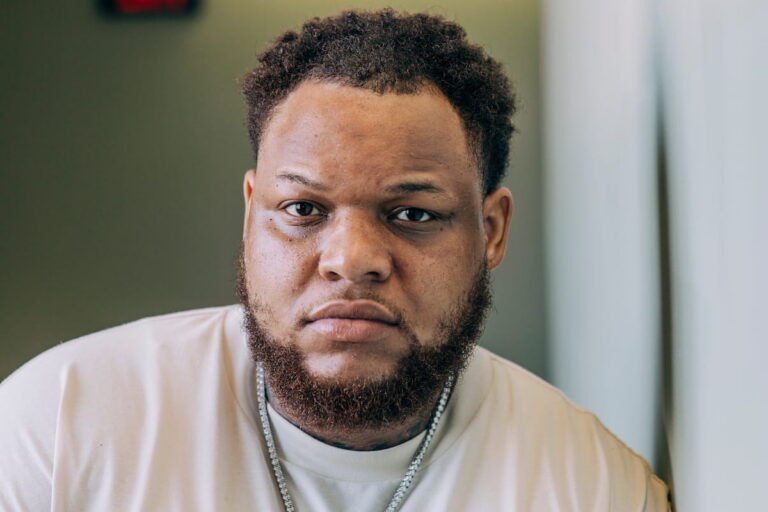
“I’m fine.”
“I’m good.”
“I’ll be alright.”
We’ve all heard it—and many of us have said it—when we were absolutely not okay.
Whether it’s your uncle with untreated diabetes, your sister going through something she won’t talk about, or a friend who’s been “off” lately, those two little words—I’m fine—can be a mask for pain, fear, and deep emotional exhaustion.
In Black communities, this phrase is more than just a deflection. It’s a survival tool, rooted in generations of cultural trauma, distrust, and resilience. Understanding why we say we’re fine—especially when we’re not—is the first step to helping each other get real about our health, our emotions, and healing.
Let’s take it back. Our people—Black folks in the U.S. and across the Diaspora—have had to hold it together through the unthinkable. Enslavement, segregation, police violence, medical abuse, generational poverty, and systemic racism didn’t leave room for fragility.
Saying “I’m fine” was armor.
It meant, “I can’t afford to break down.”
It meant, “If I admit I’m not okay, what will happen to me?”
It meant, “Nobody’s going to help anyway.”
This survivalism has been passed down through generations. Even when we’re bleeding emotionally, physically, or spiritually, we’ve learned to stay strong, keep going, and not make a fuss.
The Strong Black Woman schema is one well-documented example of this legacy, often encouraging Black women to suppress their needs to care for others and preserve dignity.
RELATED: 5 Signs You Need A Therapist
Our communities also have deep, justified mistrust of medical systems—and for good reason.
So when your cousin skips their follow-up, or your brother avoids the ER even when his chest is tight, it’s not just about stubbornness. It’s about trauma and defense mechanisms.
They might be thinking:
This fear isn’t irrational. It’s historical. And it sits in our nervous systems.
RELATED: Is It Possible To Be Depressed But Not Sad?
For many Black folks—especially men—vulnerability has been framed as weakness. Growing up, a lot of us heard things like:
So we learn to tuck our feelings deep down. Over time, emotional repression becomes the default, and “I’m fine” becomes the script—even when someone is dealing with grief, depression, chronic illness, or mental health struggles.
You know your people. You feel it in your gut when something’s off. Here are subtle signs that someone might be struggling beneath the surface:
Even if they’re functioning, don’t confuse coping with healing. Survival is not the same as being well.
RELATED: Black Folks & Depression: 5 Reasons We Suffer In Silence
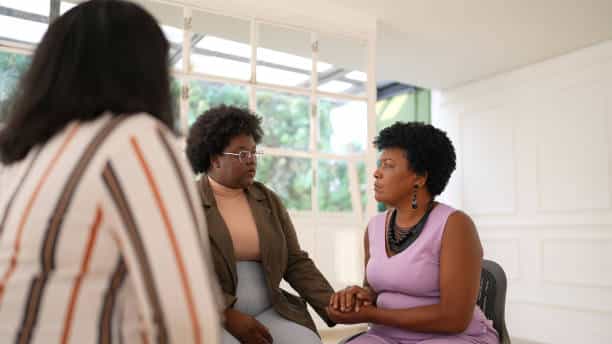
So, how do you reach someone who says “I’m fine” but clearly isn’t?
Catch them during a quiet time, not when they’re rushed or overwhelmed. A phone call, a car ride, or a casual one-on-one can be better than a public or high-pressure convo.
Say things like:
“You’ve been on my heart lately. Just checking in—how are you really?”
“I’ve noticed you’ve been quieter than usual. Everything okay?”
“You don’t have to talk if you’re not ready, but I’m here. No judgment.”
People often default to “I’m fine” the first time. Ask again gently.
“I hear you. But just in case ‘fine’ means something else today—I got time to listen.”
Model vulnerability by talking about your own stress or health issues.
“I didn’t realize how much I was holding until I broke down last month. That’s why I ask.”
RELATED: Depression & Stress: Faking It Until You Make It Can Hurt In The Long Run

“You just need to pray about it.”
Spiritual support is real, but it’s not a substitute for therapy or care.
“You’re being dramatic.”
This shuts people down and deepens silence.
“Other people have it worse.”
Pain is not a competition.
“You’re too strong to let this get to you.”
Strength is not the absence of struggle.
“Just get over it.”
Healing is not linear. Grief, depression, and trauma take time.
When someone says, “I’m fine,” what they might really mean is:
“I don’t know how to talk about this.”
“I’m afraid of falling apart.”
“I don’t want to be a burden.”
“I was taught not to ask for help.”
It’s not always about denial—it’s about survival programming. But we’re allowed to unlearn that. We’re allowed to redefine wellness as something we build together, not something we fake alone.
Little by little, we can help shift the script:
When someone says, “I’m fine,” don’t stop listening. Listen with your heart. Listen with your spirit. Ask again. Hold space. Be patient. And remind them:
“You don’t have to carry it alone.”
“You don’t have to be fine to be loved.”
“You deserve support, even if you’re still figuring it out.”
Because behind every “I’m fine,” there’s a story. And sometimes, your presence is the first step toward someone finding the words—and the help—they truly need.


By subscribing, you consent to receive emails from BlackDoctor.com. You may unsubscribe at any time. Privacy Policy & Terms of Service.