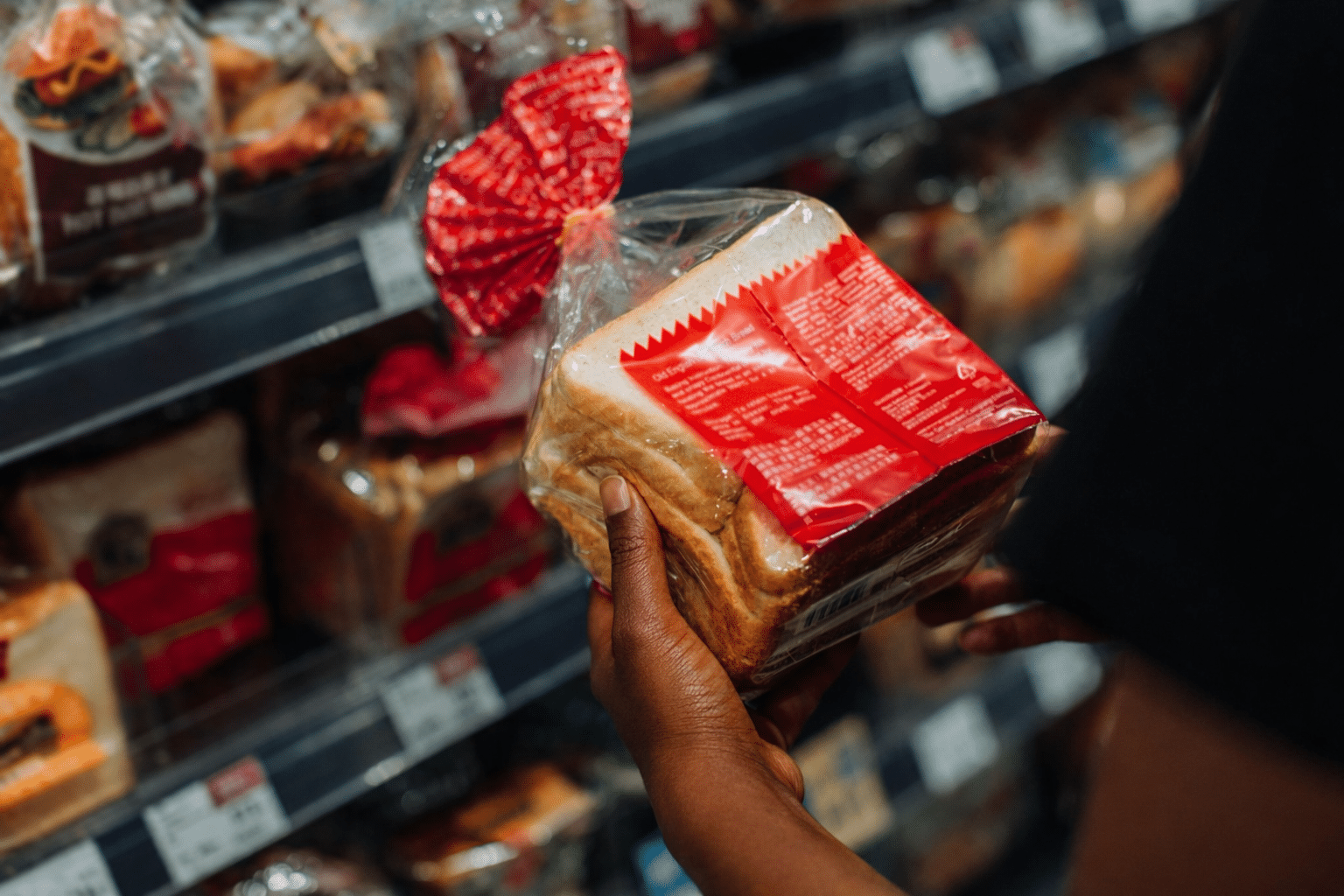
 Who doesn’t love bread? From biscuits to croissants and everywhere in between, its hard to find someone who doesn’t like some form of bread. But, if you’re watching your blood pressure, bread can be a sneaky problem food—not because bread is “bad,” but because many popular breads stack up sodium, refined starch, and sometimes added sugar in a way that makes it harder to keep blood pressure in a healthy range. Sodium is the big one: the American Heart Association recommends no more than 2,300 mg/day (and an “ideal” goal of 1,500 mg/day for most adults). Cutting about 1,000 mg/day can improve blood pressure for many people.
Bread matters because it’s easy to eat multiple servings without noticing. One sandwich might be two slices. A bagel is often treated as “one,” but nutritionally it can equal several slices of bread. When bread is salty and you eat it often, it can become a meaningful chunk of your daily sodium budget.
Below are the breads most likely to work against healthy blood pressure—and better alternatives that still feel satisfying.
Sodium can raise blood pressure by increasing fluid retention and affecting blood vessel function. Many breads land in the “moderate sodium” range per serving, and the servings add up quickly.
Refined flour breads (think white bread) digest quickly, spike blood sugar more easily, and tend to be lower in fiber and minerals. Diet patterns that emphasize whole grains are consistently recommended in heart-healthy eating plans, including approaches proven to lower blood pressure such as DASH.
Some breads—especially “sweet” styles—contain added sugars and other additives that make it easy to overeat and harder to manage weight, which is strongly tied to blood pressure.
White bread is usually made with refined flour and tends to be low in fiber. Many brands also add enough sodium that two slices can contribute a noticeable amount to your day. If you’re eating it daily (toast, sandwiches, snacks), it becomes a steady sodium-and-low-fiber habit.
Better swap: 100% whole wheat or true whole-grain bread (look for whole grain as the first ingredient and higher fiber). The AHA suggests choosing grain products that are mostly whole grains (often labeled as 51%+ whole grains).
Bagels are a blood-pressure “double whammy”: they’re often refined, and they’re big—so the sodium and carbs can be much higher than a typical slice of bread. A “bagel sandwich” can quietly turn into a high-sodium meal depending on the fillings too (deli meat, cheese, etc.).
Better swap: thin-sliced whole-grain bread, a whole-grain English muffin, or half a bagel paired with high-fiber toppings (avocado, hummus, nut butter).
These aren’t just “bread”—they’re typically made with refined flour plus lots of butter/shortening and often enough salt to boost flavor. While saturated fat isn’t the same as sodium, these pastries can make it easier to overshoot calories, which can indirectly worsen blood pressure through weight gain and poorer overall diet quality.
Better swap: whole-grain toast, whole-grain sourdough, or oatmeal/overnight oats on mornings when you’re craving something warm and bready.
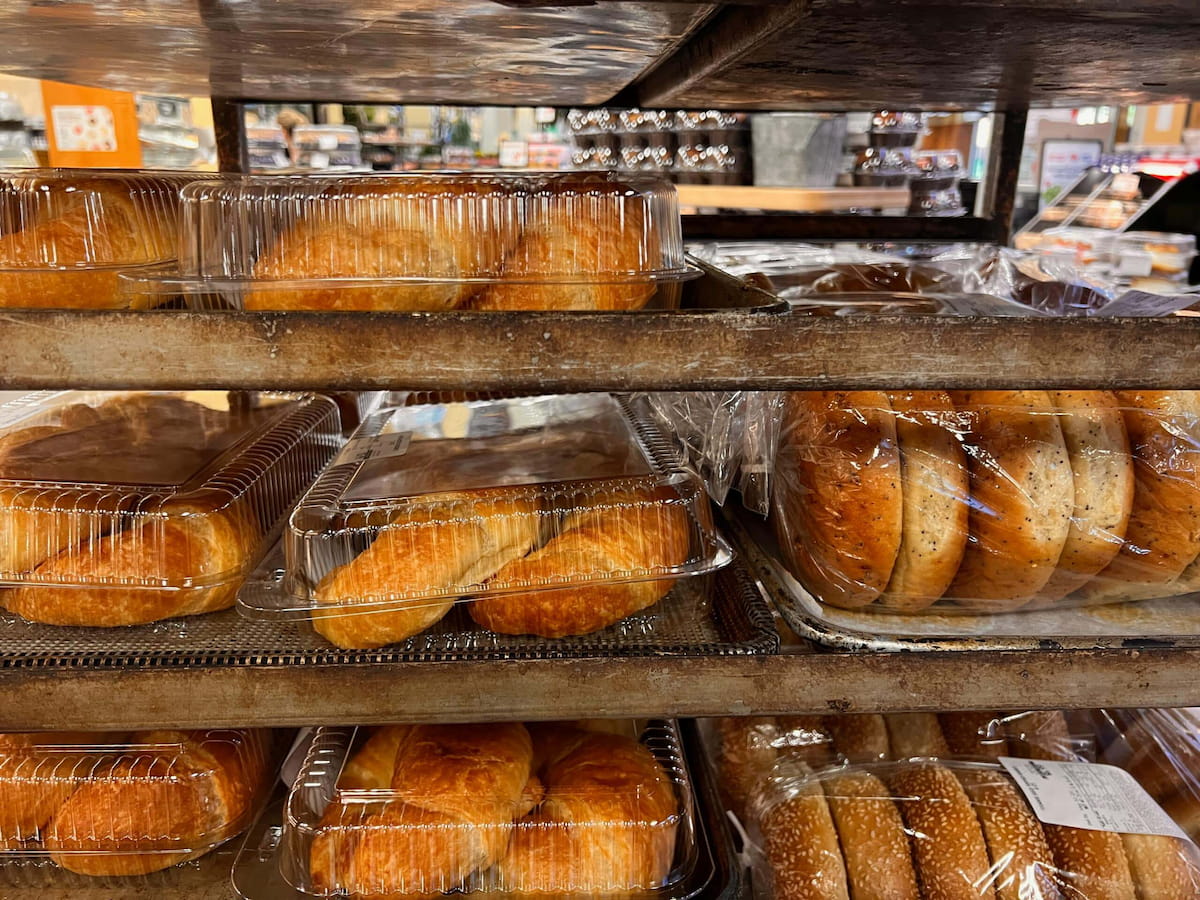
Garlic bread (especially restaurant or frozen versions) is commonly loaded with salted butter, cheese, and seasoning blends—meaning sodium piles up fast. Same goes for many “herb,” “cheddar,” “everything-seasoning,” or stuffed breads.
Better swap: make your own: toast a slice of whole-grain bread with olive oil, garlic, and herbs (and add a sprinkle of parmesan if you like—just keep it light).
Banana bread, cinnamon swirl bread, brioche, challah, and many “breakfast breads” often contain added sugars and refined flour. They can behave more like dessert than a staple—easy to overeat, not especially filling, and not ideal for a blood-pressure-friendly pattern.
Better swap: sprouted whole-grain bread for a naturally slightly sweet taste, or whole-grain toast with fruit on top.
Tortillas and wraps can be surprisingly salty, and large ones can equal multiple servings. Wrap meals also tend to include salty fillings (cheese, sauces, cured meats), turning the whole meal into a sodium surge.
Better swap: smaller whole-grain tortillas, corn tortillas, or use a “wrap” that isn’t bread at all (large lettuce leaves, collard greens, or a bowl-style meal).
Some products lower fat or change texture and compensate with more salt, sweeteners, or additives to keep flavor. Don’t assume a bread is blood-pressure-friendly just because it’s marketed as “light.”
Better swap: ignore the front label and use the Nutrition Facts and ingredient list (more on that below).
This is the everyday workhorse. You get fiber and minerals without blowing your sodium budget. Whole grains are a core part of the DASH eating plan, which can lower high blood pressure in as fast as a couple of weeks for some people.
Sprouted grains can be easier to digest for some people and often come with a strong fiber/mineral profile. Dietitians frequently recommend sprouted whole-grain bread as a blood-pressure-friendly option (especially when sodium is kept reasonable).
Sourdough fermentation can improve flavor without relying on as much added sugar, and whole-grain sourdough keeps the fiber benefits. (Just remember: some sourdoughs are still salty—check the label.)
Rye and other whole grains add variety and often feel more filling. Variety also helps you stick with healthier patterns long-term.
5) Homemade bread (or bakery bread with known ingredients)
If you bake, you control the salt. Even reducing salt modestly can matter when bread is something you eat frequently.
Check sodium first. Compare brands. Try to choose the lowest-sodium option you’ll genuinely eat regularly. Remember the AHA daily targets: 2,300 mg max, 1,500 mg ideal for most adults.
Choose whole grains. Look for “whole wheat” or another whole grain as the first ingredient and aim for breads that are mostly whole grains.
Look for fiber. More fiber usually means better satiety and a steadier blood-sugar response—both helpful for heart health patterns.
Watch added sugars. If it tastes like dessert, it probably behaves like dessert.
You don’t have to quit bread. Start by swapping one daily bread moment (like breakfast toast or your lunch sandwich) to a lower-sodium whole-grain or sprouted option. Over a week, that small shift can meaningfully reduce sodium and boost fiber—two levers that support healthier blood pressure.
Here’s one thing to take note of: If you have kidney disease, heart failure, or are on a medically prescribed sodium restriction, your targets may be different—follow your clinician’s guidance.


By subscribing, you consent to receive emails from BlackDoctor.com. You may unsubscribe at any time. Privacy Policy & Terms of Service.