
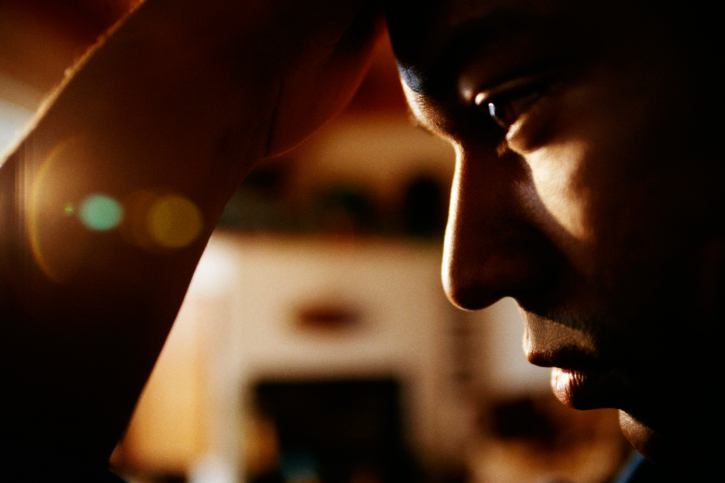
Confusion, despair and anger. In the aftermath of a suicide, these are often the emotions loved ones most easily summon. Confusion about the thought process that led to such a drastic decision spirals into despair at the tremendous and permanent loss this final act caused. When few satisfactory answers are available, anger usually hovers in the near distance. Yet this emotional roller coaster of hurt often pales in comparison to the pain the departed experienced. Whether that pain was real or imagined, in their minds suicide provided the best option to end the suffering. The difficult reality is that it wasn’t, but few other possibilities can seem tolerable when consumed by overwhelming pain.
Losing Robin Williams hurt. Without a doubt his ability to bring a smile to the most stoic faces was unmatched, but as a clinical psychologist it was him becoming one of over 30,000 individuals in the U.S. who complete suicide each year that most unnerved me. Over 90% of people who die by suicide have a diagnosable mental illness, with depression and substance abuse leading the way.
SIGN UP FOR OUR NEWSLETTER HERE!
Mental illness, by definition, creates distortions in how a person experiences the world. Growing psychological and neuroscience research is illuminating the brain’s role in bolstering one of the most potent distorters of reality and consistent predictors of suicidality: hopelessness. Hopelessness that leads to suicide, at its core, represents an embedded belief that life has little to no meaning and is not worth continuing.
The power of this belief to distort the simplest interactions and confirm itself is pervasive and can be all consuming. “Of course she wouldn’t talk to me, what’s the point”, “I can’t do anything right, why am I even here” are just a few of the thoughts that may constantly swirl around the hopeless mind. Couple these beliefs with neurochemical imbalances that illnesses such as depression and substance abuse can foster and life becomes extremely difficult to navigate. While impulsivity and access to lethal means for suicide are key factors in the moment, it is hopelessness that plants the seeds for what the person may eventually believe is the logical conclusion: suicide.
From Don Cornelius To Lee Thompson Young: Why Black Men Are Killing Themselves
How do you tackle hopelessness? It feels as abstract a question as ‘what’s the meaning of life’. Yet it’s a question that mental health professionals have attempted to answer for over a century, with modest results at best. Suicide rates have remained relatively stable between 10.4 and 12.5 people per 100,000 for the past two decades. While the rate for African Americans is slightly below the average at around 8.0 people per 100,000, Black males have a 4.3 times higher rate of suicide than females.
Efforts to fine tune assessment and bolster mental health resources for individuals through expanded insurance coverage and onsite counselors at work and school have likely saved plenty of lives, but have they saved enough? Maybe the answer lies not in where mental health resources are going, but to whom. Doctors and patients are most folks best bet for where to invest time and energy. Doctors heal. Patients need healing. Makes sense. But doctors also have many patients and even fewer hours. Patients have tremendous pain and usually limited coping strategies at the time. Collectively, their time together amounts to game planning for the next crisis.
Where to go from here?
When I took a CPR course a few months ago, the first question the instructor asked was, “Who are you most likely to use CPR on?” We sheepishly looked around until one brave soul raised her hand and said, “Our families.” Bingo. The people closest to us often have the best chance at saving us.
Whether it’s a heart attack or suicidal thoughts, one of the most effective ways to save a life is when the people who know us best and care about us most have the skills to help or quickly get us to someone who can. It’s these people who would benefit from mental health resources that teach how to assess for suicide, to notice changes in mood, or ask questions that encourage a person to share instead of withdraw. And they’d benefit from these skills long before a crisis—probably during a health class or even a job orientation.
Did You Know There’s First Aid…For Mental Health?
If there is one certainty we’ve learned from decades of treating individuals contemplating suicide, it’s that regardless of how deep the pain, often ambivalence about choosing to end one’s life runs deeper. Sometimes the right person with the right skills at the right time can tip the scales toward life.
Visit the BlackDoctor.org Mental Health center for more articles.

Isaiah Pickens is a clinical psychologist who trains health professionals and teens on psychological trauma and suicide prevention. He is the founder of iOpening Enterprises, a multimedia company specializing in developing entertaining and educational stories for teens, young adults, and the adults who work with them. Follow Dr. Isaiah Pickens @PickensPoints.


By subscribing, you consent to receive emails from BlackDoctor.com. You may unsubscribe at any time. Privacy Policy & Terms of Service.














