
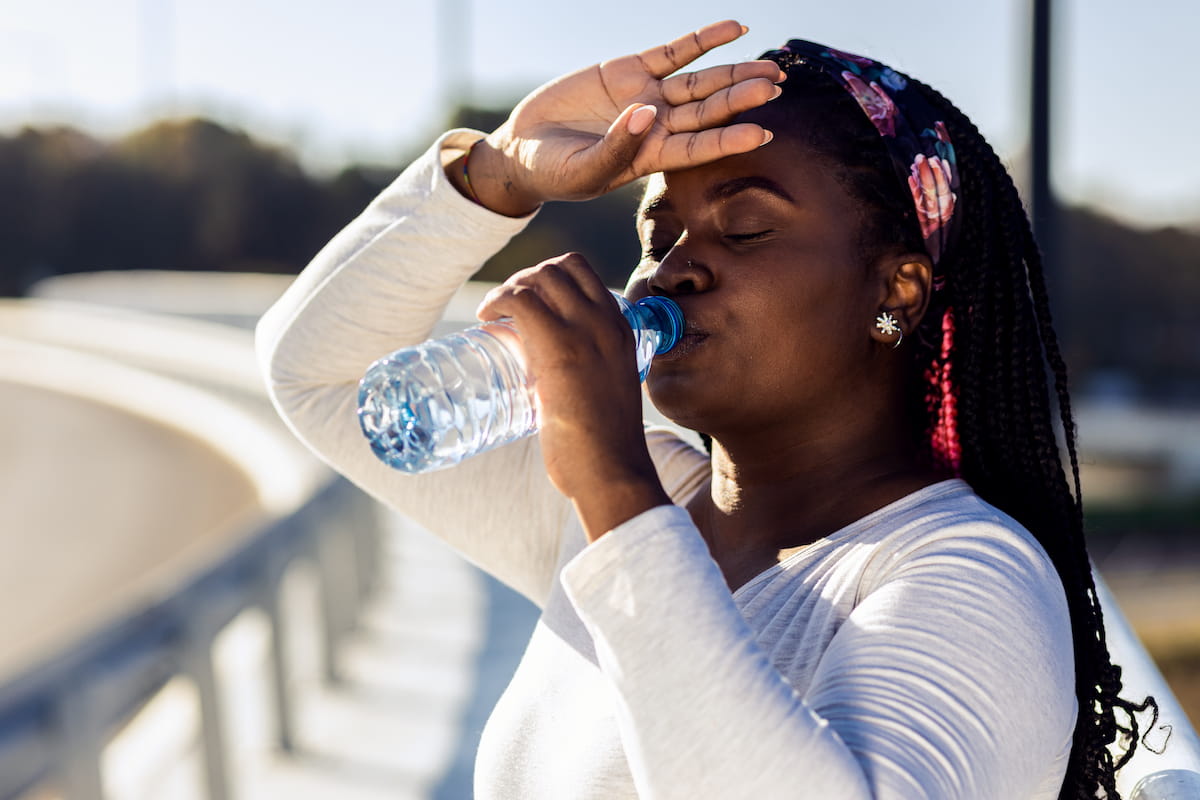
While it can happen at any time, dehydration – not having enough fluid in your body – occurs more often when temperatures increase during the summer months. As much of the nation gets ready to enter its hottest time of the year, the experts at NurseWise, a national multilingual nurse triage and health education provider, are pleased to share information about dehydration and who’s most at risk.
“Most people don’t realize they are dehydrated until it’s too late,” says Kim Tuck, RN, President and Chief Executive Officer of NurseWise. “Both our bodies and minds need fluids to properly function. When fluid levels become too low, some of the first symptoms you may experience are cramps, dizziness, headache, vomiting or disorientation. To stay hydrated, drink plenty of liquids every day, particularly if it’s hot outside.”
The signs and symptoms of dehydration range from minor to severe and include:
If your urine is concentrated and deeply yellow or amber, you may be dehydrated.
The following groups are at an increased risk of dehydration. If this includes you or someone you care for, drink plenty of fluids for optimal health!
RELATED: Should You Drink Stacked Water for Better Hydration?
While anyone can suffer from dehydration, certain populations face a higher statistical risk due to biological, environmental, or lifestyle factors.
Little ones are the most susceptible to dehydration. The smaller you are, the more quickly you sweat out water and important minerals like electrolytes.
Infants and children are also more prone to diarrhea and vomiting, which can cause the body to lose liquids more quickly.
Watch for these red flags: A child who seems significantly less active or more lethargic than usual, a lack of wet diapers for three hours or more, or crying without shedding tears.
The older we get, the more difficult it is for our bodies to retain fluids and adapt to temperature changes.
We also tend to take more medications and eat less as we age, which increases the risk of dehydration.
Keep water handy and drink before you are thirsty to keep symptoms at bay.
RELATED: 8 Tips For Handling Diabetes In The Summer Heat
Those with chronic conditions such as uncontrolled diabetes, kidney disease and heart failure may be at risk of dehydration.
Even the common cold, a fever or the flu can cause fluid levels to go too low.
Make sure you’re drinking plenty of water if you are taking any medication or aren’t feeling well.
As your body tries to adjust to the higher elevation, you urinate more and breathe heavier, increasing your risk of dehydration. The higher you go, the more dehydrated you can become.
To make sure you aren’t at risk, bring double the amount of water you think you’ll need.
Don’t let dehydration ruin your day in the sun! If you are in the heat for extended periods, make sure you drink more fluids than you sweat out.
If you don’t, you have a greater chance of suffering heat exhaustion, heat stroke, seizures, coma, and even death. Munch on ice cubes or swig H2O or an electrolyte-rich sports drink every 15 minutes to keep yourself feeling in top shape.
Don’t let dehydration ruin your summer plans. By staying proactive, recognizing early warning signs, and ensuring those in your care—including children, elderly family members, and pets—drink plenty of fluids, you can enjoy the sunshine while keeping your health in check. Remember that hydration is not just about water consumption; it is about maintaining a balance that supports every system in your body.
As you head into the warmer months, consider making hydration a visible part of your daily routine. Carry a reusable water bottle, set reminders on your phone, and monitor your urine color throughout the day. By treating hydration as a primary health goal rather than an afterthought, you can navigate the heat with confidence and resilience.
RELATED: Signs It’s Time to Talk to Your Doctor About Dehydration
While mild dehydration can often be corrected by sipping water or electrolyte drinks in a cool environment, severe cases require immediate professional medical intervention. Dehydration can progress rapidly, and delaying treatment can lead to serious, life-threatening complications like heat stroke or organ failure.
Seek emergency medical care if you or someone else experiences the following:
If you are managing a chronic health condition or taking daily medications, it is wise to speak with your primary care provider before the heat of the season hits to determine a personalized hydration plan that works for your specific needs. When in doubt, prioritize safety—it is always better to seek medical guidance early than to risk the consequences of severe dehydration.


By subscribing, you consent to receive emails from BlackDoctor.com. You may unsubscribe at any time. Privacy Policy & Terms of Service.