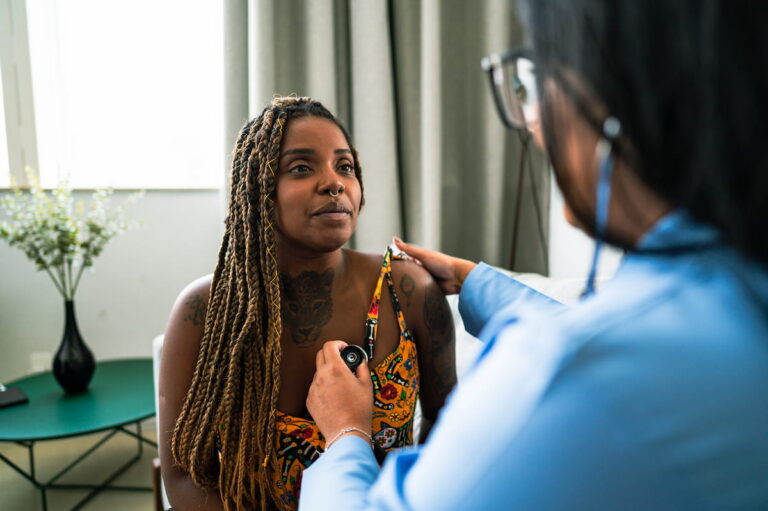
Blood clots are made of proteins, platelets, and other cells in the blood that thicken and stick together. When you cut yourself, a blood clot forms over the injury. This stops the bleeding and helps the wound to heal. Once the injury heals, your body usually dissolves the clot.
Blood clots can also form inside the body when blood vessels are injured or damaged. These clots can block blood flow to important organs like the heart, brain, and lungs, which can cause serious health problems.
When they form unnecessarily, they can lead to conditions like deep vein thrombosis, stroke, or heart attack.
Deep vein thrombosis (DVT) is a blood clot that forms in a vein deep in the body. It can break loose and cause a serious problem in the lungs, called a pulmonary embolism.
Pulmonary embolism is a clot within the lungs that blocks blood flow to areas of the lung, sometimes making it difficult to breathe. Pulmonary embolism is a very dangerous condition. It can damage the lungs and other organs in the body and even cause death.
It’s important to note that blood clots can form in various parts of the body, including the veins, arteries, and heart. Blood clots, also known as thrombi, form when blood components clump together and solidify. This process, called coagulation, occurs in response to various triggers:
1. Injury to Blood Vessels: When a blood vessel is damaged, platelets (cells involved in clotting) release signals that activate clotting factors. These factors convert fibrinogen, a protein in the blood, into fibrin threads that form a mesh-like network.
2. Stasis of Blood Flow: Prolonged inactivity or reduced blood flow can lead to the accumulation of platelets and clotting factors, increasing the risk of clot formation.
3. Certain Medical Conditions: Conditions such as heart disease, cancer, and autoimmune disorders can disrupt the normal clotting process and increase clot susceptibility.
4. Medications: Some medications, such as hormonal contraceptives and chemotherapy drugs, can alter clotting mechanisms and promote clot formation.
5. Genetic Factors: Inherited clotting disorders can increase the risk of developing blood clots.
You may think blood clot symptoms are easy to spot, especially on your skin. But you’d be surprised by the number of symptoms that go unnoticed causing a late–and sometimes more dangerous–diagnosis. Blood clot symptoms will vary based on where the clot is located. Many symptoms of blood clots are the same as symptoms of other conditions. Plus, you can have a clot and not experience any noticeable symptoms.
If you have a clot in your arms or legs, it could be a deep vein thrombosis. You might experience:
A clot in the lungs (pulmonary embolism) can cause symptoms such as:
Blood clots can also form in the blood vessels inside the abdomen.

Fortunately, certain foods contain natural compounds that support healthy circulation, reduce inflammation, and keep blood platelets from clumping together too easily. Here are five foods that may help prevent blood clots, why they work, and simple ways to include them in your daily diet.
Why it works:
Fatty fish are rich in omega-3 fatty acids, which help thin the blood naturally and reduce platelet aggregation. They also lower triglyceride levels and improve overall heart health.
How to use it effectively:
Grill or bake salmon for dinner twice a week.
Add canned sardines or mackerel to salads or whole-grain crackers for a quick snack.
Blend smoked salmon into a morning omelet or wrap.
Why it works:
Garlic contains sulfur compounds like allicin that reduce platelet stickiness and support better blood flow. Studies show garlic can act as a mild natural blood thinner.
How to use it effectively:
Use fresh, raw garlic in salad dressings or dips.
Sauté garlic in olive oil as a base for vegetables, soups, or pasta sauces.
Roast whole garlic cloves and spread them on whole-grain bread.
Why it works:
Turmeric’s active compound, curcumin, has strong anti-inflammatory and anticoagulant properties. It helps reduce clot formation by blocking clotting factors in the blood.
How to use it effectively:
Sprinkle turmeric into curries, soups, and stir-fries.
Blend it into smoothies with ginger and pineapple.
Sip on a “golden milk” latte made with warm almond milk, turmeric, and honey.
Why it works:
These greens are high in antioxidants and natural nitrates, which improve blood vessel function and circulation. They also contain compounds that may help regulate clotting, though balance is important since vitamin K can interact with blood-thinning medications (consult your doctor if you’re on such medicines).
How to use it effectively:
Toss spinach or kale into morning smoothies.
Make a hearty kale salad with olive oil, lemon, and nuts.
Sauté Swiss chard with garlic as a side dish.
Why it works:
Berries are packed with flavonoids and antioxidants that protect blood vessels, reduce inflammation, and decrease platelet activity. They also support healthy blood pressure, lowering clot risks.
How to use it effectively:
Add a handful of berries to oatmeal or yogurt.
Blend into smoothies with spinach and almond milk.
Snack on fresh berries or sprinkle them on a salad for a touch of sweetness.
Important note: If you are on prescription blood thinners (like warfarin), always consult your doctor before making major changes to your diet, as certain foods can interact with your medication.
Remember, incorporating these foods into your meals can be a simple yet powerful way to support circulation and reduce your risk of harmful blood clots. Pair them with other healthy habits—like regular exercise, hydration, and limiting processed foods—for maximum benefit.


By subscribing, you consent to receive emails from BlackDoctor.com. You may unsubscribe at any time. Privacy Policy & Terms of Service.