Braids, twists, wigs, and sew-ins can all help to protect your natural hair while also retaining length. However, wearing them for too long or not caring for your hair properly can cause damage. Recognizing when it’s time to remove your style will help you avoid breakage and scalp concerns and keep your hair in good condition. Here’s a guide on determining when to remove your protective style and after-care tips.
Your body frequently sends signals when a protective style has run its course. Paying attention to these physical cues can help you determine when it’s time for a change.
An itchy, irritated, or inflamed scalp is one of the first indications that a protective style needs to be removed. If you’re experiencing excessive itching, flaking, or redness that won’t go away with scalp sprays or oils, it’s probably time to remove it. Prolonged irritation can cause dandruff, scalp inflammation, and even traction alopecia if not treated.
If your hair becomes excessively dry, brittle, or tangled at the roots, it may be a sign that the style has outlasted its welcome. Protective styles frequently trap moisture near the scalp but can cause dryness along the strands. You may also notice shedding when gently tugging on your roots, which is normal but should not be excessive.
When your style appears less tidy and takes continuous upkeep to be acceptable, it may be time to take it down. Frizzing, loosening at the edges, and extensions slipping out are all signs that your style has weakened. Leaving a style on for too long might make it difficult to remove without damaging your natural hair, owing to matting and tangling.
RELATED: 5 Ways Your “Protective Style” is Damaging Your Hair
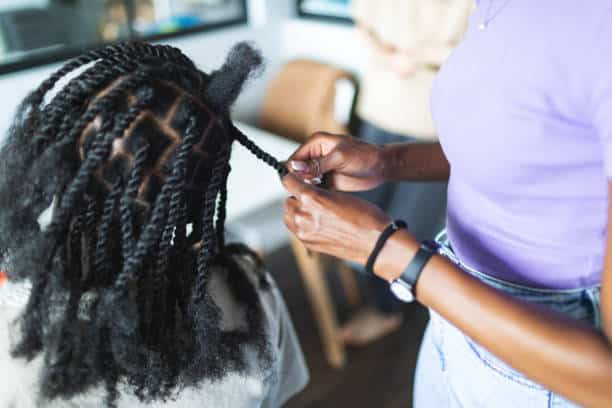
The lifespan of a protective style varies depending on the type of style and your unique hair needs. Knowing when certain styles should be removed can help prevent common issues.
While each person’s hair reacts differently to styles, general timelines can help determine when a style might be nearing the end of its lifespan:
The type of extensions you use, such as synthetic or human hair, can also impact how long you should keep a style in place. Synthetic extensions may tangle more quickly, while human hair is generally more durable but can still show signs of wear after a few weeks. Also, consider if the installation method puts additional tension on your scalp or edges, as this may require earlier removal.
Seasons can also impact how long protective styles last. In warmer months, styles may need to be removed sooner due to increased sweating and oil production, which can lead to buildup. Conversely, in colder months, protective styles may last longer since there’s typically less sweat, but dry winter air may lead to dryness in both your hair and scalp.
RELATED: Helpful or Harmful? The Truth About “Protective” Hairstyles

Some warning signs may indicate that your protective style needs to come out as soon as possible, rather than following a planned schedule.
If you notice intense scalp pain, small bumps around your hairline (also known as folliculitis), or significant hair loss at your roots, removing the style immediately is important. These symptoms can indicate that the style is too tight or that your scalp reacts to the products or techniques used.
Proper removal is essential to avoid damaging your hair. Start by detangling any loose or frizzy sections before fully taking down the style. Use a detangling spray or conditioner to help ease out the style, working in small sections and taking breaks if needed. Rushing the removal process can lead to breakage, especially if your hair is tangled.
If you’re unsure about removing your style on your own or encountering excessive matting, seeking a professional’s assistance can help ensure the process is safe and minimizes hair loss. Stylists can provide additional care, such as conditioning treatments, and recommend after-care products to support scalp and hair health.
Once your protective style is removed, giving your scalp and hair some TLC to replenish moisture, prevent breakage, and support hair growth is important.
After a long-term style, your scalp might need some time to recover. Start with a gentle shampoo that removes buildup and a soothing scalp treatment with essential oils like tea tree, peppermint, or rosemary to promote circulation and soothe any irritation. Scalp massages can also help restore circulation and relieve tension from the style.
Your hair will benefit from deep conditioning to restore moisture and prevent breakage. Look for a hydrating mask or a protein treatment if your hair feels weak or brittle. Applying leave-in conditioners or oils to seal in moisture will keep your hair manageable and healthy until your next style.
Before reinstalling a protective style, give your hair a break for at least a week to allow your scalp and strands to breathe. Use this time to moisturize, trim if needed, and evaluate your hair’s health. Regular trims can prevent split ends, and consistent moisture will help you achieve the best results with your next style.
Protective styles are great for giving your natural hair a break, but it’s essential to know when it’s time to remove them. Paying attention to your scalp, hair health, and style integrity, and following general guidelines for each style can help you avoid damage. Proper removal techniques and after-care will ensure your hair stays strong, moisturized, and ready for your next protective style. Remember to listen to your scalp and hair’s needs to keep them healthy and beautiful.


By subscribing, you consent to receive emails from BlackDoctor.com. You may unsubscribe at any time. Privacy Policy & Terms of Service.