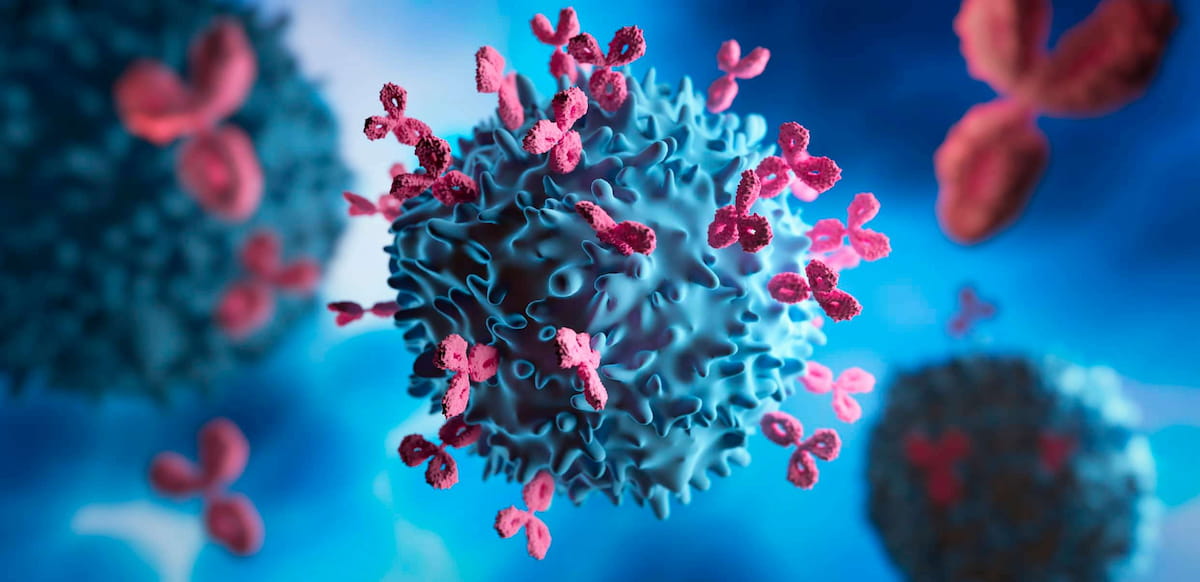
As 2026 approaches, many of us have high hopes. Whether it be for our finances, our family, or even in our relationships, the new year brings a certain level of hope for the future. But to enjoy any of the things we hope for, we need to be healthy. Health experts are warning of several conditions that may hinder our hopes of a health-filled year. Some see higher activity due to climate change, global travel, food supply pressures, and shifting viral patterns. While not all outbreaks will impact every community the same way, understanding what’s emerging—and how to prepare—can help you keep your family safe and healthy.
Here are the diseases to watch closely in 2026, plus practical, evidence-based ways to reduce your risk.
6 Diseases to Watch Out for in 2026
1. Respiratory Viruses: Covid Variants, RSV, and Flu
Why You Need to Watch:
New COVID-19 variants continue to circulate globally, with some showing increased transmissibility.
RSV (Respiratory Syncytial Virus) has become more unpredictable since the pandemic and may cause surges outside traditional seasons.
Influenza remains a top cause of winter hospitalizations; seasonal strains change yearly.
Stay up-to-date on recommended vaccinations for flu, COVID-19, and RSV (for older adults and infants).
Improve indoor ventilation—open windows, use HEPA filters, and avoid crowded poorly ventilated spaces during peaks.
Keep hand sanitizer accessible and practice regular handwashing.
Risk-Lowering Tips:
Boost immunity with regular sleep, balanced diet, and daily movement.
Stay home when sick to avoid spreading illness to vulnerable family members.
2. Norovirus and Foodborne Illness Spikes
Why You Need to Watch:
Experts anticipate an elevated norovirus season in 2026, driven by viral mutations and inconsistent food-handling conditions. Other bacterial illnesses like salmonella, listeria, and E. coli may also rise as supply chains become increasingly global.
Aim for a diet centered on vegetables, whole grains, lean proteins, and healthy fats.
Keep sugary drinks and late-night snacking to a minimum.
Schedule annual physicals and blood panels for early detection.
Teach children simple breathing exercises and mindfulness.
Risk-Lowering Tips
Create family wellness challenges: step goals, smoothie weeks, or sleep-tracking nights.
Normalize mental health check-ins the same way you discuss physical health.
6. Tick-Borne Diseases: Lyme and Alpha-Gal Syndrome
What You Need to Watch:
Ticks are expanding into new regions due to warmer winters. In 2026, Lyme disease cases and alpha-gal syndrome (a tick-induced red-meat allergy) may rise.
How to Protect Yourself:
Wear long clothing when hiking or doing yard work.
Use tick repellents.
Shower immediately after outdoor activity.
Do full-body tick checks, especially on children.
Risk-Lowering Tips
Keep grass cut low and remove leaf piles around your home.
Treat pets with veterinarian-approved tick preventatives.
5 Health Priorities to Protect Your Family in 2026
In order to have one of your healthiest years ever, there are some things you need to prioritize.
1. Prioritize Preventive Care
Stay current on adult and child vaccinations.
Schedule annual health screenings.
2. Build Strong Household Hygiene
Regular handwashing routines
Disinfect high-touch surfaces
Use separate towels, toothbrush holders, and personal items
3. Maintain a Healthy Home Environment
Improve ventilation
Reduce clutter that traps dust and allergens
Use air purifiers if needed
4. Strengthen Immunity With Lifestyle Choices
Sleep 7–9 hours
Eat a nutrient-rich diet
Manage stress intentionally
Exercise consistently
5. Stay Informed
Follow trusted health sources (CDC, local health departments, BlackDoctor.org).
Sign up for health alerts in your state or community.
BlackDoctor is the world’s largest and most comprehensive online health resource specifically for the Black community. BlackDoctor understands that the uniqueness of Black culture - our heritage and our traditions - plays a role in our health. BlackDoctor gives you access to innovative new approaches to the health information you need in everyday language so you can break through the disparities, gain control and live your life to its fullest.
✦ AI Search Disclaimer This AI-powered search tool helps you find relevant health articles from the BlackDoctor.org archive. Please keep the following in mind:
✦ For Informational Purposes Only The information provided through this AI search is for general educational and informational purposes only. It is not intended as a substitute for professional medical advice, diagnosis, or treatment.
✦ Always Consult a Healthcare Provider Never disregard professional medical advice or delay seeking it because of something you have read through this search tool. If you have a medical emergency, call your doctor or 911 immediately.
✦ AI Limitations This search tool uses artificial intelligence to help match your queries with articles in our archive. While we strive for accuracy, AI-generated results may occasionally be incomplete, outdated, or not fully relevant to your specific situation.
✦ No Doctor-Patient Relationship Using this search tool does not create a doctor-patient relationship between you and BlackDoctor.org or any healthcare provider.
Explore over 35,000 articles and videos across black health, wellness, lifestyle and culture