When you least expect it, the muscle cramp strikes.
Sometimes, the cause is clear. You’re working out, you’re dehydrated, and you do something sudden that triggers the event. Other times, however, it truly does come out of nowhere. Whether you’re asleep at night, going for an easy walk, or really pushing your body, involuntary muscle contractions are never fun!
For individuals battling chronic myeloid leukemia (CML), muscle cramps are particularly challenging. This occurs because both the disease itself and the treatment can cause disruptions in normal muscle function.
So, let’s get right down to it.
It doesn’t matter if the problem is a minor muscle spasm or a full-blown muscle lock-up; there are always ways to get relief.
Here are six effective methods to work out those muscle cramps once and for all…
RELATED: 7 Surprising Health Benefits of Magnesium
Magnesium plays a pivotal role in muscle relaxation, as deficiencies in this essential mineral often lead to muscle issues. The reason for this is multifold. Firstly, magnesium works by blocking calcium in your body from binding to known muscle contractors – proteins like troponin C and myosin.
Magnesium also reduces the buildup of something called lactic acid, which many athletes can tell you about. If you’ve ever sprinted all out for an extended period, you already know how much this acid can affect you!
Finally, magnesium helps with muscle mass, strength, and recovery.
So take advantage of magnesium. If you have CML, definitely look into magnesium supplements, as metabolic changes and medications can lead to a depletion in your magnesium levels.
One way to do this is through magnesium sulfate, which is found in Epsom salt. Because this salt is easily absorbed through the skin, nothing’s better than taking a nice warm soak.
Just fill your tub with warm water – but not too warm – and add two cups of Epsom salt, stirring until it’s dissolved. Enjoy a nice bath for ~20 minutes and repeat multiple times per week or day, as needed.
Basically, Transcutaneous Electrical Nerve Stimulation (TENS) therapy uses low-voltage electrical impulses to stimulate your nerves. This, in turn, can help improve blood circulation, which ultimately relieves muscle cramps and pains. Not to mention, TENS additionally blocks pain signals, contributing to immediate relief.
If you have chronic muscle cramping due to CML, TENS is a great drug-free approach to treating your issue.
To begin, apply the TENS unit electrode pads to wherever you’re experiencing cramping. Put it on a low-intensity setting and slowly increase if you need more. Do this for ~20 minutes and repeat throughout the day.
The good thing about TENS is that most of these units are very handy, meaning you can take them with you to work, the gym, or anywhere else. With a portable TENS device, you’ll never be far away from muscle relief!
You’ve probably heard of acupuncture, but acupressure is a little different. Basically, this approach applies firm, direct pressure to problematic muscle points near the source of your pain. This helps to release tightness and restore normal function.
Through its nervous system stimulation, acupressure can help with circulation, allowing your muscles to relax naturally.
Before getting started, make sure you identify the precise area of cramping. Then you have to find the trigger point. The ‘trigger point’ is simply the tightest or most painful area of the cramping muscle.
Once you’ve targeted this point, apply pressure firmly with your thumb or knuckles for 30 seconds. Slowly up the pressure, breathing deeply as you do. Then, release and repeat as needed.
If you’re experiencing leg cramps, the best area to apply pressure is the center of your calf muscle or right below the knee. This should help get you relief as soon as possible.

Heat is always good for cramping muscles because it can allow them to naturally relax and expand, thereby boosting blood flow to the affected area. If you have CML-related cramps, this improvement in circulation can be a game-changer.
It’s a very simple technique. All you need to do is grab a heating pad or a warm towel. Just apply it to the affected area for ~15 minutes and gently stretch and massage your muscle as it relaxes. Repeat this multiple times per day, especially before and after exercise.
If you don’t have a heating pad, a warm rice sock is also very useful. Sound strange? Basically, you can make one by filling a sock with uncooked rice and then microwaving it for 30 seconds.
The reason rice socks are so helpful is that they offer moist heat, which can get further into your muscles for relief. Not to mention, rice socks easily mold to your body so you can really target that cramping area.
Definitely worth the effort!
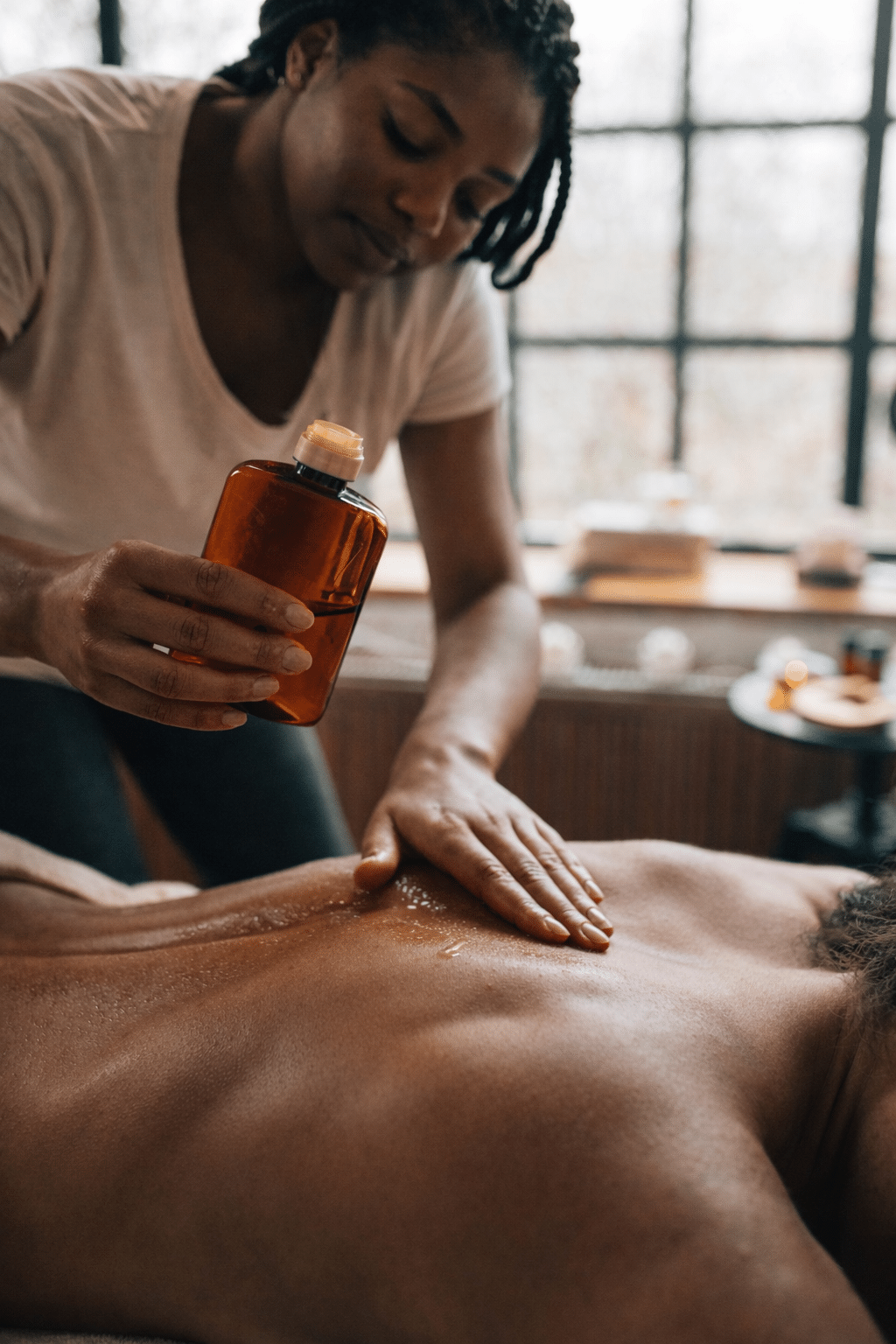
This fancy massage name simply refers to a light, rhythmic massage technique known to ease muscle tension, boost circulation, and prevent cramping. This method is different from deep muscle massage, as it focuses on longer, more soothing strokes for immediate relief.
When getting started, first grab a small amount of oil or lotion and apply it to the cramping area. Using your palms, make those long, sweeping strokes along the full length of the muscle. It’s important to apply pressure, but not too much. Keep it gentle, and gradually increase it as the muscle relaxes.
Do this for 10 minutes until the cramp is worked out. If you’d like to further ‘spice’ it up, opt for essential oils like lavender or peppermint to increase the relaxation and anti-pain effects.
When we talk about ‘trigger points,’ what we’re really talking about are those knots in your muscle that cause the most pain. These areas, often small, are super irritable and can easily lead to bad cramping if untreated.
To perform trigger point therapy, begin by applying direct pressure to these points. Just make sure you’ve properly identified the right area because if you miss it, your cramping may persist or worsen.
Look for the tightest spot in your muscle, and from there, use a lacrosse ball, foam roller, or your own handy fingers to directly address the spot. Keep the pressure firm and steady for up to one minute.
When the muscle starts relaxing, take a break, and repeat later as needed. For preventative care, consider using a foam roller along your calves and thighs routinely. This can break up knots and prevent future cramps.
Aside from these six methods for cramp relief, make sure you cover the basics. Always stay hydrated, drinking electrolyte mixes when you can. Stretch regularly, and even look into yoga if you’d like to enjoy physical and mental health benefits.
If you’re a person who cramps often, examine your diet. Are you getting enough magnesium and potassium? These are vital, so make sure you’re eating foods like spinach, nuts, avocados, and bananas.
And finally, if you’re still struggling with bad cramps and don’t have a specific medical condition to point to, look at your exercise. Firstly, are you exercising? If you are, good, but remember: too much of a good thing can be a bad thing.
Avoid overexertion, and take breaks when you need them.
By following the steps in this article, you’ll be well on your way to a healthier, cramp-free life!


By subscribing, you consent to receive emails from BlackDoctor.com. You may unsubscribe at any time. Privacy Policy & Terms of Service.