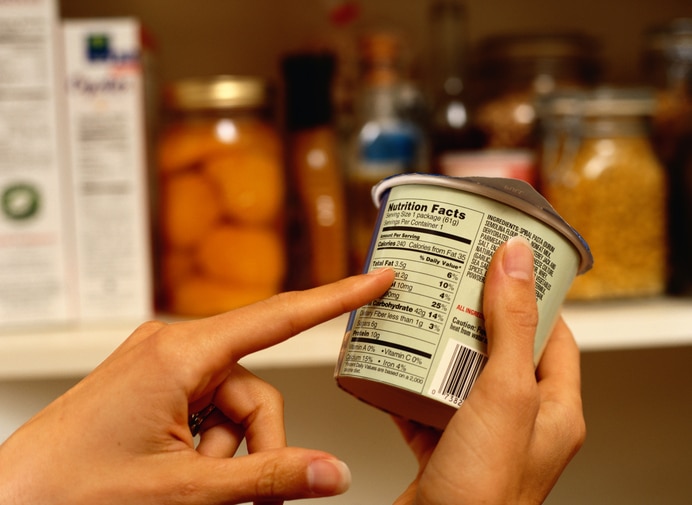
Remember when the word “natural” actually meant something? It used to mean pure, unaltered by human hands and food that came from nature. But as money came into the picture for big food companies, they leaned more towards quantity over quality and the true meaning of “natural” got lost.
Today, it seems like “natural” is simply just a word that’s slapped on products to make them sound more appealing to the masses.
Did you know that natural labels are not actually regulated by anyone? “Natural” products can contain:
– GMOs
– Toxic pesticides and herbicides
– Growth Hormones
– Antibiotics
The official definition of natural flavor under the Code of Federal Regulations is: “the essential oil, oleoresin, essence or extractive, protein hydrolysate, distillate, or any product of roasting, heating or enzymolysis, which contains the flavoring constituents derived from a spice, fruit or fruit juice, vegetable or vegetable juice, edible yeast, herb, bark, bud, root, leaf or similar plant material, meat, animalsseafood, poultry, eggs, dairy products, or fermentation products thereof, whose significant function in food is flavoring rather than nutritional” (21CFR101.22).
According to research from Organics, here are nine not-so-natural ingredients we eat daily.
1. Coal tar
Processed foods contain many different types of dyes to change their colors to something that is “more appealing” to your eyes. Tartrazine is a dye derived from coal tar. This industrial waste-derived food coloring, also known as yellow #5, has been linked to hyperactivity in children. Coal tar is often used for pavement sealcoats, medicated shampoos and now as an ingredient in our food. According to the International Agency for Research on Cancer, mixtures that contain more than 5% crude coal are considered a group 1 carcinogens.
Foods that Contain Coal Tar:
Kraft Macaroni and Cheese, Candy (Butterfinger, Lollipops, M&Ms, Starburst, Smarties, Pez, Sweet Hearts, gummy bears and almost all other colored candies), Colored Marshmallows, Fruit Snacks (Fruit roll-ups, Gushers, Twistables, etc), Skim Milk, Yogurt, Butter, Orange Colored Cheeses, Pickles, Orange Colored Snacks (Doritos, Cheetos, etc), Gelatin/Pudding, Mountain Dew, and MANY more products.
2. Beaver Anal Glands
Do you enjoy strawberry, raspberry, or vanilla ice cream? Then you may be secretly “enjoying” beaver anal glands, better known as “beaver butt.” This FDA approved food additive, is labeled as a “natural flavor”. The real name for the additive is Castoreum, which originates from female and male castor sacs. So apparently, beaver butt has a raspberry taste to it. It’s one of the most common “natural ingredient” in raspberry flavored goodies. Due to the tricky labeling, you’d never suspect a thing.
Foods that Contain Castoreum:
Raspberry flavored candy, strawberry/vanilla / raspberry ice-cream. It’s also used in alcoholic beverages, baked goods, gelatin, pudding, soft candy, frozen dairy, hard candy and chewing gum.
3. Boiled Beetles
Do you enjoy an occasional meal of beetle bugs? If you eat processed foods, your answer should be yes! Crushed, boiled or dried beetle, eggs or wings of beetles produce beetle juice, which is then used as food coloring. It’s also referred to in food coloring as Carmine. Purple, pink, orange and red food coloring can all be derived from this insect. This insect-based food coloring has known to produce allergic reactions in some people. But hey, look on the bright side, bugs are low in carbs and gluten-free.
Foods that Contain Carmine:
Skittles, ice-cream, yogurt, candy, waffles, Good n’ Plenty, lemonade, and grapefruit juice.
4. Sheep Secretions
The gross, strange smelling and greasy substance that moms (who are breast feeding) smear on their breasts is called Lanolin. Lanolin is basically secretions from a sheep. This oily substance comes from the inside of the sheep’s wool. If you ever chewed some gum, you’ve probably tasted this “delightful” additive. It’s listed as “gum base”.
Foods that Contain Lanolin:
Gum, Vitamin D3 Supplements.
5. Human Hair
Yes, you read that right. Many food and large-scale baking companies use L-cysteine as a food additive. This amino acid extends the shelf life of products like bread. It is usually found in cow horns, chicken and duck feathers. Unfortunately, most of the L-cysteine that is used in food does not come from any of those ingredients. It comes from China, where it’s harvested from human hair found in barbershops and hair salons. Buy freshly baked bread from your baker and as if you needed more reasons to steer clear of fast food restaurants, this may do it.
Foods that Contain L-cysteine:
Commercial bread products.
6.Borax
Some of you may not be old enough, but Borax used to be an abrasive cleaner much like Comet. Borax is an additive known for its preservative and acidity control qualities. It’s also known as E285. This ingredient has been banned from the U.S. and Canada but is still present in EU. Borax is still used in household cleaning and laundry products, pottery and as a fire-retardant. There have been warnings that high consumption of this additive over 5-10 can cause cancer.
Foods that Contain Borax:
Caviar, Asian Noodles, Rice Dishes, and Bakso (meatballs).
7. Silicone Dioxide
Sand is hidden in a few chili recipes as a name you might remember from high school chemistry class: silicon dioxide. Apparently, many use sand as an “anti-caking agent,” perhaps to make sure the chili can last for days and days. It has been associated with rheumatoid arthritis, small vessel vasculitis, and some autoimmune diseases.
Food that Contain Silicone Dioxide:
Chili, Soups


By subscribing, you consent to receive emails from BlackDoctor.com. You may unsubscribe at any time. Privacy Policy & Terms of Service.