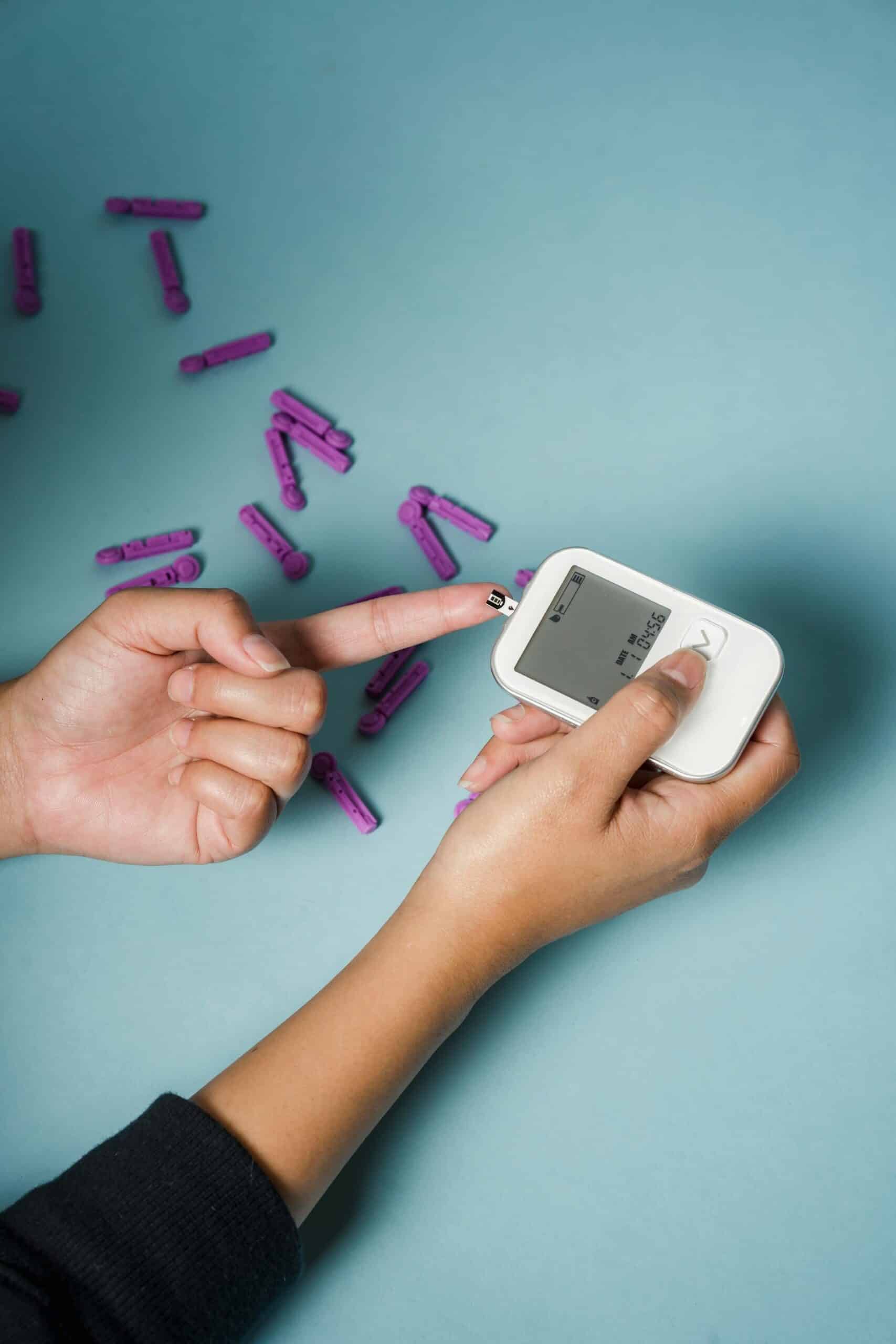
If you have diabetes, or prediabetes, achieving target blood sugar levels will not only help you feel better but also reduce your risk of adverse complications such as infection, heart disease and kidney failure. Here are seven healthy ways that you can lower blood sugars and improve your health. These tips are also effective if you want to reduce your risk of developing diabetes.
Decrease Carbohydrate Intake
Carbs play a big role if you’re trying to lower your blood sugars. There are three main types of carbohydrates: starches, sugars (refined carbohydrates) and fiber. Refined carbs are things like white bread and sugar-sweetened drinks that tend to cause spikes in blood sugar.
Instead choose whole unprocessed foods over processed foods and eat non starchy foods.
Low carbohydrate diets (less than 130 grams per day) have been shown to lead to reversal of diabetes.

Increase Fiber Intake
Dietary fiber is the part of plant foods which your body can’t digest or absorb. Even though it’s considered a carbohydrate, soluble fiber does not raise blood sugars because it’s not absorbed. It slows carbohydrate digestion and sugar absorption, so blood sugars do not spike as high but rather gradually increase.
According to the Institute of Medicine, the daily fiber for men is 30 to 38 grams and 21 to 25 grams for women. Good sources of fiber are whole grain products, fruits, vegetables, beans, legumes, nuts and seeds. To increase the fiber in your diet, start your day off with having a high fiber breakfast cereal with at least five grams of fiber and at least 5 servings of fruit and vegetables. Meals later in the day can include beans and legumes.
Drink More Water
Drinking water can help control blood glucose levels. When blood sugars are elevated, the kidneys try to remove the excess glucose in the urine. Drinking water helps the glucose to be flushed out of the blood and rehydrates the body. It’s recommended that women have eight, 200 ml glasses per day and men around 10, 200 ml glasses per day. Avoid flavored waters or sweetened sparkling water as some of these contain high amounts of sugar. Plain water is best.
Reduce Stress Levels
Have you ever noticed that your blood sugars spike when you’re upset? This is because stress can raise your blood glucose levels. Stressful situations such as infections, serious illness or significant emotional stress causes the release of hormones such as epinephrine, cortisol and glucagon which makes your liver release more glucose and your body tissues to be less sensitive to insulin. Exercise and relaxation techniques such as yoga or mindfulness meditation can lower blood sugars and improve insulin secretion in chronic diabetes.

Get Enough Sleep
When you don’t get enough sleep, less insulin is released from your pancreas after you eat. Your body also makes more cortisol which promotes weight gain and reduces insulin sensitivity. The overall effect is an increase in blood sugars. These effects can be reversed if the lack of sleep was only for a few days. It is recommended that adults have seven to eight hours of sleep daily.
Get Moving
Exercise lowers glucose levels by reducing insulin resistance and increases uptake of glucose by your muscles. Even if you don’t lose weight, regular exercise can lower your Hemoglobin A1c (3-month average blood sugar) by 0.7%. The goal amount of exercise is at least 150 minutes per week (2.5 hours). You can break this up in small segments to make it more manageable. Combining aerobic and resistance is better at lowering blood sugars than either alone.
Weight Loss
Losing weight also reduces insulin resistance and improves blood sugars. If you have diabetes, losing just 10% of your body weight during the first five years can lead to remission. If you don’t have diabetes, a 7% reduction in body weight can decrease your risk of developing diabetes by up to 58% and this was even more effective than the most prescribed diabetes drug, metformin. These improvements in your blood sugars can be sustained over many years.

Dr. Kelly N. Wood, MD is an internal medicine physician, board-certified in Endocrinology, Diabetes, and Metabolism. Dr. Kelly is currently in clinical practice in Atlanta, Georgia.
Through a multi-dimensional platform that addresses the mind, body, and spirit, Dr. Kelly lives out her passion to help others achieve total wellness and lead a balanced life. She makes expert health and wellness advice accessible to all through speaking engagements, media appearances, her Facebook show, and personal blog (drkellywoodmd.com).
Beyond the stethoscope, Dr. Kelly is recognized as “The Bounce Back Coach,” helping high-performing women overcome past hurt to have a healthy and happy relationship. Her debut book, “Bounce Back to Better: Recovering from the Disappointment of a Failed Relationship,” walks readers through her personal journey of reconstructing her life after her engagement ended.
Please connect with Dr. Kelly at [email protected]


By subscribing, you consent to receive emails from BlackDoctor.com. You may unsubscribe at any time. Privacy Policy & Terms of Service.