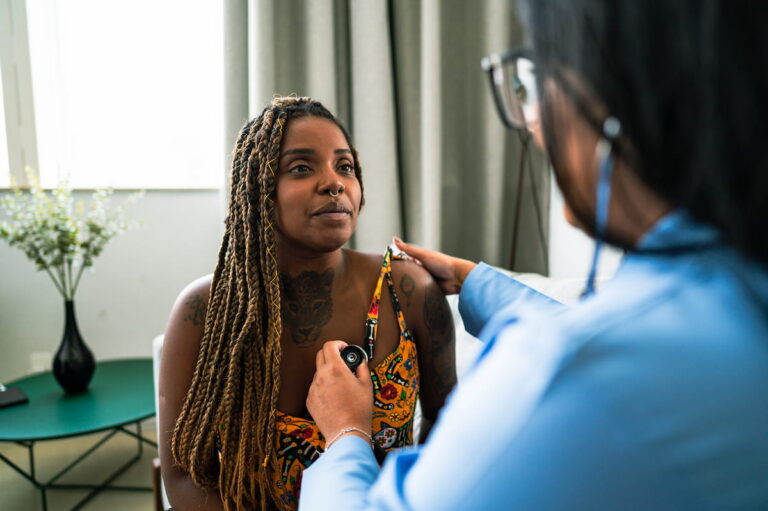
Women are vital to keeping their families healthy, yet many struggle in silence with specific health issues regarding their well-being. Women suffer from conditions that are awkward to talk about, such as autoimmune problems, incontinence, and postpartum depression.
Fibroids are one of these conditions.
Although fibroids are widespread, they are rarely talked about.
Here are seven tips to make your life easier if you have fibroids or think you might have them.
Age-related increases in the prevalence of fibroids are observed in women, with the 40s and early 50s being the most affected. Typically, fibroids reduce in size after menopause.
All women can get fibroids, but Black women are more likely to get them than other women.
More than 25 percent of Black American women are diagnosed with fibroids between the ages of 21 and 30. Black women are also diagnosed with fibroids at a younger age.
Nobody is aware of the cause of fibroids. According to research, fibroids are regulated by the hormones progesterone and estrogen and have a genetic component.
A family history of fibroids may also make you more susceptible. However, you shouldn’t ignore your symptoms just because no one in your family has fibroids.
There is a correlation between fibroids and women who consume a lot of red meat, and fibroids are more likely to form in obese women.
RELATED: Living with Fibroids: Surgery Isn’t The Only Way To Stop Them
Although many women with fibroids don’t have symptoms, those who do frequently find it challenging to cope with them. Typical signs include:
Bloating may also be brought on by a big fibroid pressing against the stomach region.
In addition to the numerous physical symptoms, people who have fibroids experience emotional effects. Many women report having problems with anxiety, sadness, poor quality of life, and unflattering body image.
Any bleeding that reduces your ability to live your life normally should be taken seriously. Other warning signs include:
It’s time to consult your doctor if you’re feeling any of these symptoms.
Usually, your doctor can feel the fibroid during a routine pelvic exam. Your doctor might order an ultrasound or other imaging tests like an MRI to check the fibroid’s position and size.
Lab procedures such as a full blood panel or other blood tests can be useful in identifying diseases brought on by fibroids.
Most women don’t need treatment because they typically don’t have symptoms. No one treatment works for everyone who needs it. It is important to explore your alternatives with your doctor because treatments might range from prescription drugs to surgery.
By definition, uterine fibroids are not malignant. In extremely uncommon circumstances, women can have leiomyosarcoma, a cancer that can harm the uterus. Fibroids do not raise your risk of getting a malignant fibroid, and doctors do not think leiomyosarcoma can result from fibroids.
Additionally, fibroids don’t seem to make other uterine tumors more likely. Postmenopausal women should consult their doctor immediately if they detect or feel any new, rapidly expanding tumors in their uterus because fibroids normally decrease after menopause.
Most fibroids-afflicted women experience routine pregnancies. The size and position of the fibroid frequently cause pregnancy issues, which can change the sort of delivery you may experience. But occasionally, the size and position of the fibroid can obstruct the embryo’s implantation.
In general, a lot of women with fibroids can become pregnant.
However, getting pregnant may be difficult if you have fibroids. In some circumstances, it’s possible that getting the fibroid removed will help women get pregnant.
Although they won’t cause death, fibroids can drastically lower a woman’s quality of life. Being a woman is not a requirement for having fibroids symptoms.
This article should have given you more confidence to seek information, ask questions, and stop suffering in silence.


By subscribing, you consent to receive emails from BlackDoctor.com. You may unsubscribe at any time. Privacy Policy & Terms of Service.