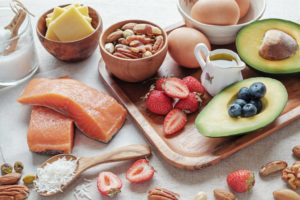
Vegetarianism is the practice of eating a plant-based diet with an increasingly or decreasingly rigid list of allowed foods, with vegan the most-narrow. Research shows that vegetarians have a lower risk of overweight, insulin resistance, metabolic syndrome, and a lower rate of type 2 diabetes than non-vegetarians.
In fact, the closer someone follows a vegan diet, the more health benefits he or she will experience. But, it is also possible to experience nutrient deficiencies. Moreover, many of these nutrient deficiencies take years to appear, and by the time they do present themselves, damage to your body has already occurred.
The following is a list of 8 essential nutrients every vegan needs to ensure optimal health and well-being.
Vitamin B12. Because B12 is found exclusively in foods of animal origin—meat, fish, eggs and dairy, vitamin B12 deficiency is one of the most common problems vegans face. A B12 deficiency can take years to develop, but once the deficiency appears, the effects can be devastating. In severe cases, a vitamin B12deficiency may result in permanent nerve or neurological damage. Vegans should take a B12 supplement daily or regularly eat B12 fortified foods.
A general recommendation for adults is 2.4 micrograms of B12 per day. Foods commonly fortified with B12 include non-dairy milk, cereals, meat substitutes, energy bars, and nutritional yeast. Eat two servings per day of foods fortified with at least 2 to 3.5 micrograms of vitamin B12 each.
Iron. Vegans tend to have less iron stored in their bodies compared to
people who eat meat. People who don’t get enough iron can develop iron-deficiency anemia. Symptoms of anemia are fatigue, a fast heartbeat, and shortness of breath during physical activity. Many vegan foods, including leafy greens, lentils, and soybeans, are abundant in iron.
Eating vitamin C-rich foods and iron-rich foods at the same time can increase iron absorption. Oranges, grapefruits, strawberries, kale, and collards are good sources of vitamin C. However, some people may have trouble obtaining adequate iron through food alone, and therefore may need to take a supplement.
Omega-3s. The three main omega-3 fatty acids are alpha-linolenic acid (ALA), eicosapentaenoic acid (EPA), and docosahexaenoic acid (DHA). ALA is found mainly in plant oils such as flaxseed, soybean, and canola oils. DHA and EPA are found in fish and other seafood. Vegans can get omega-3 from natural food sources including nuts and seeds (such as flaxseed, chia seeds, and walnuts), and fortified soy beverages. A deficiency of omega-3s can cause rough, scaly skin and a red, swollen, itchy rash.
The U.S. Food and Drug Administration recommends consuming no more than 3 g daily of EPA and DHA combined, including up to 2 g per day from dietary supplements.
Vitamin D. Vitamin D deficiency can cause bone pain and muscle weakness.
Vitamin D can be found in fortified products such as orange juice, soy and almond milk, and cereals. Vitamin D is also found in mushrooms and tofu.
There are two forms of Vitamin D in supplements (and fortified foods): D2 (ergocalciferol) and D3 (cholecalciferol). Both increase vitamin D in the blood. The recommended intake of vitamin D is 600 IUs per day.
Zinc. Zinc is essential for maintaining a healthy
immune system and healing wounds. Zinc is not stored in the body, so it is important to get enough from the diet on a daily basis. The best sources of zinc in vegan diets are whole grains, fortified breakfast cereals, legumes, beans, nuts and especially seeds. The recommended intake for zinc is 11 mg for men and 8 mg for women per day.
Iodine. An iodine deficiency can lead to decreased thyroid function and fatigue. Iodine is found in many foods that vegans do not eat such as codfish, shrimp, tuna, eggs, and milk. Seaweed and iodized salt also contain a good amount of iodine and are good vegan options. However, the amount of iodine in sea vegetables varies considerably.
Boost your iodine intake with ¼ teaspoon of iodized salt daily or take a supplement with 75 micrograms of iodine three or four times per week.
Calcium. A poorly-planned vegan diet may result in a lack of calcium. Fortunately, many green, leafy vegetables such as kale, bok choy, and turnip greens are loaded with easily absorbable calcium. Although leafy and green, calcium absorption from spinach and swiss chard is low due to their high oxalate content. Oxalates are compounds that can interfere with the absorption of calcium.
Additional calcium sources include calcium-fortified orange juice and soy milk. To meet your calcium needs on a vegan diet consume at least two cups per day of foods rich in well-absorbed calcium. Then aim to also include
beans, almond butter, soaked almonds, broccoli, kale, okra, sweet potatoes, figs, navel oranges, corn tortillas, and blackstrap molasses. These foods provide moderate amounts of calcium.
Multivitamin. Taking a daily multivitamin is advisable to ensure that essential nutrients are present in a vegan diet. While many vegans consume a variety of plant-based foods containing essential nutrients, taking a multivitamin can prevent you from falling through the cracks. Avoid buying a multivitamin that contains iron unless your doctor recommends it based on blood-work.
Taking in too much iron can be just as hazardous to your health as taking too little. Iron supplements can also cause constipation. Check with your doctor or registered dietitian nutritionist (RDN) before adding an iron supplement to your diet.
An RDN can also help you develop a healthy vegetarian eating plan that meets your needs. Click here to find an RDN near you.

Constance Brown-Riggs, is a registered dietitian, certified diabetes educator, national speaker and author of the Diabetes Guide to Enjoying Foods of the World, a convenient guide to help people with diabetes enjoy all the flavors of the world while still following a healthy meal plan. Follow Constance on social media @eatingsoulfully


By subscribing, you consent to receive emails from BlackDoctor.com. You may unsubscribe at any time. Privacy Policy & Terms of Service.