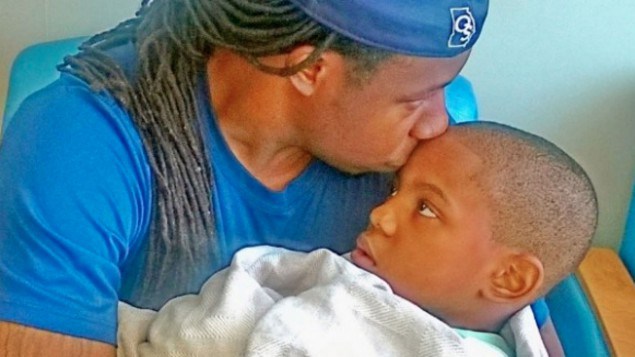
The son of former Chicago Bears running back Adrian Peterson, A.J. Peterson, has died of a rare brain cancer, the team announced. Peterson is a former NFL player, not to be confused with current Minnesota Vikings running back Adrian Peterson of the same name.
The seven-year-old A.J. was diagnosed with an inoperable brainstem tumor known as Diffuse Intrinsic Pontine Glioma (DIPG) last June, when he was six years old.
DIPG is a type of brain tumor found in the pons, part of the brainstem on the lower back of the brain, near the top of the spinal cord. DIPG primarily affects children, with most diagnoses occurring between 5 and 7 years of age. DIPG makes up 10-15% of all brain tumors in children, with about 100-150 new diagnoses per year in the United States and about 300 per year in all of North America and Europe. Unlike many other pediatric cancers, there has been little progress in improving treatments and cure rates for DIPG over the last few decades. Unfortunately, fewer than 10% of children with DIPG survive two years from diagnosis.
MUST READ: 80’s Television Child Star Diagnosed With Cancer
Peterson and his wife, Angela, said on a GoFundMe page started in June to help fund the doctor orders that doctors gave A.J. a prognosis of a five to nine percent survival rate.
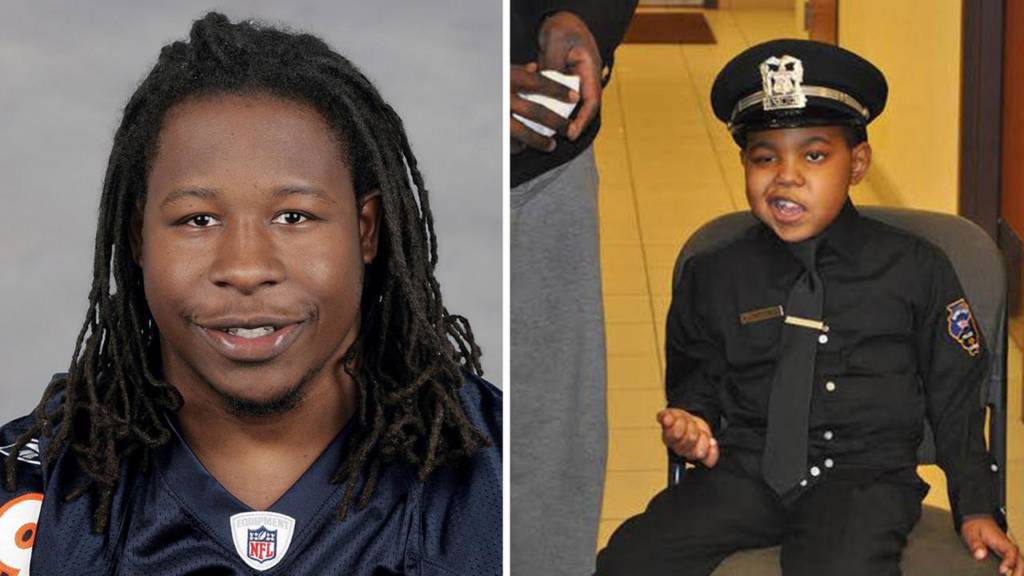
Last month, A.J. was sworn in as an honorary Round Lake Police officer in partnership with the Make-A-Wish Foundation, according to the Chicago Tribune.
AJ, who had three siblings aged five, four and 11 months, fulfilled his dream of becoming a police officer: he was sworn in by Round Lake Police Department in Illinois.
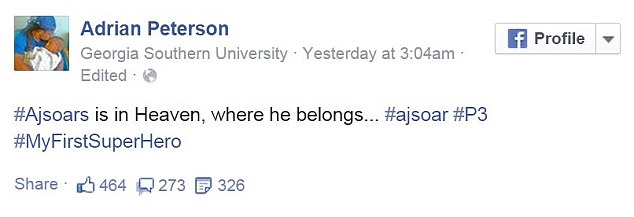
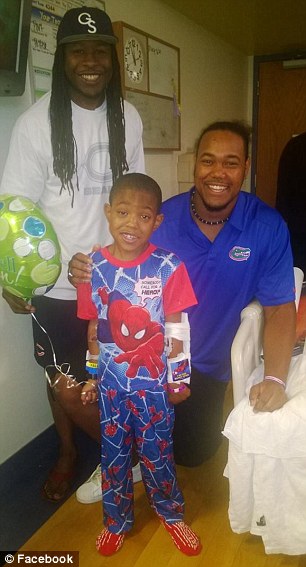
A memorial will be held for AJ near the family’s home in Kingsland, Georgia. Adrian Peterson played for the Chicago Bears from 2002 to 2009. He is now a motivational speaker.
Cancer prevention is action taken to lower the chance of getting cancer. By preventing cancer, the number of new cases of cancer in a group or population is lowered. Hopefully, this will lower the number of deaths caused by cancer.
Cancer is not a single disease but a group of related diseases. Many things in our genes, our lifestyle, and the environment around us may increase or decrease our risk of getting cancer.
Scientists are studying many different ways to help prevent cancer, including the following:
• Ways to avoid or control things known to cause cancer.
• Changes in diet and lifestyle.
• Finding precancerous conditions early. Precancerous conditions are conditions that may become cancer.
• Chemoprevention (medicines to treat a precancerous condition or to keep cancer from starting).
You can reduce the risk of getting a cancerous (malignant) tumor by:
• Eating a healthy diet
• Exercising regularly
• Limiting alcohol
• Maintaining a healthy weight
• Minimizing your exposure to radiation and toxic chemicals
• Not smoking or chewing tobacco
• Reducing sun exposure, especially if you burn easily
Cancer screenings, such as mammography and breast examination for breast cancer and colonoscopy for colon cancer, may help catch these cancers at their early stages when they are most treatable. Some people at high risk for developing certain cancers can take medication to reduce their risk.


By subscribing, you consent to receive emails from BlackDoctor.com. You may unsubscribe at any time. Privacy Policy & Terms of Service.