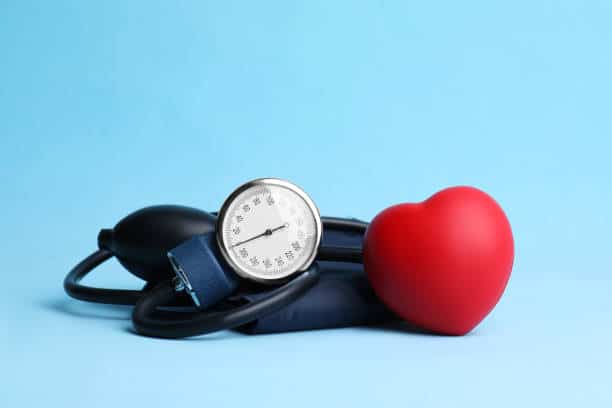
Lower your blood pressure. Get your heart rate up. Know your numbers.
When it comes to heart health, understanding all the numbers involved – and which should be up or down and when – can be confusing. But experts say it’s important to learn at least some of the basics to help maintain good cardiovascular health.
The measurements taken most often are heart rate and blood pressure, which are two different things.
“Blood pressure is the force of the blood moving through your vessels,” says Scott Collier, director of the Vascular Biology and Autonomic Studies Laboratories and a professor at Appalachian State University in Boone, North Carolina. “Heart rate is the number of times in one minute that your heart beats.”
Both measurements signal how well the heart gets blood flowing to the rest of the body, he adds.
RELATED: Is Your Heart Beating Too Fast? Here’s How To Tell
“You can tell what kind of shape you’re in by looking at your heart rate,” Collier shares. “If your heart is in really good shape, it does not have to beat as many times to get the blood flowing.”
A normal resting heart rate for most adults is between 60 and 100 beats per minute. But people who exercise may have lower heart rates, with some athletes showing resting rates as low as 40 beats per minute.
However, during exercise, heart rate goes up – as it should, he said. A person’s target heart rate during exercise varies by age, but should be 50-70 percent of their maximum rate during moderate exercise and 70-85 percent during vigorous activity. For example, a person in their 20s would aim for a heart rate of 100-170 beats per minute while exercising, whereas a person in their 50s should aim for 85-145 beats per minute.
Many exercise machines help people monitor their heart rate during a workout. So do smartwatches. Measuring heart rate before, during and after exercise can help a person make sure they are working hard enough and also monitor their overall fitness level, Collier adds.
Dr. John Flack, professor and chair of the department of internal medicine at Southern Illinois University in Springfield, said it’s important to know if a person’s heart rate – also commonly referred to as pulse rate – is consistently outside the normal range when they’re not exercising or if heartbeats are irregular. Such issues can signal problems such as atrial fibrillation, or AFib, a serious condition that if left untreated can lead to blood clots, stroke, heart failure and other complications.
“We’re entering an era of smartwatches and other wearable devices that tell you when your pulse rate is abnormal and pick up on AFib,” Flack notes. “Having an irregular pulse rate is something people need an awareness of. If it’s not regular, if it’s racing or slowing down, if they’re getting funny readings, they need to get it checked.”
RELATED: 3 Ways To Tackle Hypertension, Starting Now!
Blood pressure is the force of the blood pushing against blood vessel walls as it moves through them. If there’s too much pressure on them – if blood pressure is high – over time the force will damage them, causing small tears where plaque can build up, narrowing the space left for blood to flow. This makes the heart work harder and less efficiently. It can ultimately lead to irregular heartbeats, heart attacks or strokes.
According to the American Heart Association and American College of Cardiology, a normal blood pressure reading for an adult is a systolic measurement (top number) of less than 120 mmHg and a diastolic reading (bottom number) under 80 mmHg.
Like heart rate, blood pressure goes up during exertion. That’s why it shouldn’t be measured until a person has been sitting quietly for a few minutes, Flack notes. “You don’t want to take it when someone has just climbed a flight of stairs.”
The AHA and ACC recommend measuring blood pressure while seated quietly with a straight back and both feet on the floor. It’s important not to drink caffeine, exercise or smoke within 30 minutes before the measurement. An appropriate-sized cuff should be used and the arm should rest at heart level on a flat surface, with the bottom of the cuff directly above the bend in the elbow. The cuff should not be placed over clothing.
To keep blood pressure levels within a healthy range, experts say eating a heart-healthy diet, staying physically active, limiting alcohol, not using tobacco products, maintaining a healthy weight, getting seven to nine hours of sleep each night and managing stress can help. Medications may be needed for people diagnosed with high blood pressure.
By the American Heart Association


By subscribing, you consent to receive emails from BlackDoctor.com. You may unsubscribe at any time. Privacy Policy & Terms of Service.