Nearly one in five Americans with high blood pressure use medications that can cause blood pressure to spike, a preliminary study shows.
The researchers said the findings are concerning, given how many people have difficulty controlling their high blood pressure.
“A large number of Americans are not meeting their blood pressure goals,” lead researcher Dr. John Vitarello, an internal medicine resident at Beth Israel Deaconess Medical Center, in Boston shares.
This study points to medications as one possible culprit. Vitarello says doctors and patients should be aware of that.
Looking at data from the U.S. National Health and Nutrition Examination Survey (NHANES), Vitarello’s team found that about one-fifth of Americans with high blood pressure were using medications that can raise those numbers.
RELATED: Surprising Factors That Could Be Spiking Your Blood Pressure
The most commonly implicated drugs were antidepressants; nonsteroidal anti-inflammatory drugs (NSAIDs), including ibuprofen (Motrin, Advil) and naproxen (Aleve).
Cold and allergy remedies are other medications to be wary of, Yang, who is also a professor of medicine at the University of Washington in Seattle shares.
Those remedies may contain stimulant decongestants, like pseudoephedrine, which can constrict blood vessels. So people with high blood pressure should avoid products that contain a stimulant, Yang adds.
Steroid medications used to dampen inflammation and immune activity in conditions such as lupus and rheumatoid arthritis, or after an organ transplant may also be a culprit because patients are kept on them for too long at high doses.
“Steroids are very good at tamping down inflammation and save many lives, but they can also cause harm,” says researcher Dr. Paul Stewart, executive dean of the Faculty of Medicine and Health at the University of Leeds.
“One of the major side effects is high blood pressure, which is a major health hazard,” Stewart adds. “It’s a risk factor for
heart disease, stroke and premature death.”
“This is a wake-up call for doctors to be more vigilant in measuring blood pressure and using a minimum effective dose for the shortest period of time,” he shares.
When asked whether doctors usually caution high blood pressure patients about such medications, Vitarello says “it’s probably not happening enough.”
He says a key takeaway is that doctors should regularly review which medications patients are using.
RELATED: How to get an Accurate Blood Pressure Reading at Home
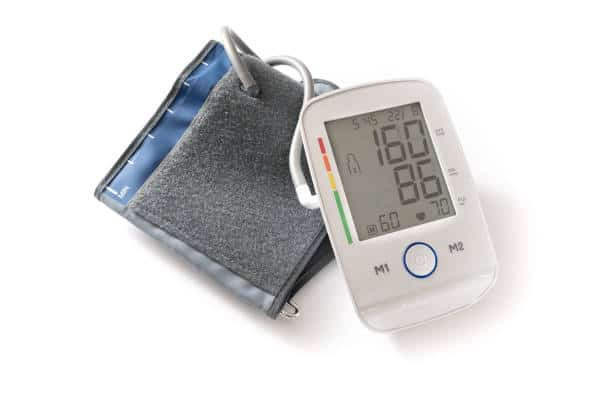
People with high blood pressure should keep track of their readings at home, Vitarello notes. If your numbers are not under control, he adds, it’s worth asking your doctor whether any other medications you are taking could be a factor.
In some cases an alternative might be possible, Vitarello suggests, such as acetaminophen (Tylenol) in place of an NSAID, for example.
In fact, acetaminophen should be the painkiller of choice for people with high blood pressure, according to Dr. Eugene Yang, chairman of the Prevention of Cardiovascular Disease Council for the American College of Cardiology (ACC).
Patients taking steroids for a long time should ask their doctor if they still need steroids and if their dose is
the lowest dose possible, Stewart adds.
He also says that treating high blood pressure can lower the risk caused by steroids, especially in patients who need to keep taking them.
For the study, Vitarello’s team looked at data from the ongoing NHANES project that interviewed a nationally representative sample of more than 27,000 U.S. adults between 2009 and 2018.
Just under half had high blood pressure, using the current definition of 130/80 mm Hg or higher. (In 2017, the ACC and American Heart Association changed their definition of high blood pressure, lowering it from the old threshold of 140/90 mm Hg.)
Overall, 19% of people with the condition were using a medication that can hike blood pressure. The researchers estimated that if half of Americans in that category were to stop taking one culprit medication, an additional 560,000 to 2.2 million people might get their blood pressure under control.
Yang cautions that it’s not clear how many Americans could get their blood pressure under control simply by stopping a medication.
What’s more, he says, many of the drugs people were using — like antidepressants or steroids — may be necessary.
Instead, he says, “we treat the high blood pressure.”
That might mean upping the dose of a current blood pressure medication or adding an additional one.
Lifestyle is also key, Yang notes. The general advice is to follow a healthy diet low in salt and rich in fruits and vegetables; get regular exercise; don’t smoke; limit alcohol, and maintain a healthy weight.


By subscribing, you consent to receive emails from BlackDoctor.com. You may unsubscribe at any time. Privacy Policy & Terms of Service.