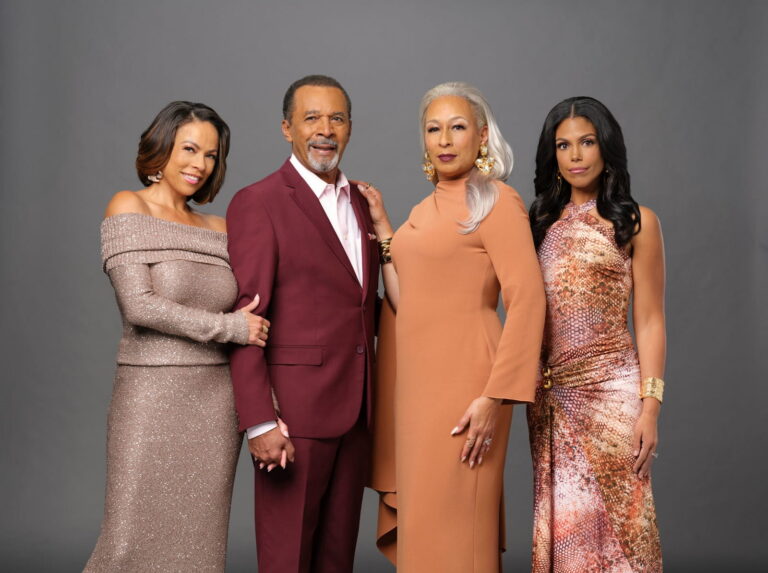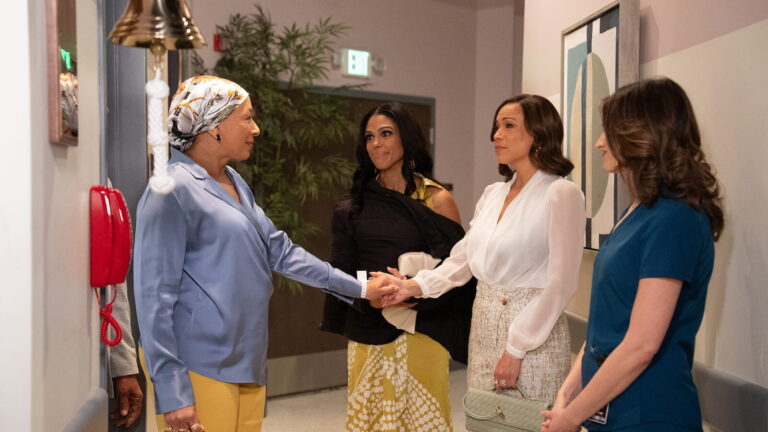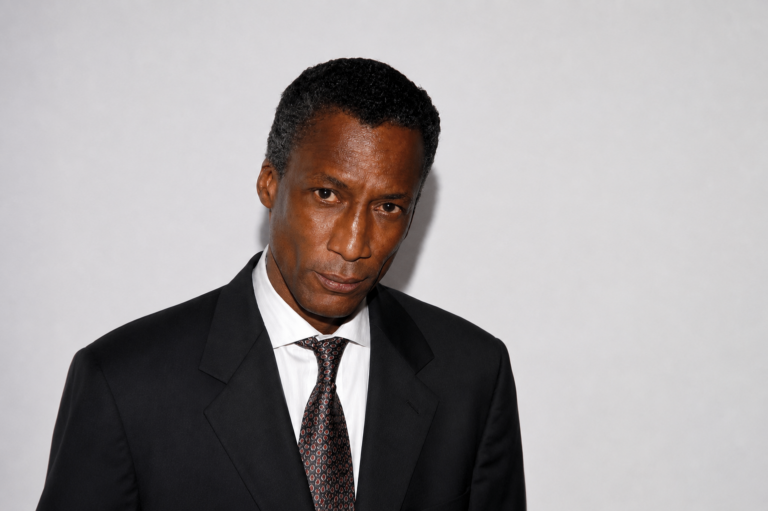
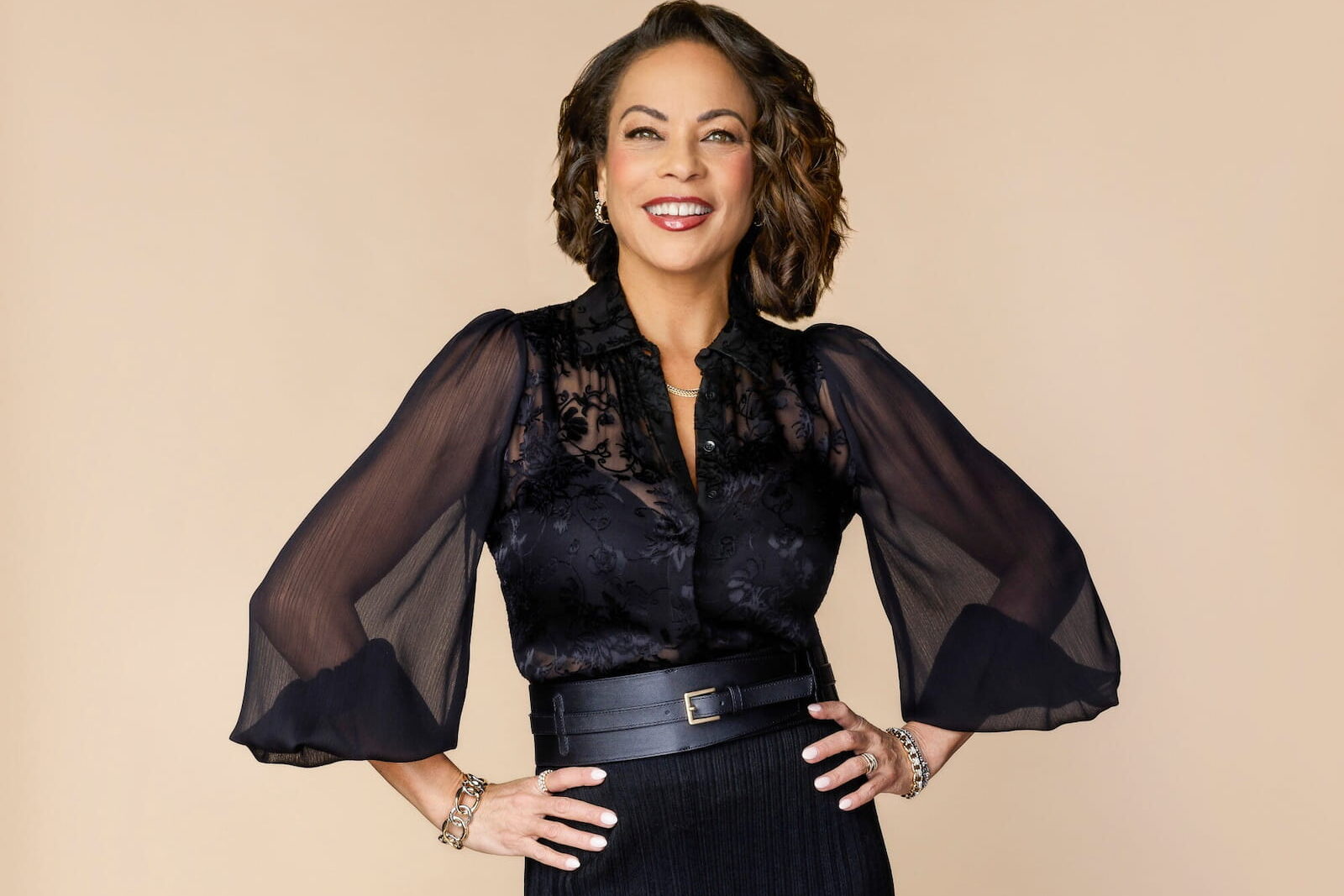
When a television storyline tackles a medical crisis, the weight falls on the actors to bring authenticity to the screen. For Tamara Tunie, Daphnee Duplaix, and Clifton Davis, portraying a family navigating a health battle on the award-winning CBS soap opera Beyond the Gates, was not just acting. It was a reflection of deep personal loss and a call to action for the communities they represent. The three actors spoke with BlackDoctor about how their own health experiences showed up on-screen.
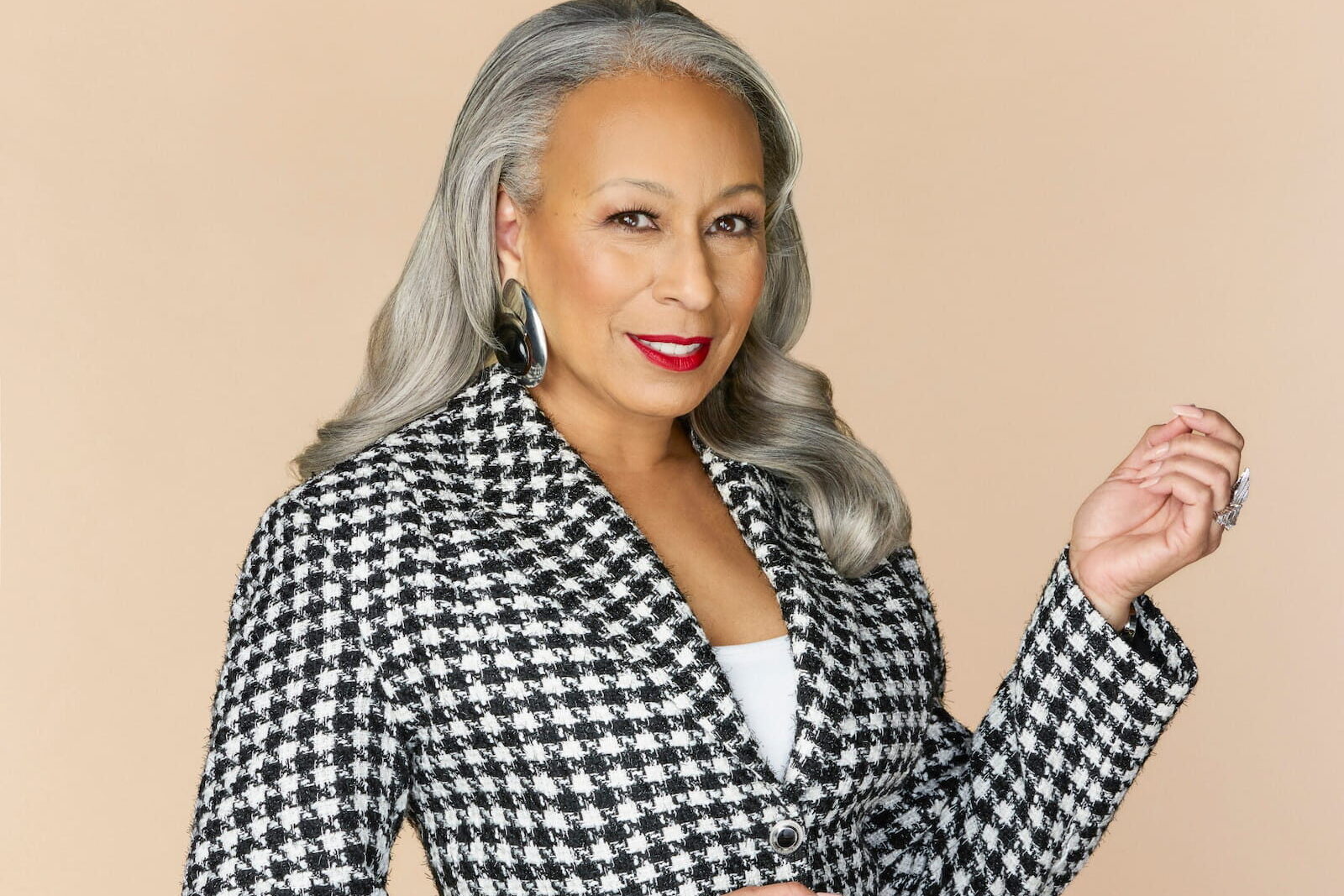
For veteran actress Tunie, who stars as the matriarch “Anita Dupree,” the battle against cancer is not a distant topic. Having walked alongside dear friends through the exhausting cycle of chemotherapy and the difficult road to recovery, she understands the emotional toll of the disease firsthand. These experiences, combined with the loss of her own father to cancer, provided the foundation for her performance.
“It was a combination of personal experience and deep research,” Tunie shared with BlackDoctor.
“Sadly, cancer has touched me personally. I have had a couple of very dear friends fight the battle who did not survive. Seeing what chemo did to their energy and spirit, witnessing the moments when they felt they could not fight anymore, and the moments they rallied back, all of it informed this role. My dad also passed away from cancer.”
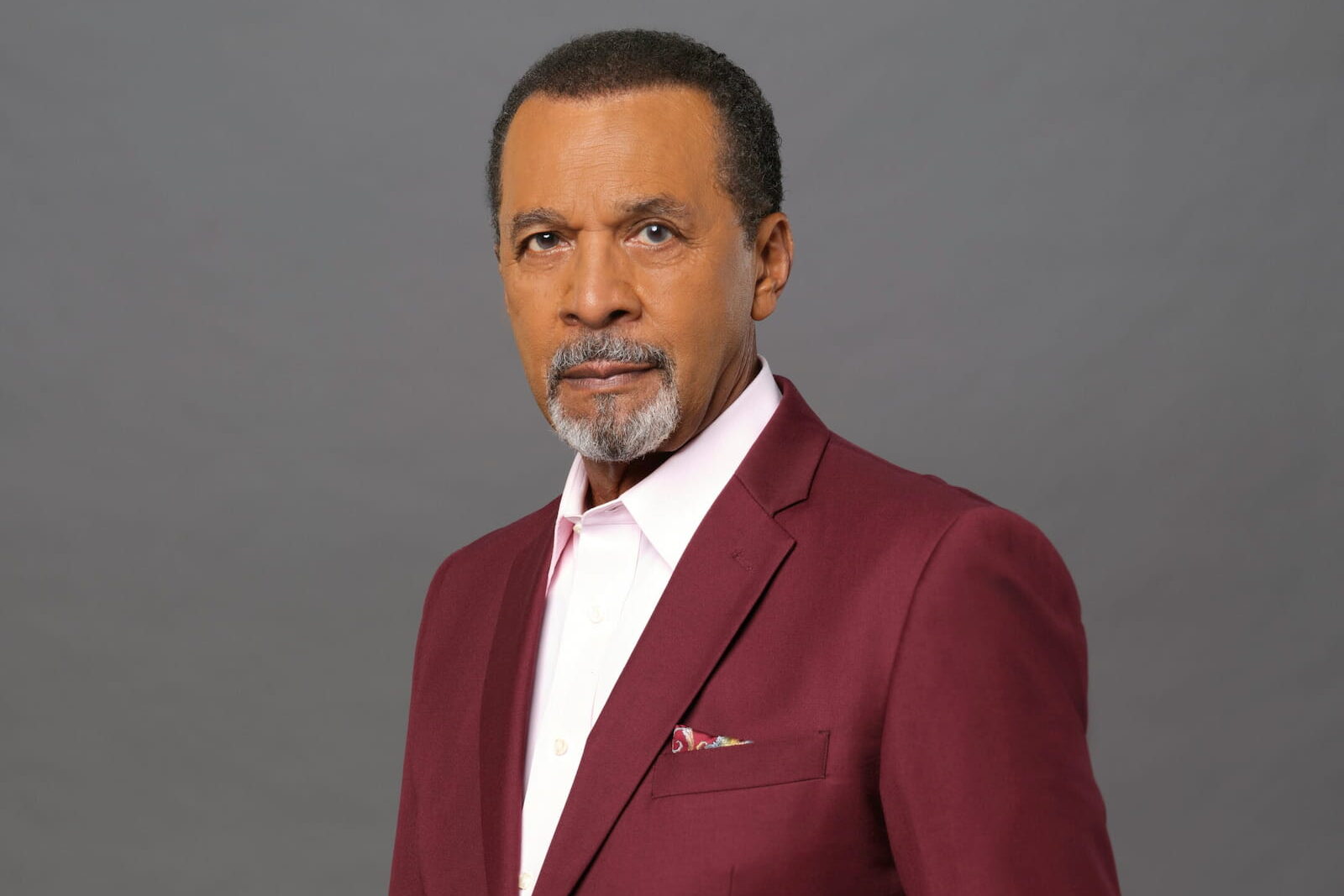
Veteran actor and television mainstay Clifton Davis stars as Anita’s husband “Vernon Dupree” and he brings a similar gravity to the screen, as his own family circle has been profoundly reshaped by the disease.
“I did not have to dig real deep to find a true emotion to display,” Davis said. “In my very own family, loved ones had not only gotten cancer, but passed away as a result of it. My baby sister, whom I loved so much, died of breast cancer a number of years ago. And just a few years ago, my brother passed away from prostate cancer. I had been living with that reality.”
Daphnee Duplaix plays their daughter “Nicole” and she brings her own profound layer of loss to the ensemble, having navigated the grief of losing her mother to multiple myeloma. “It was not a hard reach to find that pain,” she shared.
The physical and emotional toll of shooting heavy scenes is significant. For Duplaix, the process of resetting is intentional. “Everybody’s process is different,” Duplaix said. “I surely do not want to walk around with that feeling. Your body retains stress and cortisol levels. If it is a very heavy, emotional scene and I happen to cry, the minute they call cut, I just turn around, have my moment, shake it off, and remind myself that it is not real. The minute those stage doors open and we walk back into the hallway, the cast is right back to laughing, joking, and figuring out which viral Instagram dances we are going to learn next.”
Tunie relies on a dedicated, holistic wellness routine to center her headspace and reset her energy after a demanding day at the studio. “I have been a yoga practitioner for a long time, and it always centers me,” she says. “I explicitly tell myself: ‘You do not have cancer. She does, but you do not.’ I leave it at the studio. I believe we are energetic beings, and playing a sick person changes your vibrations. To get my vibes back in line, I use sound baths, incense or sage to cleanse the aura, and music, specifically jazz and Brazilian music, to soothe me.”
Beyond her focus on wellness, Tunie has been celebrated for her decision to embrace her natural gray hair. Having begun to gray early in her 30s, she made the empowering choice to stop hiding it and instead lean into her natural beauty. “I decided that was it, I was done,” Tunie says of her decision to stop coloring her hair. “I wanted to be fully gray. I wanted to see who I was, and I love it. I feel more like myself than I ever have.”
Off-screen, the cast members are equally passionate about dismantling the systemic hurdles that keep people from getting life-saving care. During Uterine Fibroid Awareness Month in July, a time dedicated to education regarding a condition that affects up to 80 percent of women by age 50. These noncancerous growths disproportionately affect Black women, who are more likely to develop them at a younger age, have more severe symptoms, and face larger tumor growth according to the Cleveland Clinic.
The cast emphasizes that this medical gap stems from a long history of clinical exclusion. Duplaix highlights the necessity of self-advocacy and finding the right medical support to ensure concerns are heard. For those seeking reliable guidance, organizations like The Fibroid Foundation offer critical patient resources.
Clifton Davis also emphasizes the necessity of family members acting as a vital line of defense. At 80 years old, he maintains his longevity by prioritizing physical activity and listening to his body, acknowledging when it is time to slow down or seek professional care. He credits his wife of 26 years with helping him stay proactive about his own health. “There have been a number of times where my wife has said, ‘No, we are going to the doctor.’ And it was needed. We addressed things that were going a little off, got treatment, and it helped it go away. Had it not been for my wife speaking up and demanding that I go, I would have kept telling myself I was good.”
Ultimately, the cast’s shared mission is to transform passive awareness into proactive, life-saving action. By highlighting the necessity of self-advocacy and family support, they hope to inspire their communities to dismantle generational silence and take control of their health.
Watch Beyond the Gates weekdays on CBS from 2-3 PM ET or 1PM PT and stream it on Paramount+. For breast health tools and resources, visit KnowYourLemons.org.
Photos courtesy of CBS Beyond the Gates

By subscribing, you consent to receive emails from BlackDoctor.com. You may unsubscribe at any time. Privacy Policy & Terms of Service.