(Photo credit: Billy Porter Instagram)
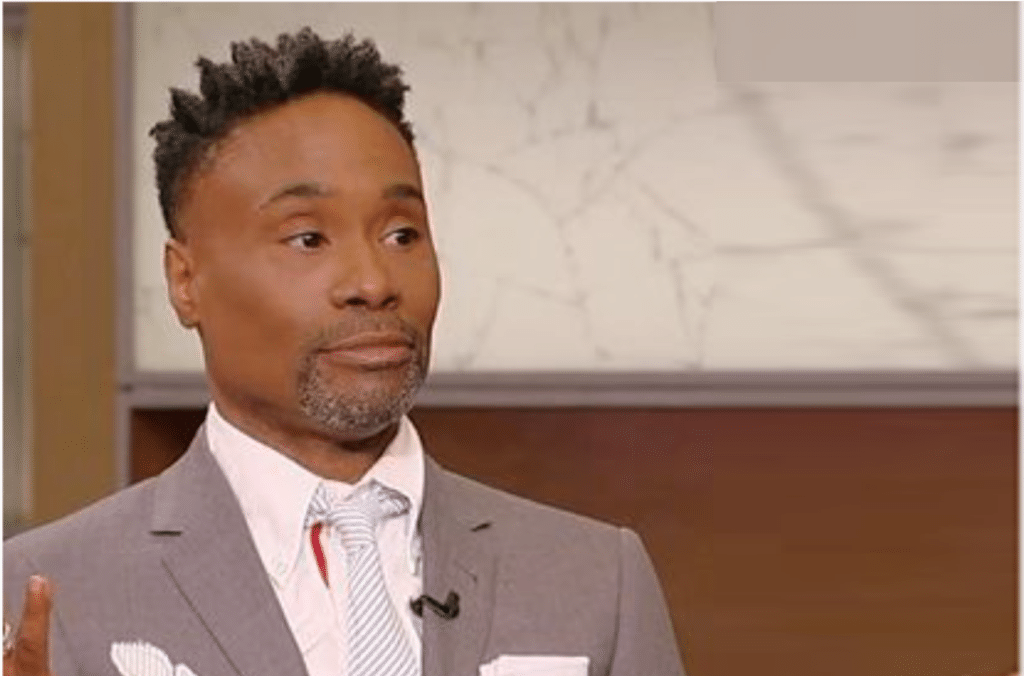
Emmy, Grammy, and Tony-winning actor, not to mention style icon, Billy Porter just revealed that he has HIV in a new interview with The Hollywood Reporter.
For the first time since being diagnosed more than a decade ago, the ‘Pose’ star opened up about the shame that compelled him to hide his condition.
Porter, who also has type 2 diabetes, was diagnosed with HIV 14 years ago during routine testing, he said in the interview. But the stigma and shame he felt about his diagnosis, especially as a Black man, kept him from making this detail of his life public sooner.
“I was trying to have a life and a career, and I wasn’t certain I could if the wrong people knew,” he said. “It would just be another way for people to discriminate against me in an already discriminatory profession. So I tried to think about it as little as I could. I tried to block it out.”
“I was the generation that was supposed to know better, and it happened anyway,” explains Porter. “It was 2007, the worst year of my life. I was on the precipice of obscurity for about a decade or so, but 2007 was the worst of it. By February, I had been diagnosed with Type 2 diabetes. By March, I signed bankruptcy papers. And by June, I was diagnosed HIV-positive. The shame of that time compounded with the shame that had already [accumulated] in my life silenced me, and I have lived with that shame in silence for 14 years. HIV-positive, where I come from, growing up in the Pentecostal church with a very religious family, is God’s punishment.”
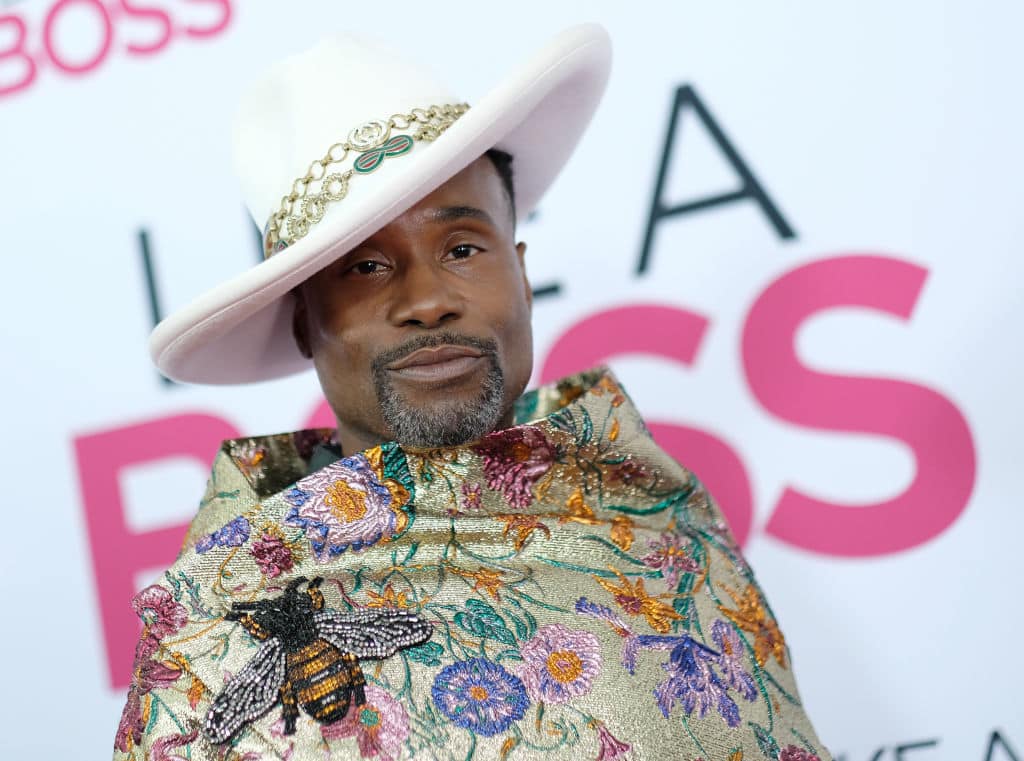
(Photo by Dimitrios Kambouris/Getty Images)Porter writes that he’s been in therapy since he was 25, but it was during this last year in quarantine that he discovered, “There has never been a moment that I’ve not been in trauma.”
“…In the last year, I started real trauma therapy to begin the process of healing. I started peeling back all these layers: having been sent to a psychologist at age 5 because I came out of the womb a big old queen; being sexually abused by my stepfather from the time I was 7 to the time I was 12; coming out at 16 in the middle of the AIDS crisis.”
That trauma helped fuel his work, he said, and it brought him to his role on Pose, in which he plays a character who is HIV-positive. This gave him “an opportunity to work through the shame [of HIV].”
Now Porter and his husband, whom he married in 2017, are looking to start a family. “Now it’s not just me,” he said. “It’s time to grow up and move on because shame is destructive—and if not dealt with, it can destroy everything in its path.”
Having lived through the death and stigma of HIV of many like him, Porter always questioned, “Why was I spared? Why am I living?”
“Well, I’m living so that I can tell the story,” he wrote. “There’s a whole generation that was here, and I stand on their shoulders. I can be who I am in this space, at this time, because of the legacy that they left for me. So it’s time to put my big boy pants on and talk.”

(Photo credit: Billy Porter Instagram)
And Billy is right. Telling your story is something all of us have the right to do and should do, no matter the stigma that still going on now.
According to the National Institutes of Health (NIH), stigma has the potential to devalue or discredit individuals and people who experience HIV-related stigma report greater discrimination and lower quality of life. African-Americans living with HIV have reported greater perceived stigma and more social rejection than Caucasians. As HIV/AIDS is a prominent health concern among African-Americans, understanding HIV-related stigma can inform the development of interventions that: 1) have potential for greater impact than individually-targeted programming; 2) result in longer-term health benefits; and 3) augment the effectiveness of behavioral interventions by enhancing participants’ likelihood to execute HIV-preventive and treatment behaviors.
Studies show that cultural biases like stigma, discrimination, and homophobia place many African Americans at higher risk for HIV. These barriers prevent many from seeking routine HIV testing or receiving HIV preventative care and treatments due to fear of judgment from family and peers. In fact, the CDC reports 1 in 7 African Americans living with HIV are unaware of their diagnosis. Without knowing they have HIV, they cannot take advantage of the treatments that can lead to viral suppression and prevent them from unknowingly transmitting the virus to others.
(Photo credit: Billy Porter Instagram)
Data also show that African Americans are disproportionately affected by HIV. Although they represent only 13% of the U.S. population, they account for 43% of all new HIV diagnoses.
Having conversations about sexual health, HIV prevention, testing and status can help change the narrative. Thank you for unapologetically being you, Billy. We love you!


By subscribing, you consent to receive emails from BlackDoctor.com. You may unsubscribe at any time. Privacy Policy & Terms of Service.