Most people in the U.S. living with sickle cell disease are of African or Latino descent like my cousin Kenny who died of sickle cell at a young age. I was around 12 when he died. Kenny was older than me, but I don’t think he lived past his 16th birthday.
The year my cousin passed, he was in the hospital often because of sickle cell crises. When I was told of his death, I was shocked and scared because he was always cheerful and full of life whenever I would see him. I never recall visually seeing him in any pain so this was scary.
Sickle cell disease is a genetic blood disorder that affects the red blood cells that carry oxygen throughout the body. This genetic blood disorder distorts soft and round red blood cells and turns them hard and crescent-shaped or “sickle-like”, causing extreme pain and life-threatening complications.
According to the site Curly Nikki, The American Red Cross is conducting outreach campaigns encouraging more BIPOC blood donors.
Sickle cell disease occurs in 1 in every 365 births and about 1 in 13 Black or African American babies in the U.S. are born with sickle cell trait.
Many individuals are unaware if they carry this trait as sickle cell testing at birth was not widely provided until 2006.
R&B artist Tionne “T-Boz” Watkins from the group TLC is a well-known spokesperson for the disease, who was told she wouldn’t live past 30 when she was diagnosed with sickle cell at age 19. She was on her way to stardom and experienced crippling complications while touring throughout the years.
RELATED: The Blood Type Chart Explained
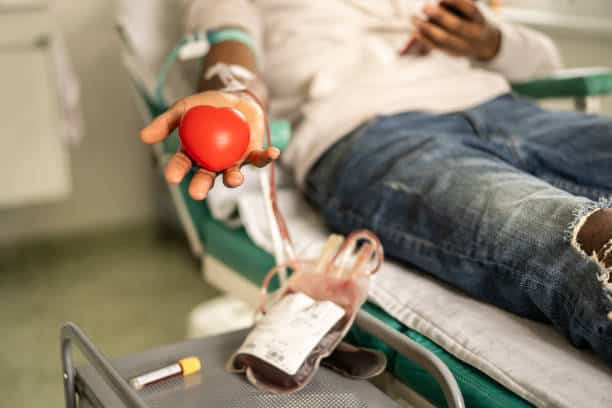
Those living with sickle cell disease will need regular blood transfusions to help manage their disease. But they can only receive blood from people with the same blood type because these patients may develop an immune response against blood from donors that are not closely matched to their own. Knowing your blood type ( A, B, O, or AB) can reduce the risk of complications.
According to Versiti, a national leader in innovative blood solutions, of the entire U.S. population, only 5% donate blood and of that small group of generous donors, a small fraction have a blood type called Ro.
Ro donors have special markers on their red blood cells, and while this blood type is normal, it’s uncommon. This specific blood type is essential to the well-being of sickle cell patients.
Having access to Ro blood may provide a safer blood transfusion and an overall improved quality of life and life expectancy for those with sickle cell disease.
RELATED: Living With Sickle Cell Disease? Here Are The Best Ways To Prevent a Pain Crisis
Blacks have distinct markers on their red blood cells making them the ideal blood donor. More than half of blood donors who are Black have blood that is free of C, E and K antigens with 44% of Black Americans having Ro blood.
I often wonder if my cousin Kenny would’ve had access to matched blood donations would he have lived longer? He was so full of life, cut short at the age of 16. In my research, I was relieved to learn about the benefits of the life-giving blood Blacks are privileged to carry. We simply need to become familiar and more comfortable with donating blood.
The reason sickle cell patients are told their blood is “rare” is not that it’s abnormal, it’s because of the low number of BIPOC donors. The good news here is, we have the power to reverse this shortage.
To learn more about becoming a blood donor, please visit The American Red Cross as they continue to expand partnerships within Black communities to engage new donors and make sure blood donation opportunities are reflective of the diverse communities they serve to best support patients battling sickle cell disease.


By subscribing, you consent to receive emails from BlackDoctor.com. You may unsubscribe at any time. Privacy Policy & Terms of Service.