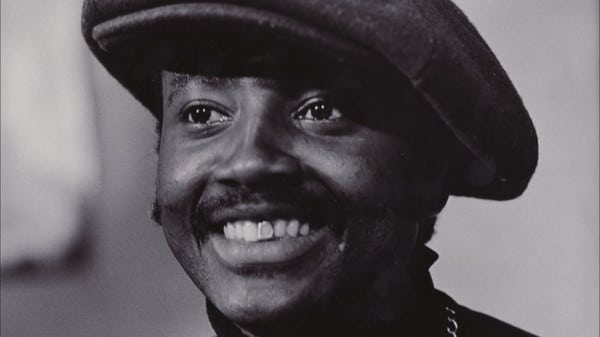
There’s no surer sign that the holidays are around the corner than hearing Donny Hathaway’s “This Christmas” waft through the air. The classic Christmas anthem has stood the test of time because of its soulful, cheery tune, so it’s hard to imagine that it came from such a troubled mind.
Hathaway was a musical genius that suffered from paranoid schizophrenia. It was reported that he frequently heard voices and experienced hallucinations that instructed him to do harmful things.
Well into adulthood when he was diagnosed, his condition was severe and reports stated that the medication only seemed to amplify the illness. According to Hathaway’s Wikipedia page, he was prescribed 14 different medications that he was to take twice a day. In fact, it caused a cognitive delay for him, carrying him through manic highs and devastating lows.
According to the American Psychiatric Association, schizophrenia is defined as a chronic brain disorder that affects less than one percent of the U.S. population. When schizophrenia is active, symptoms can include delusions, hallucinations, disorganized speech, trouble with thinking, and lack of motivation.
RELATED: Lalah Hathaway: Continuing The Legacy
Although schizophrenia is incurable at the moment, researchers are diligently working toward finding safer and more effective treatments.
Research is also being done to unpack the reasons behind the disease by delving into genetics, exploring behavioral research, and capturing advanced brain images to look at its structure.
Since schizophrenia is such a complex disease, there are misconceptions about its symptoms.
Despite earlier claims, schizophrenia is not the same as split-brain or multiple-personality. Also, schizophrenia is not an automatic precursor to dangerous or violent behavior.
While limited mental health resources and a lack of understanding of the disease can lead to homelessness and neglect, it is a common misconception that those with schizophrenia end up living on the streets or long-term hospital patients. In truth, most people with schizophrenia live with their family, in group homes, or on their own.
Research has shown that schizophrenia affects men and women at the same rate but may show up earlier in males. Rates are similar globally. Those with schizophrenia are more likely to die younger, largely because of high rates of simultaneous illnesses, such as heart disease and diabetes.

Like Hathaway, who was diagnosed at 25, symptoms of schizophrenia usually first appear in early adulthood and must persist for at least six months for a diagnosis to be made.
According to the American Psychiatric Association, men often experience initial symptoms in their late teens or early 20s while women tend to show first signs of the illness in their 20s and early 30s. More subtle signs may be present earlier, including troubled relationships, poor school performance, and reduced motivation.
The causes of schizophrenia are complicated and still being researched. It has been theorized that genetics may play a role in determining the susceptibility of developing schizophrenia or other similar mental illnesses that produce hallucinations.
RELATED: 4 Myths About Schizophrenia
It’s also been found that a viral illness in childhood could affect the way the brain develops. Research has also shown that the brain’s neurotransmitters, which facilitate cell-nerve communication may have caused a breakdown in the way the brain perceives the world.
Research on the disease has been moving in a positive direction for years.
Unfortunately, Hathaway was not able to enjoy the benefits of new developments in treatment methods as he tragically took his own life in 1979. More than 40 years later, it’s important to revisit the timeless artist’s story of joy, pain, and untimely death as it underscores the Black community’s complicated relationship with mental illness.
Fortunately for us, although he is gone, Hathaway’s beautiful music will live on forever.
BDO’s Black History of Health series is designed to show the correlation between the health of historical black figures and Black Americans today. Many of the health disparities we currently experience have been in our community for centuries. This series is meant to bring these conditions to the forefront and provide blacks with preventative and management steps to reduce these disparities and improve the overall health of the Black American community. It’s time to change the narrative.


By subscribing, you consent to receive emails from BlackDoctor.com. You may unsubscribe at any time. Privacy Policy & Terms of Service.