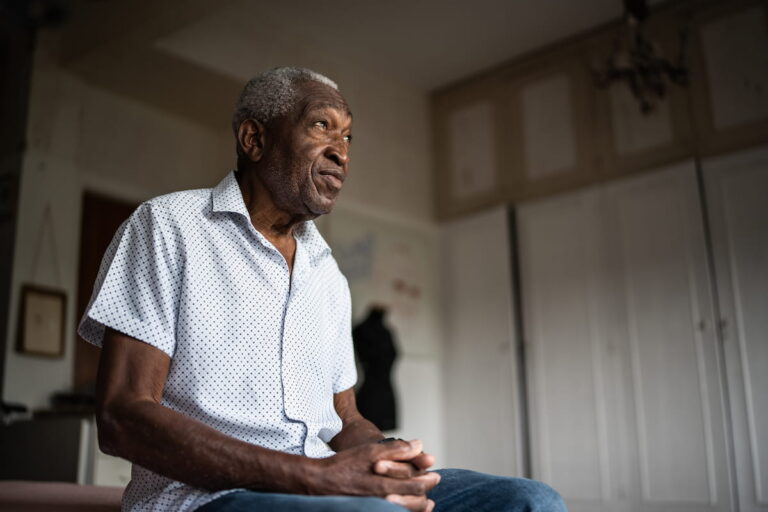
For many Black veterans, post-traumatic stress disorder (PTSD) is not only connected to combat or military service. Racism, discrimination, and the stress of navigating life as a Black person in America can also leave lasting emotional scars.
Black veterans experience PTSD at disproportionately high rates — as high as 33 percent in some studies. Yet, many also face barriers to care, including mental health stigma, denied disability claims, lower treatment retention rates, and race-related stress.
Experts say race-based trauma remains an underrecognized contributor to PTSD in Black veterans, highlighting the need for better mental health assessments and more personalized treatment.
A study published in the Journal of Racial and Ethnic Health Disparities examined whether talk therapies met the unique needs of Black veterans with PTSD who’ve experienced race-based trauma.
Race-based trauma, or race-based traumatic stress (RBTS), is the mental and emotional impact of encountering racism and discrimination.
Experiences that can trigger RBTS include:
Long-term exposure to racial trauma may lead to symptoms that mimic PTSD, including:
RELATED: Invisible Man: Black Men & PTSD
Researchers held in-depth interviews with 20 Black veterans who’d received either cognitive processing therapy (CPT), prolonged exposure therapy (PE), or both. CPT and PE are evidence-based talk therapies commonly used to treat PTSD.
The participants were asked if race-based trauma was addressed during treatment, and if not, to share suggestions for how to improve PTSD treatment.
The interviews explored four main domains of racism and discrimination in mental healthcare:
The findings reveal a more complex picture of PTSD — one that requires a more personalized treatment approach.
For Black veterans, their trauma extends beyond military service. They described ongoing exposure to racism, both inside and outside of the military, as a significant and compounding source of stress.
These experiences ranged from direct discrimination to more subtle, chronic forms of bias. Over time, this type of exposure can shape how individuals perceive threat, safety, and trust.
Several participants also described racial trauma as interwoven within their military experiences, rather than separate from them.
You may be experiencing PTSD or race-based trauma if:
RELATED: Navigating Veteran Benefits and Elder Care Services
A key theme that emerged from the interviews was trust. Some veterans described hesitation or skepticism toward mental healthcare systems, shaped in part by past experiences or discrimination — both within healthcare and in society at large.
Others noted challenges in building rapport with providers who lacked cultural understanding or failed to recognize the significance of race in their experiences.
For Black veterans with PTSD, these barriers can make it more challenging to seek care, remain in treatment, or fully engage.

If you’re a veteran dealing with race-based trauma, there are several ways you can find support – but first, seek a licensed mental health professional. Some therapists who specialize in multicultural issues can validate your experiences rather than question them.
The following therapies can support people with racial trauma, including:
You can supplement professional therapy by:
The U.S. Department of Veterans Affairs offers resources for race-based trauma at certain locations, including specialized counseling and support services.
Research shows that beyond traumatic events like combat, sexual assault, or explosions, Black veterans can also experience racism and discrimination that can have long-term effects on their mental well-being. These are often hidden mental health challenges that many may not feel comfortable sharing, leading to years of suffering.
If you or a loved one has race-based trauma, seeking professional help is essential. A therapist with specialized training in racism and discrimination can help you navigate these challenges while also giving you the tools to cope healthily.
Healing is possible, and Black veterans deserve mental healthcare that recognizes the full weight of their experiences — both during and after military service.


By subscribing, you consent to receive emails from BlackDoctor.com. You may unsubscribe at any time. Privacy Policy & Terms of Service.