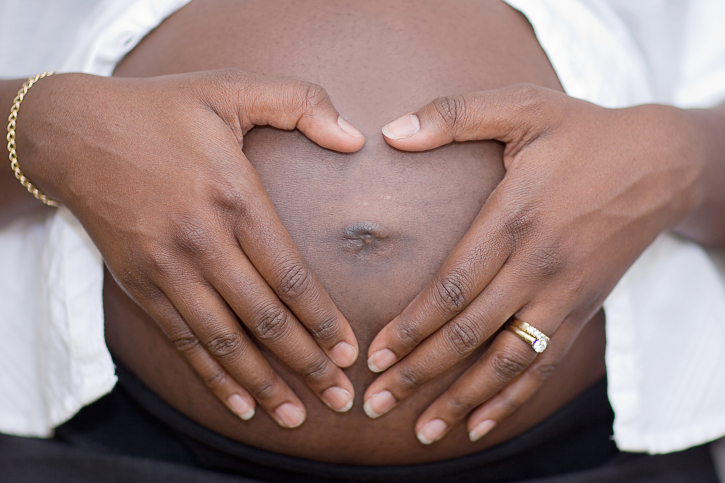
Five of nine pregnancies among U.S. women who were infected with the Zika virus have resulted in tragic outcomes, federal health officials said Friday.
All of the women contracted the mosquito-borne virus while traveling outside the United States, in regions experiencing Zika outbreaks, the officials said.
READ: Zika Virus Expected To Spread; CDC Issues Increased Travel Alert
In four of the cases, the women lost their babies: Two to miscarriage and two to abortions after ultrasounds revealed birth defects, the U.S. Centers for Disease Control and Prevention reported.
A fifth woman gave birth in late 2015 to a child with severe microcephaly, a condition in which the brain and skull are significantly underdeveloped.
Since the Zika epidemic began last spring, it’s believed there have been more than 5,600 suspected or confirmed cases of microcephaly in Brazil, the World Health Organization reported Friday.
“Even though the [U.S.] numbers are small, they are of considerable interest,” CDC Director Dr. Tom Frieden said during a news conference Friday. “We understand that the occurrence of fetal malformation, fetal loss or miscarriage, or a child with a birth defect, is something that can be devastating to a family.”
READ: 4 Reasons You Are Mosquito Bait
The proportion of U.S. pregnancies that appear to have been harmed due to the mosquito-borne infection “is unexpected, and greater than we would have expected,” Dr. Denise Jamieson, co-lead of the Pregnancy and Birth Defects Team with the CDC Zika Virus Response Team, said during the news conference.
Of the remaining four women, two gave birth to apparently healthy babies and two pregnancies are continuing without known complications.
Those numbers reflect confirmed cases as of Feb. 17. Ten additional reports of Zika infection involving pregnant U.S. women are currently under investigation, the CDC added.
Genetic evidence of Zika virus was detected in tissue specimens from the two miscarriages. The CDC was careful to say it is not known whether Zika caused the miscarriages, but Frieden noted that the presence of the virus in fetal tissue is highly suspicious.
In an updated travel alert issued Friday evening, the CDC offered several cautions for people planning to attend the 2016 Summer Olympics in Rio de Janeiro, Brazil. The agency suggested that pregnant women consider not going to the games and that if their male partners go, the couple should use condoms after the trip or abstain from sex during the pregnancy.
If a pregnant women decides to go to the Summer Olympics, she should talk with her doctor before leaving, the CDC advised in the latest alert.
In January, the CDC advised pregnant women to consider postponing travel to any areas where active transmission of Zika is occurring. The agency also issued guidelines for physicians, urging them to perform blood tests and regular ultrasounds on expecting mothers who have returned from a Zika-affected region.
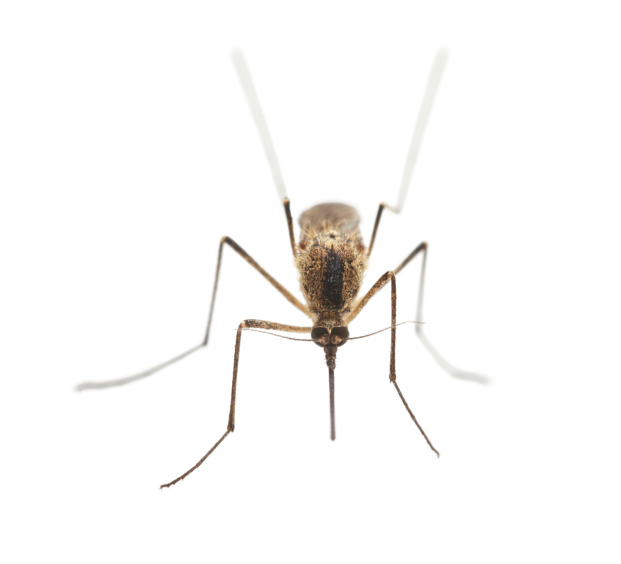
Approximately half a million pregnant women travel to the United States annually from the 32 Zika-affected countries and U.S. territories with active transmission of Zika virus, the CDC said. The agency hopes those numbers will decrease due to its travel advisory.
There have been 147 U.S. cases of Zika reported to the CDC so far, Frieden said. Of those, 140 are related to travel to a Zika-affected region, and 40 have occurred in a U.S. territory like Puerto Rico. No instances of direct transmission via mosquito have yet taken place in the United States.
Only one out of every five people infected with Zika show any symptoms, and even those who fall ill usually do not suffer severe symptoms. The most serious risk from Zika seems to be to pregnant women and their developing fetus, Frieden said.
But a case report published this week in the journal PLOS Neglected Tropical Diseases suggests that Zika may cause even greater harm than previously suggested. The report concerned a stillborn Brazilian fetus that had almost no brain tissue and dangerous fluid buildup in other parts of its body.
The nine confirmed U.S. cases of Zika virus infection were reported among pregnant women who had traveled to one or more of the following nine areas: American Samoa, Brazil, El Salvador, Guatemala, Haiti, Honduras, Mexico, Puerto Rico and Samoa.
All nine women reported at least one of Zika’s four most commonly observed symptoms — fever, rash, conjunctivitis (pink eye) and joint pain.
Six of the women reported Zika symptoms during their first trimester, and their outcomes reflect expert opinion that early infection can be more devastating to the developing fetus than infection later in pregnancy. All four lost pregnancies and the single case of birth with microcephaly occurred in this group of women.
The CDC has also warned pregnant women to refrain from unprotected sex with a partner who has traveled to a Zika-affected region.
Zika virus infection has been confirmed in two non-traveling women whose only known risk factor was sexual contact with a male partner who had recently traveled to an area with ongoing transmission, the CDC said Friday.
CDC researchers also are investigating four probable cases of sexually transmitted Zika virus in non-traveling women.
Frieden admitted the CDC “did not anticipate that we would see this many sexually transmitted cases of Zika.”
The Zika virus has now spread to over 32 countries and territories in Latin America and the Caribbean. The World Health Organization estimates there could be up to 4 million cases of Zika in the Americas in the next year.
For more on Zika virus, visit the U.S. Centers for Disease Control and Prevention.
Copyright HealthDay News. All rights reserved.


By subscribing, you consent to receive emails from BlackDoctor.com. You may unsubscribe at any time. Privacy Policy & Terms of Service.