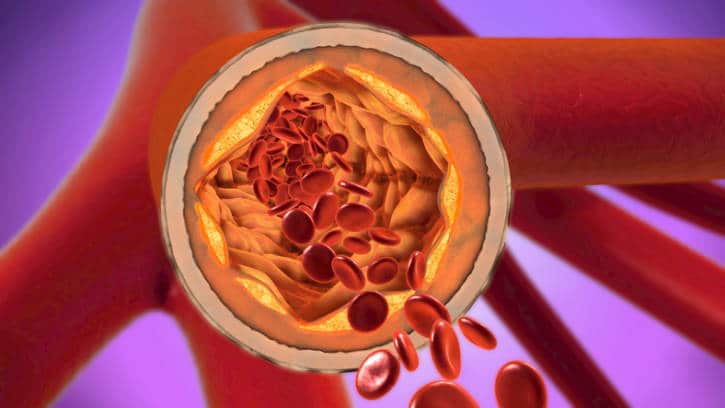
Cholesterol is a fat-like, waxy substance that can be found in all parts of your body. It helps your body make cell membranes, many hormones, and vitamin D. The cholesterol in your blood comes from two sources: the foods you eat and your liver. Your liver makes all the cholesterol your body needs.
Cholesterol and other fats are carried in your bloodstream as spherical particles called lipoproteins. The two most commonly known lipoproteins are low-density lipoproteins (LDL) and high-density lipoproteins (HDL).
What is LDL (Low-Density Lipoprotein) Cholesterol?
LDL (‘bad”) cholesterol is a type of fat in the blood that contains the most cholesterol. It can contribute to the formation of plaque buildup in the arteries (atherosclerosis). This is linked to higher risk for heart attack and stroke.
You want your LDL to be low. To help lower it:
What is HDL (High-Density Lipoprotein) Cholesterol?
HDL (“good”) cholesterol, helps to remove cholesterol from the blood. This keeps plaque from building up in your arteries.
You want your HDL to be as high as possible. Some people can raise HDL by:
Others may need medicine. Because raising HDL is complicated, you should work with your healthcare provider on a treatment plan.
Checking your blood cholesterol level
A cholesterol screening is an overall look at the fats in your blood. Screenings help find people at risk for heart disease. It is important to have what is called a full lipid profile to show the actual levels of each type of fat in your blood: LDL, HDL, triglycerides, and others. Talk with your healthcare provider about when to have this test.
What is a healthy blood cholesterol level?
High blood cholesterol is a significant risk factor for heart disease and stroke. You can lower your risk by getting more exercise, losing weight if you are overweight, quitting smoking, and eating a healthy diet. But blood cholesterol is very specific to each person. Your healthcare provider will determine your total cholesterol and LDL goals based on other risk factors. For that reason, a full lipid profile is an important part of your health history and important information for your healthcare provider to have.
What treatments are available for high cholesterol?
Medical treatment may include:
Statistics about cholesterol
High cholesterol is a risk for many Americans. Consider these statistics:
What are triglycerides?
Triglycerides are another class of fat found in the bloodstream. The bulk of your body’s fat tissue is in the form of triglycerides.
Triglyceride levels and heart disease
The link between triglycerides and heart disease is being studied. But many people with high triglycerides also have other risk factors, like high LDL levels or low HDL levels.
What causes elevated triglyceride levels?
High triglyceride levels may be caused by health conditions like diabetes, hypothyroidism, kidney disease, or liver disease. Dietary causes of high triglyceride levels may include drinking a lot of alcohol, and eating foods containing cholesterol, saturated fat, and trans fat.
Founded in 1974, the Association of Black Cardiologists, Inc., (ABC) is a nonprofit organization with an international membership of 1,700 health professionals, lay members of the community (Community Health Advocates), corporate members, and institutional members. The ABC is dedicated to eliminating the disparities related to cardiovascular disease in all people of color. Today, the ABC’s public and private partnerships continue to increase our impact in communities across the nation. For more information, visit abcardio.org.


By subscribing, you consent to receive emails from BlackDoctor.com. You may unsubscribe at any time. Privacy Policy & Terms of Service.