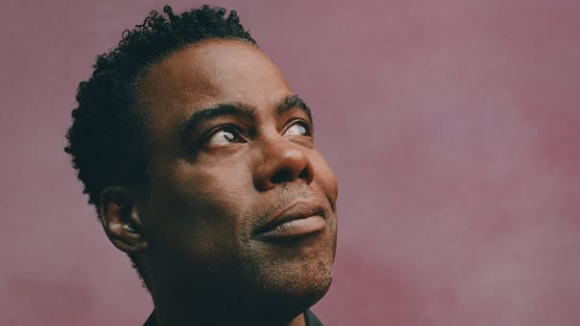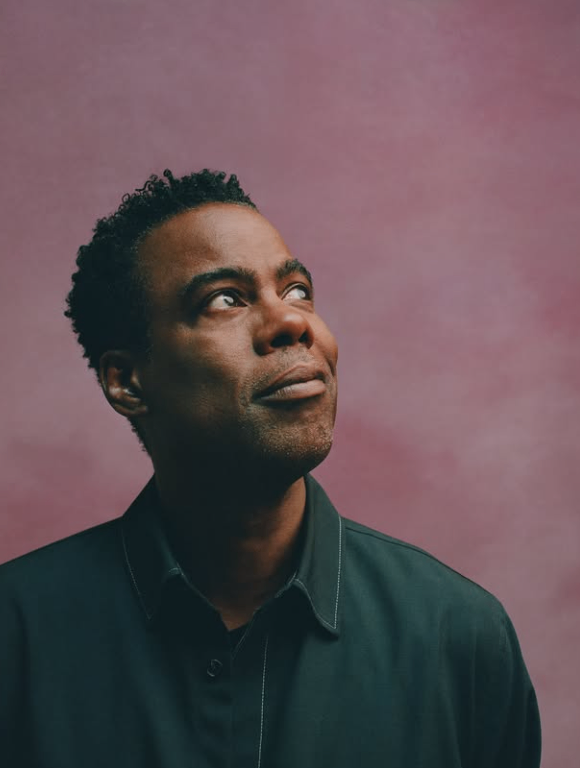
Chris Rock has spent decades making people laugh and saying the uncomfortable things everyone else is thinking. But at 61, the comedian is becoming more comfortable talking about something he hasn’t always had the answers to: himself.
In a revealing interview with The New York Times, Rock opened up about years of therapy, the insecurities that still come up in his life, and the emotional work he’s doing to become a better father, friend, and partner.
And for a man who has built a career on quick comebacks, one of the most important lessons he’s learning is surprisingly simple: “You are enough, sir.”
RELATED: Chris Rock: “Bullying Made Me Who I Am”
Rock is one of the most recognizable comedians. He’s sold out arenas, starred in movies, and won multiple Emmy and Grammy Awards. You might think a man with that résumé has nothing left to prove, but Rock knows better.
“I’ve been doing a lot of therapy the last few years, post-COVID,” he told New York Times interviewer David Marchese. He said a lot of that work has centered on insecurity and learning to recognize his own worth.
Rock doesn’t describe himself as particularly insecure about his fame or position in Hollywood. Instead, those feelings emerge when he compares himself with people he admires. He mentioned Adam Sandler and music producer Rick Rubin as examples of people whose productivity sometimes makes him question whether he’s doing enough.
And the comparisons don’t stop at work. Rock acknowledged that he sometimes looks at other parents and wonders whether they’re doing a better job raising their children.
It’s a real and ordinary admission from someone whose life has been anything but ordinary. Just because you have a great job, earn more money, or reach a milestone you’ve been working towards doesn’t mean your insecurities will magically disappear.
Sometimes the goalposts keep moving.
RELATED: 5 Lessons From Chris Rock’s Divorce
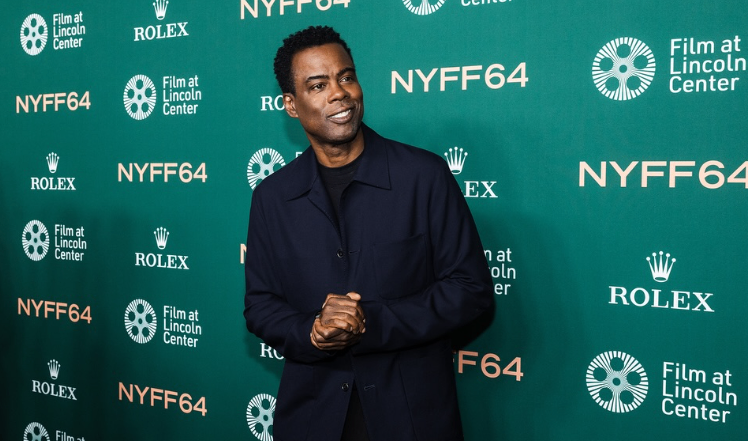
According to Calvin Fitch, PhD, a Harvard-trained clinical psychologist who provides culturally responsive care to Black men, outward success can sometimes conceal deep insecurity.
“Some of the most seemingly confident and successful people often struggle with very high levels of insecurity and self-doubt,” Fitch tells BlackDoctor. He explains that some people respond by flaunting visible signs of achievement, such as money, career accomplishments, or recognition. But those accomplishments don’t necessarily address the insecurity underneath.
“In chasing success indicators to avoid feeling like not enough, we reinforce the thought that we really are not enough,” Fitch explains.
Dana Cunningham, PhD, clinical psychologist and vice president of community outreach and engagement at Black Mental Wellness, says professional accomplishments don’t necessarily translate into emotional security.
“Success is not a golden ticket to feelings of high self-esteem or self-worth and may even amplify feelings of insecurity or self-doubt,” Cunningham tells BlackDoctor.
She explains that some people respond to those feelings by working longer hours, taking on additional responsibilities and constantly seeking validation, hoping no one will notice what they perceive as weaknesses.
Nicole Cammack, PhD, president and CEO of Black Mental Wellness, adds that chasing achievement can become a cycle when someone expects external success to resolve internal insecurity.
“The challenge is that the joy experienced from the achievement may be short lived,” she explains.
In other words, you can reach the goal, celebrate the win, and still wake up the next morning feeling like you have something to prove.
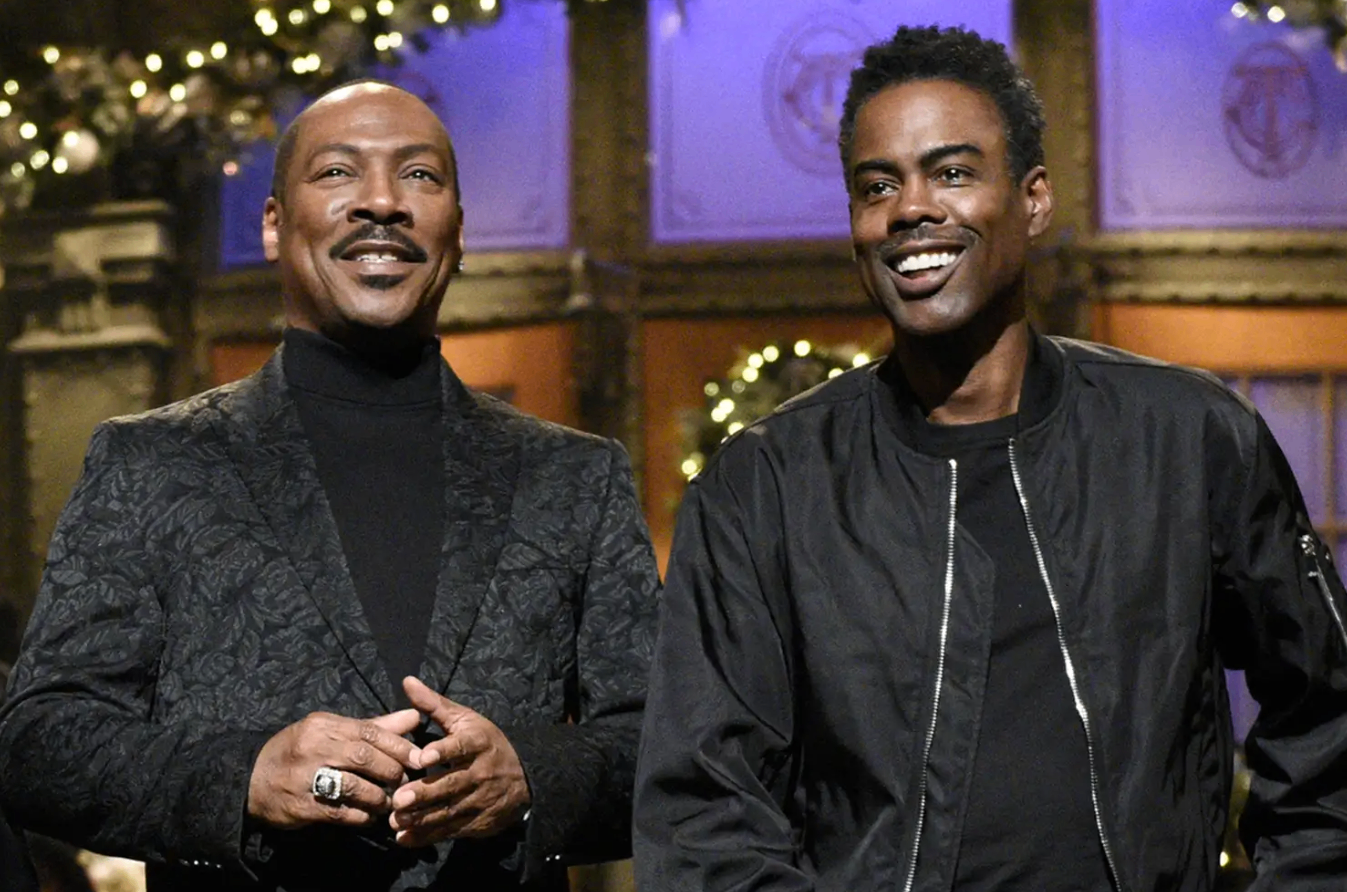
For all his success, Rock admits there are still people who make him question himself.
“An artist is an egomaniac with an inferiority complex,” he told The New York Times. “I would absolutely fall into that.” And there’s one comedian in particular who can bring out those insecurities. “Eddie Murphy makes me feel like that,” Rock admitted. “In the presence of Eddie Murphy, I can get a little insecure.”
It’s a funny confession coming from one of the most successful stand-up comedians of his generation. But Rock isn’t joking about the insecurity itself.
He also shared one of his biggest regrets: never being able to relax around Prince. The legendary musician apparently wanted to be friends. But Rock was so awestruck that he couldn’t stop being a fan long enough to enjoy the friendship.
“Hanging out, I couldn’t not be like, ‘Oh [expletive], Prince is drinking ice tea!’”
It’s classic Chris Rock: hilarious, slightly embarrassing and surprisingly revealing.
Jessica Henry, PhD, vice president of program development and evaluation at Black Mental Wellness, explains that insecurity can interfere with our ability to connect.
“Insecurity and intimidation can cause individuals to not be present in the moment,” Henry tells BlackDoctor.
Fitch describes another consequence of persistent insecurity: loneliness. “Over time, this can lead to situations in which we have a lot of company, but no real community—a group or place wherein we can show up authentically and be vulnerable.”
Rock’s stories about Murphy and Prince reveal how insecurity can show up and follow us into rooms where, from the outside view, we already belong.
RELATED: 9 Incredible Lessons on Loneliness From Jill Scott’s New Album
Rock’s openness about his insecurities also challenges familiar expectations about masculinity. Black men are often expected to be confident, accomplished, protective, and emotionally controlled, even when they’re struggling privately.
Fitch says those expectations can create a very difficult emotional burden. “Being the person who can do it all and take it all with no help or support,” he says, describing the strongman stereotype.
And when a man’s sense of worth becomes tied to appearing invulnerable, admitting insecurity may feel like admitting failure. Henry points out that some Black men have not had safe environments where they could express vulnerability without judgment. She says mental health spaces need to help men feel “understood, respected, and not pathologized.”
Rock talking openly about therapy offers a different picture of strength. He’s not saying he has figured everything out. But he is showing that even after decades of success, there’s still room to grow.
RELATED: “Strong Black Man” Hurts Black Men With Mental Health Issues
“From a mental health perspective, feeling that one is ‘enough’ often means feeling some combination of worthy, loved, and capable unconditionally,” Fitch explains.
The challenge comes when people attach their value to specific accomplishments. Maybe you believe you’re only enough if you earn a certain salary, are married, raise successful children, or are admired by others.
Therapy can help people identify those beliefs and understand where they began. Cunningham says this process may involve exploring the experiences that first made someone believe they weren’t enough. She explains that therapy can help people appreciate their growth without measuring their entire worth against their accomplishments.
“Comparing yourself to others may be a concern,” Cammack explains, when someone begins feeling like a failure whenever another person succeeds.
Fitch adds that cognitive behavioral therapy can help people recognize patterns of negative self-talk and how those thoughts influence their emotions and behaviors.
He also highlights liberation-oriented therapy, which considers how racism and other social pressures can influence Black people’s sense of worth.
The goal isn’t just to become better at managing insecurity. It’s also to question the expectations that helped create it.
RELATED: Black People Do Go to Therapy
Rock’s comments remind us that confidence and insecurity aren’t opposites. You can be successful and still have doubts. You can be admired and still struggle to accept yourself. And you can be the funniest person in the room while quietly wondering whether you’re doing enough.
The work is about learning to recognize when comparison, perfectionism, or outside expectations are ruling how you feel about yourself. After decades of making audiences laugh at life’s contradictions, Rock is learning to live with a few contradictions of his own.
Maybe the most important thing you can tell yourself isn’t that you need to work harder, accomplish more, or prove someone wrong. It’s something much simpler like, “You are enough, sir.”


By subscribing, you consent to receive emails from BlackDoctor.com. You may unsubscribe at any time. Privacy Policy & Terms of Service.