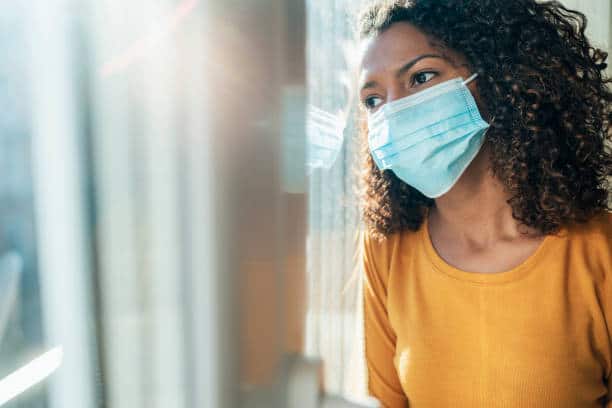
COVID-19 can take a heavy toll on the body, but new research shows that patients are also 60% more likely to suffer lingering mental and emotional woes in the year following their infection.
These problems included anxiety, depression, suicidal thoughts, opioid use disorder, illicit drug and alcohol use disorders, sleep disturbances, and problems thinking and concentrating.
“If after COVID-19 people are suffering from sleep problems or depression or anxiety, you’re not alone. We see thousands of people like you. Definitely seek help,” lead researcher Dr. Ziyad Al-Aly says. He is a clinical epidemiologist at Washington University School of Medicine in St. Louis and the Veterans Affairs St. Louis Health Care System.
Al-Aly believes these problems need to be taken seriously.
COVID and Mental Health: 3 Factors Helped Teens Stay Mentally Healthy During Pandemic
“I want us to pay more attention to things like that so they don’t balloon or become much larger crises down the road,” he shares. “We see an increased risk of opioid use. We see an increased risk of suicidal ideation, we see depression, we see anxiety, and to me, it’s almost like a perfect storm for another opioid epidemic and another suicide epidemic.”
Although it’s not clear how the virus affects the brain, Al-Aly believes the damage is done as COVID-19 enters brain cells.
“The virus can actually enter the brain and cause an array of different problems, including disruption of neuron connections, the elevation of some inflammatory markers, disruption of signaling, and changes in the architecture of the brain, which may also explain the brain fog or neurocognitive [thinking] decline,” he explains.
Doctors need to be on the lookout for these problems among patients who have recovered from COVID-19, Al-Aly notes.
“Physicians really need to understand that COVID-19 is a risk factor for these problems. So definitely ask about mental health, ask about sleep, ask about pain,” he adds. “Most importantly, diagnose these conditions early and address them before they become much, much worse crises down the road.”
For the study, Al-Aly and his colleagues used a U.S. Department of Veterans Affairs database to collect information on nearly 154,000 adults who had COVID-19 from March 1, 2020, through Jan. 15, 2021.
The researchers used these data to compare mental health outcomes with nearly 6 million people who didn’t have COVID-19 and another 6 million people from before the pandemic began.
Most of the participants were older white men, but because of the large size of the study, more than 1 million women and more than 2 million Black patients and adults of all ages were included.
Al-Aly’s team found that people who had COVID-19 were 35% more likely to suffer from anxiety, and nearly 40% more likely to suffer from depression or stress-related disorders. Among these patients, there was a 55% increase in the use of antidepressants, and a 65% increase in the use of benzodiazepines to treat anxiety.
These patients were also 41% more likely to have sleep disorders and 80% more likely to have thinking declines that included forgetfulness, confusion and a lack of focus, the researchers note.
COVID-19 patients were also 34% more likely to become addicted to opioids, 20% more likely to develop an addiction to alcohol or illegal drugs, and 46% more likely to have suicidal thoughts, the findings show.
The risk for mental problems was tied to the severity of the COVID-19 infection, the researchers found. Those with a mild case were 27% more likely to develop mental problems, while those with severe infection were 45% more likely to do so.
These risks were not seen with other diseases like influenza, Al-Aly says.
The report was published online Feb. 16 in the BMJ.
One expert thinks that the mental residue of the virus in some patients is a serious problem.
“I think the neurological, psychiatric impact of the virus is a second pandemic,” says Dr. Marc Siegel, a clinical professor of medicine at NYU Langone Medical Center in New York City. “In most cases, the brain fog clears, but we don’t know the full impact on this long term, and it’s very concerning.”
COVID and Mental Health: Suicide Rates Increased For Communities of Color During the Pandemic
Reducing the risk of these mental and emotional problems, and becoming addicted to drugs or alcohol is another reason why it’s important to get vaccinated.
Getting vaccinated lessens the risk of suffering from these problems. “Vaccination may decrease your risk of this, even if you’ve got a breakthrough [infection],” Siegel notes.
In addition to getting vaccinated and taking the proper precautions to protect yourself, the CDC suggests the following to cope with the stress of COVID in healthy ways:
If you are in crisis, get immediate help:


By subscribing, you consent to receive emails from BlackDoctor.com. You may unsubscribe at any time. Privacy Policy & Terms of Service.