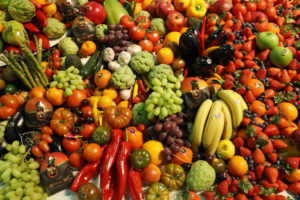
Eating a diet rich in fruits and vegetables can help reduce the risk of many leading causes of illness and death, including heart disease, type 2 diabetes, some cancers, and obesity. Yet, only 1 in 10 Americans eats enough fruits and vegetables each day, putting them at risk for chronic disease.
Fruit and vegetables are a good source of vitamins and minerals, including folate, vitamin C, and potassium, as well as an excellent source of fiber. Fruits and vegetables have been shown to help lower cholesterol, reduce blood pressure, and manage weight.
There are many reasons why adults in the U.S. fall short of the recommended intake of at least 1½ to 2 cups per day of fruit and 2 to 3 cups per day of vegetables. Studies have found that high cost, limited availability and access, and perceived lack of cooking/preparation time can be barriers to fruit and vegetable consumption. Some registered dietitians (RDs) believe fear-based messaging can also be a barrier.
In a recent survey of RDs, 94 percent agree that inaccurate, fear-based messaging regarding pesticide residues have a negative impact on consumers. That’s because it causes misplaced concern about whether conventionally-grown fruits and vegetables are safe to eat. And 95 percent of RDs agree that it is important for consumers to know that conventionally-grown produce is safe because not all consumers can afford organic produce. The majority of RDs surveyed also felt the Dirty Dozen list promotes fear and discourages the consumption of fruit and vegetables.
Each year the Environmental Working Group (EWG) releases their list of the 12 “dirtiest” fruit and vegetables, also known as the Dirty Dozen. In EWG’s announcement of its 2020 list, the headline stated that nearly 70 percent of the fresh produce sold in the U.S. contains residues of potentially harmful chemical pesticides. Messaging and marketing tactics such as this may cause unnecessary fears about the safety of fruits and vegetables due to pesticide residues. If presented in isolation, the statement may also negatively impact the consumption of nutrient-dense fruits and vegetables.
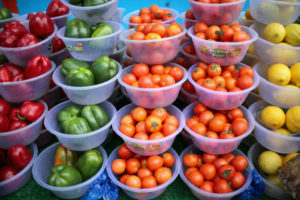
Choosing to eat organic produce is a personal choice that should be made based on scientific evidence and not fear. Peer-reviewed research found that the substitution of organic forms of produce for conventional forms, as suggested in the Dirty Dozen list, does not result in any decrease in consumer risk.
That’s because residues, if present at all, are so low. Moreover, both organic and conventional produce are grown with the use of pesticides. Even organic certification does not guarantee the produce is pesticide-free.
EWG recommends consumers purchase organic versions of produce on the Dirty Dozen list. However, when organic versions are unavailable or not affordable, EWG advises consumers to continue eating fresh produce, even if conventionally grown.
“Although we believe consumers should be concerned about pesticide residues on the food they eat, the health benefits of a diet rich in fruits and vegetables outweigh the risks of pesticide exposure,” said EWG Toxicologist Alexis Temkin, Ph.D. in the EWG release.
If you are concerned about residues, the Federal Food and Drug Administration advises you to wash all fresh produce—organic or conventionally grown, under running tap water. You should wash fruits and vegetables before preparing and before eating.
Even if you do not plan to eat the skin, it is still important to wash produce first, so dirt and bacteria are not transferred from the surface when peeling or cutting. Washing fruits and vegetables with soap, detergent, or commercial produce wash are not recommended.
You can also use the Pesticide Residue Calculator to find out how many servings of fruit or vegetable you would have to eat in one day to be at risk due to pesticide residue. Remember the health benefits of fruits and vegetables far outweigh the risks of pesticide exposure.
 Constance Brown-Riggs, is a registered dietitian, certified diabetes educator, national speaker and author of the Diabetes Guide to Enjoying Foods of the World, a convenient guide to help people with diabetes enjoy all the flavors of the world while still following a healthy meal plan. Follow Constance on social media @eatingsoulfully


By subscribing, you consent to receive emails from BlackDoctor.com. You may unsubscribe at any time. Privacy Policy & Terms of Service.