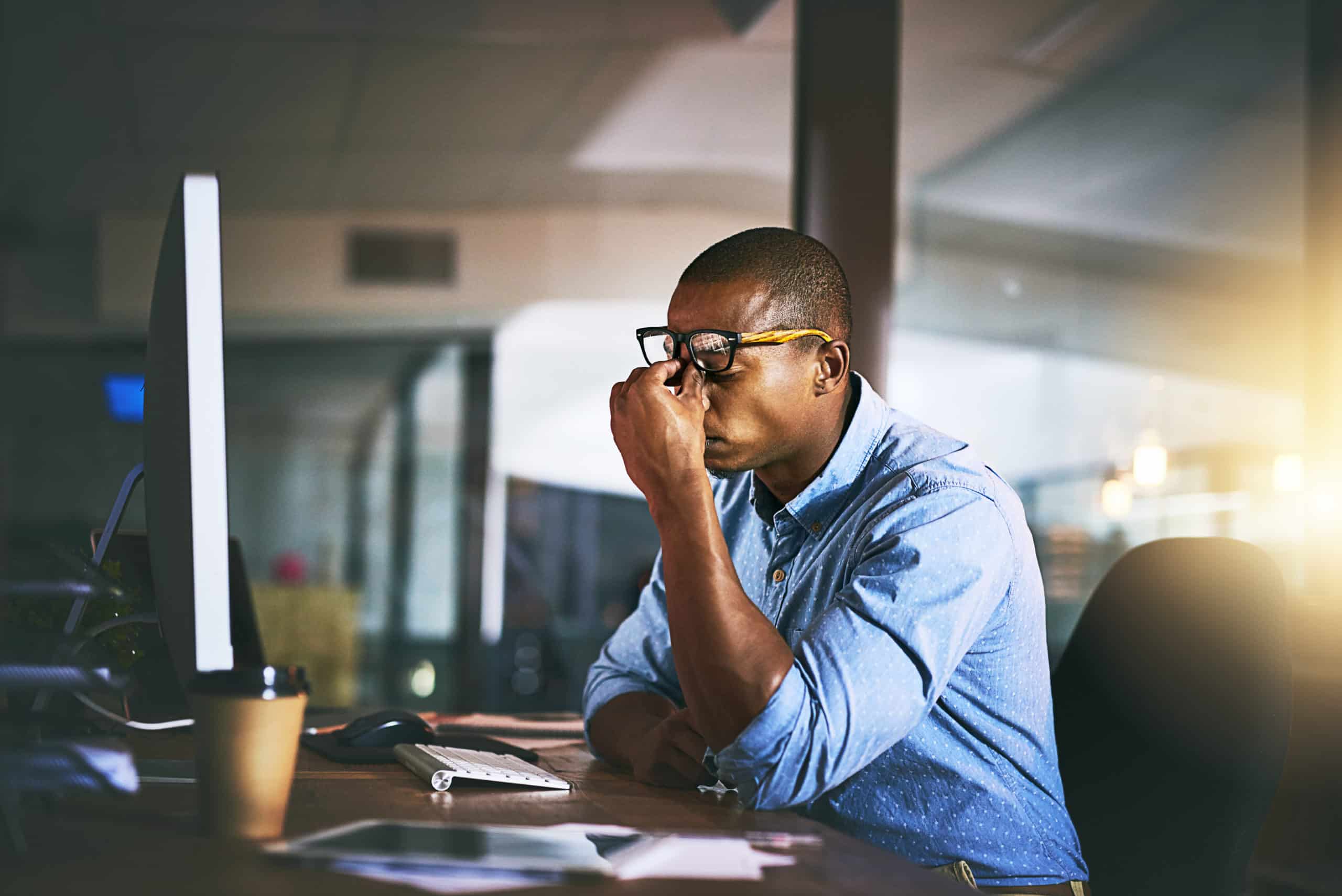
According to recent studies, a significant number of African Americans are suffering from sleep apnea and its effects. Unfortunately, only a small percentage of them have consulted a doctor about the issue and have been officially diagnosed. If you’ve been waking up tired even after sleeping all night then sleep apnea could be affecting you too.
Sleep apnea is a sleep disorder that is characterized by periods of disrupted slumber because the person stops breathing. Depending on the cause of the disorder, you may or may not be aware that you stopped breathing. There are three types of sleep apnea:
Obstructive sleep apnea – This happens when the throat muscles relax during sleep and physically obstruct the passage. Obstructive sleep apnea is the most common form of the disorder and persons are usually unaware that they stopped breathing because the body wakes briefly to resume breathing again.
Central sleep apnea – This form of the disorder is less common. It involves improper communication between the brain and breathing muscles. If you have central sleep apnea, you’re more likely to wake up fully during the night to start breathing again.
Complex sleep apnea syndrome – This is the rarest form. In this disorder, the person is dealing with a combination of the two areas listed previously.
Persons who are overweight, have heart disease, or a narrowed airway are more likely to have sleep apnea. It’s also more common in males as well as those who are older, smoke, and regularly take opioid-based medication.
The symptoms of sleep apnea can vary from one person to the other. It’s also possible for a partner to notice them before the one who is experiencing the symptoms. Generally, these issues are related to the way sleep apnea interrupts the sleep cycle. To get the full benefits of a good night’s sleep, your body needs to go through the sleep phases including deep sleep.
When you stop breathing frequently at night, your body may not get to complete full sleep cycles. This disruption results in the following symptoms:
Apart from the issues listed above, untreated sleep apnea can have significant negative effects on your health. Persons who do not sleep well have been known to increase blood pressure and cholesterol levels, which can lead to heart disease.
There may be issues with diabetes because of increased blood sugar levels. According to medical reports, persons with sleep apnea may also have abnormal liver function results as well as a higher chance of mood disorders.
Regardless of your symptoms, sleep apnea must be diagnosed by a doctor through a detailed sleep study. Once it is diagnosed, the next step is determining the cause of your sleep disorder. By addressing the cause, the doctor can design an appropriate treatment program. The right program can entail more than one element.
For example, someone who is overweight may be advised to undertake a rigorous weight management routine while also using a continuous positive airway pressure (CPAP) or bi-level positive airway pressure (BiPAP) machine to help them breathe at night. Mouthpieces are also an option.
Persons whose sleep apnea may have been caused by their medications might be prescribed drugs with fewer side effects. In rare cases, persons may need surgery to correct a physical impediment that is interfering with their throat muscles.
Feeling drowsy during the day is one of the tell-tale signs of sleep apnea so if that’s happening to you, watch out for other symptoms. Even if nothing else seems wrong, it’s worth checking out.


By subscribing, you consent to receive emails from BlackDoctor.com. You may unsubscribe at any time. Privacy Policy & Terms of Service.