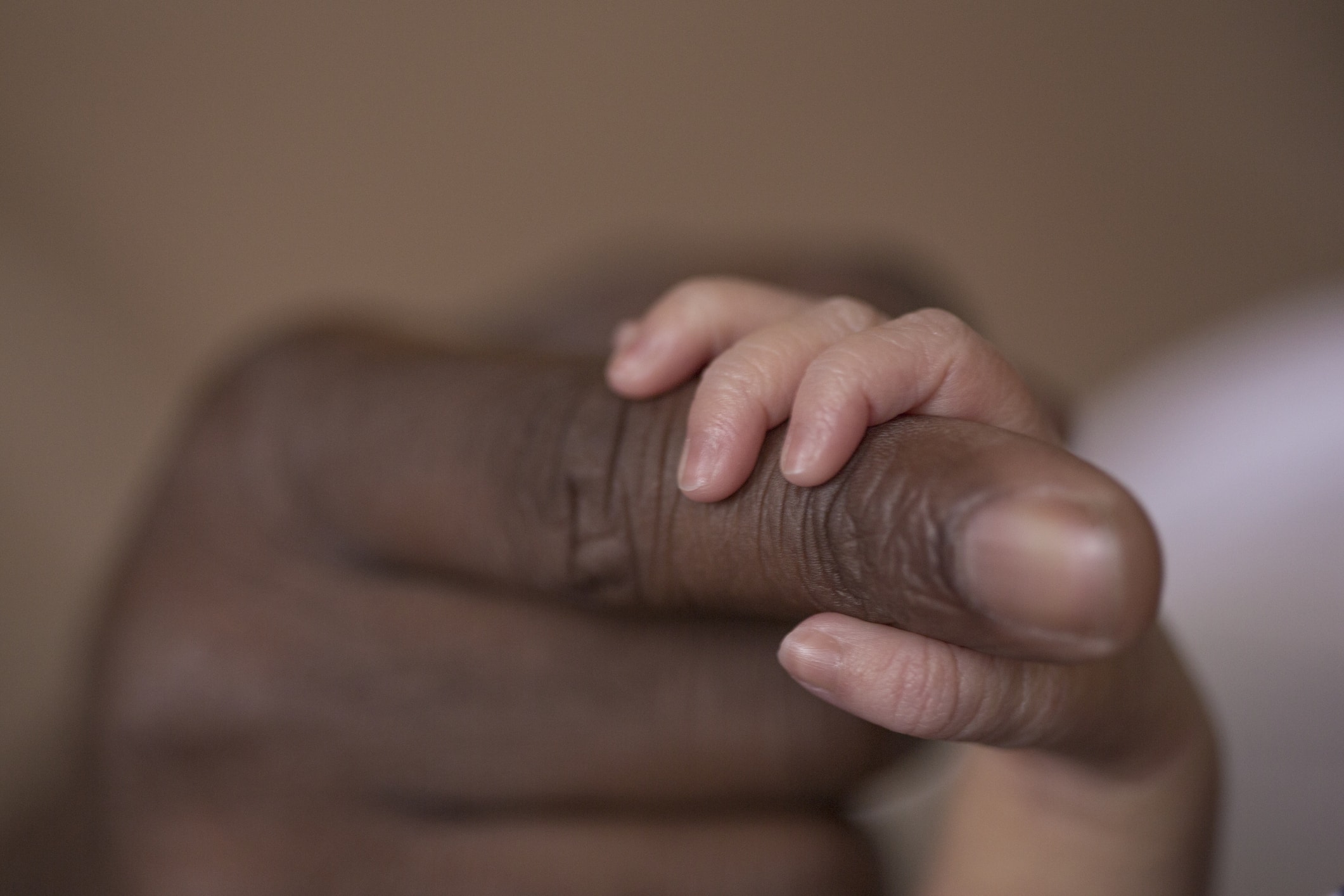
Having a baby can be one of the most joyous experiences in a woman’s life, but can also be a stressful period. With all of the physical changes, hormone fluctuations, and psychological changes present it is not uncommon to experience extreme fatigue, low mood, mood swings, irritability, or increased anxiety. It is so common that we think almost 80% of women experience this condition referred to as the baby blues.
The good news is that the baby blues is temporary, lasting approximately two weeks for most people. It also rarely requires any formal intervention and usually responds to increased support and reassurance.
In contrast, postpartum depression tends to be more severe and can be characterized by the following:
Unlike baby blues, Postpartum depression typically requires treatment. Treatment is commonly determined based upon the severity of symptoms, mom’s breastfeeding status, family history, etc.
In someone with mild to moderate depression, the mother may decide to pursue talk therapy only to deal with depressive symptoms. In more moderate to severe cases, a combination of antidepressant medication and talk therapy may be recommended.
In addition to therapy and medication, there are some behavioral changes that can be made to help deal with the symptoms of both baby blues and postpartum depression.

Talk about it
Moms often think that they are the only ones dealing with these issues or they are worried about being seen as not able to handle being a mom, so they are hesitant to discuss these topics.
Talk to the other moms in your life about their postpartum experiences. Don’t hesitate to talk to your support system about what is going on. Talk with your OB about your mood changes during pregnancy. Be aware of your moods and pay attention to whether things are getting worse or not.
Sleep when baby sleeps
Don’t hesitate to catch naps during the day, especially early on when baby is sleeping more during the day. Moms will often wear themselves out trying to keep up with household chores and being productive when in reality they need sleep to recharge during this period more than ever.
If you have the support, allowing someone else to get up with baby in the middle of the night a couple of nights weekly can give you the consistent sleep that is needed.
Call in reinforcements
If you have people in your life willing to help during this time, let them. Moms, especially new moms, find themselves worried that they will be seen as weak or not a good mother.
They may be concerned about being a burden to others. Many have people in their lives willing to come let them catch a nap during the day, cook a meal, help with laundry, or other light housework. Taking those items off your plate can free you up to get the rest your body needs and bond with your new baby.
Stigma associated with psychiatric disorders makes it difficult for people to speak up when suffering, so if you know a new mom, take a moment to ask how she is doing. One of the best things you can do is provide a safe space for her to share what she is experiencing without receiving judgment or ridicule.


By subscribing, you consent to receive emails from BlackDoctor.com. You may unsubscribe at any time. Privacy Policy & Terms of Service.