Menu

Mood Taking a Hit Every Winter? There May Be a Reason for That

Table of Contents
SAD

For a lot of people, depressive episodes can occur at any time, either in response to a life stressor or spontaneously with no identifiable trigger. However, there are others whose episodes are more predictable because they typically occur at a particular time of year.

This type of depression is known as Seasonal Affective Disorder (SAD) and as the name implies, many individuals with (SAD) have a seasonal component to their depression and may notice that they are experiencing depressive symptoms in the fall or winter with improvement in the spring, even without any kind of treatment. While rare, it is also possible to experience seasonal depression during the spring and summer months.

RELATED: Feeling SAD? 5 Ways to Combat Seasonal Depression

Featured on BlackDoctor

What are the symptoms of SAD?

The symptoms of SAD are the same as a regular depressive episode where an individual experiences at least one of these symptoms for at least 2 weeks:

  • Feeling down, or sad
  • Inability to find joy in things they used to enjoy doing

Other depressive symptoms may include:

  • Sleep disturbance (either decreased or increased)
  • Decreased interests or pleasure
  • Feelings of guilt or worthlessness
  • Loss of energy or fatigue
  • Problems with concentration or memory
  • Appetite or weight changes (decreased or increased)
  • Feelings of restlessness or feeling like your movements are slowed
  • Suicidal thoughts or hopelessness

In addition to the symptoms listed above, there may be some variation between the fall-onset SAD and spring-onset SAD.

Those who are dealing with fall-onset depression typically include features that are considered atypical such as increased

appetite (especially increased carbohydrate cravings), weight gain, and sleeping more than usual.

They would notice that the majority, if not all, of their depressive episodes, occur in the fall and winter months. Those with a spring-onset SAD may notice the opposite and experience decreased sleep, decreased appetite, and weight loss.

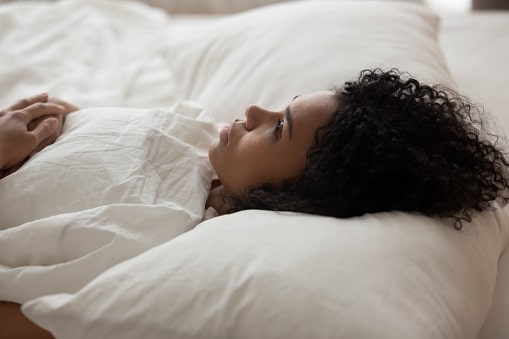
While there are several theories as to the cause of depression with a seasonal pattern, a quite common theory is that this fall-onset depression is caused by a decrease in natural daylight during the winter months. SAD appears to be more common among women, younger adults and those who live in Alaska, Canada, and U.S. northern border states (because of high latitude).
SAD

RELATED: Are You SAD? How To Recognize & Treat Seasonal Affective Disorder

How to handle your depression

Intuitively, since they know when it is coming, lots of people adapt and find themselves making behavioral changes to handle their depression.

By doing things like ensuring they are achieving adequate sleep, leaning into their support system, following a healthier diet, and increasing exercise; they are taking part in activities that can help a mild to moderate low mood significantly.

For those who need more than these behavioral modifications, treatment generally consists of three components:

  • Light therapy – Light therapy includes spending time in front of bright lamps during the day, mostly in the early morning hours. This should be done under the instruction of a physician since there are specific recommendations about the amount of lux (light intensity measurement) required to be effective and because there are some medical conditions and medications that require closer monitoring of use. While this has been shown to be effective, some people do not like it due to the inconvenience of having to use the light in the morning when they are often busy getting ready for the day.
  • Antidepressants – Treatment with antidepressants has been found to help people with depression, including those with a seasonal component. There are several options available, but everyone with depression doesn’t necessarily need an antidepressant. The antidepressant can be taken year-round or can be stopped in spring and restarted annually in the fall/winter months (or vice versa for the spring-onset variant). Whether you will use an antidepressant and on what schedule will depend upon the severity of your symptoms and your preferences.
  • Psychotherapy – Psychotherapy, also known as talk therapy or counseling, is an effective treatment option for any kind of depressive episode and one that I strongly recommend to anyone with depression.

If you are someone who finds it difficult to function as well during the winter months and struggles with getting out of bed for work, socializing, focusing on work, weight gain or lower mood this time of year, you just may be dealing with Seasonal Affective Disorder and should strongly consider talking to your doctor about what can be done.


Dr. Nicole Washington is a board-certified psychiatrist, speaker, author and host of The C-Suite Confidant, a bimonthly podcast covering topics pertinent to mental wellness for the busy professional. She enjoys discussing and providing education on all things mental health in hopes of decreasing the stigma associated with mental health disorders. She can be followed on Facebook, Instagram, Twitter and LinkedIn.


SHARE
Related Stories
Answer the question below

Gout Survey

People with gout often have sudden, painful flares of joint swelling and redness. How many gout flares have you experienced in the last 12 months?
Have you ever received intravenous medicine for your gout?

Get our Weekly Newsletter

Stay informed on the latest breakthroughs in family health and wellness. Sign up today!

By subscribing, you consent to receive emails from BlackDoctor.com. You may unsubscribe at any time. Privacy Policy & Terms of Service.

More from BlackDoctor

Where Culture Meets Care

BlackDoctor is the world’s largest and most comprehensive online health resource specifically for the Black community. BlackDoctor understands that the uniqueness of Black culture - our heritage and our traditions - plays a role in our health. BlackDoctor gives you access to innovative new approaches to the health information you need in everyday language so you can break through the disparities, gain control and live your life to its fullest.
✦ AI Search Disclaimer
This AI-powered search tool helps you find relevant health articles from the BlackDoctor.org archive. Please keep the following in mind:
✦ For Informational Purposes Only
The information provided through this AI search is for general educational and informational purposes only. It is not intended as a substitute for professional medical advice, diagnosis, or treatment.
✦ Always Consult a Healthcare Provider
Never disregard professional medical advice or delay seeking it because of something you have read through this search tool. If you have a medical emergency, call your doctor or 911 immediately.
✦ AI Limitations
This search tool uses artificial intelligence to help match your queries with articles in our archive. While we strive for accuracy, AI-generated results may occasionally be incomplete, outdated, or not fully relevant to your specific situation.
✦ No Doctor-Patient Relationship
Using this search tool does not create a doctor-patient relationship between you and BlackDoctor.org or any healthcare provider.
Explore over 35,000 articles and videos across black health, wellness, lifestyle and culture
Full AI Search Experience >
×

Download PDF

Enter your name and email to receive the download link.

BlackDoctor AI Search