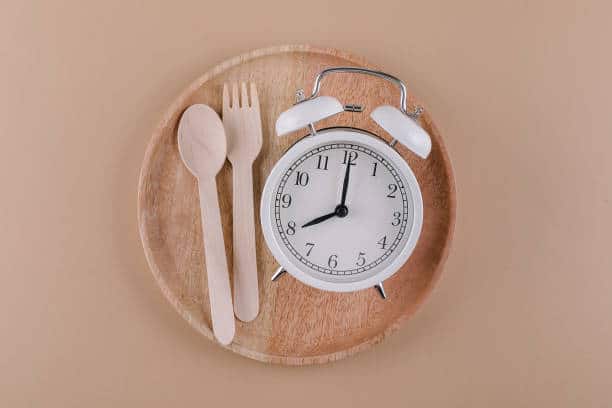
By now you know that what you eat can impact your brain, but you probably never factored the time you eat into the equation.
“Future studies in shift workers and clinical populations are required to firmly establish if changes in meal timing can prevent their increased mood vulnerability,” Frank Scheer, director of the medical chronobiology program in Brigham and Women’s Hospital’s Division of Sleep and Circadian Disorders in Boston, said in a hospital news release. “Until then, our study brings a new ‘player’ to the table: the timing of food intake matters for our mood.”
About 20% of the workforce in industrial societies does shift work in places like factories and hospitals. These workers often experience a misalignment between their central “circadian clock” in the brain and daily behaviors, including sleep/wake and fasting/eating cycles, according to the study. They also have about a 25% to 40% higher risk of depression and anxiety.
The study enrolled 12 men and seven women in a randomized, controlled study. Participants underwent a “forced desynchrony” protocol in dim light for four 28-hour “days” instead of 24-hour days.
By the fourth “day,” their behavioral cycles were inverted by 12 hours, which simulated night work and caused circadian misalignment, researchers said.
RELATED: 4 Ways Intermittent Fasting Can Improve Your Health
Participants were then randomly assigned to one of two meal timing groups. In the control group, meals were eaten on a 28-hour cycle, which meant folks were eating both during the night and day. This is a typical schedule for night workers.
In the daytime-only meal intervention group, participants ate meals on a 24-hour cycle, which meant they were eating only during the day.
While this was ongoing, the research team assessed mood levels every hour.
By day 4, for those in the daytime/nighttime meal group, their depression-like mood levels had increased by
26% and anxiety-like mood levels by 16%.
The daytime-only group had no mood changes.
The participants with a greater degree of circadian misalignment experienced more mood changes, the authors said.
When the main circadian clock in the brain is out of sync with our eating rhythms, it impacts the brain’s ability to function fully. Irregular meal times can also contribute to poor maintenance of moods for people with depression and bipolar disorder.
So when exactly is the best time to eat?
Intermittent fasting, also known as restricting the eating window to a certain amount of time during the day (typically four to 12 hours), is the best way to optimize brain function, energy metabolism and the healthy signaling of metabolic hormones.
Research has already shown that intermittent fasting can prevent depression and anxiety symptoms. Even better, eating on a regular schedule is also beneficial to reduce the risk of health issues such as obesity, diabetes and cardiovascular disease.
RELATED: The Skinny On Intermittent Fasting
If you want to begin intermittent fasting, the following tips will help ease you into the transition:


By subscribing, you consent to receive emails from BlackDoctor.com. You may unsubscribe at any time. Privacy Policy & Terms of Service.