
How healthy (or not) certain foods are for us, and for the environment, is a hotly debated topic among experts and consumers alike.
While there is no such thing as a 100% easy answer, the following are seven things that even the food experts (like food preparers, factory workers and farmers) won’t touch.
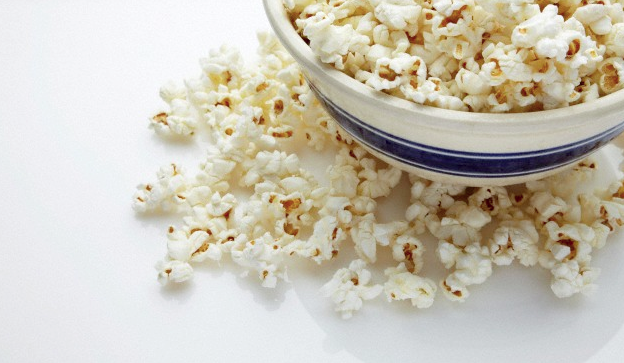
1. Microwave Popcorn
The problem: Chemicals, including perfluorooctanoic acid (PFOA), in the lining of the bag, are part of a class of compounds that may be linked to infertility in humans, according to a recent study from UCLA. In animal testing, the chemicals cause liver, testicular, and pancreatic cancer. Studies show that microwaving causes the chemicals to vaporize-and migrate into your popcorn. They stay in your body for years and accumulate there, which is why researchers worry that levels in humans could approach the amounts causing cancers in laboratory animals. DuPont and other manufacturers have promised to phase out PFOA by 2015 under a voluntary EPA plan, but millions of bags of popcorn will be sold between now and then.
The solution: Pop natural kernels the old-fashioned way: in a skillet. For flavorings, you can add real butter or dried seasonings, such as dillweed, vegetable flakes, or soup mix.

2. Corn-Fed Beef
The problem: Cattle evolved to eat grass, not grains. But farmers today feed their animals corn and soybeans, which fatten up the animals faster for slaughter. More money for cattle farmers (and lower prices at the grocery store) means a lot less nutrition for us. A recent comprehensive study conducted by the USDA and researchers from Clemson University found that compared with corn-fed beef, grass-fed beef is higher in beta-carotene, vitamin E, omega-3s, conjugated linoleic acid (CLA), calcium, magnesium, and potassium; lower in inflammatory omega-6s; and lower in saturated fats that have been linked to heart disease. We need to respect the fact that cows are herbivores, and that does not mean feeding them corn and chicken manure.
The solution: Buy grass-fed beef, which can be found at specialty grocers, farmers’ markets, and nationally at Whole Foods. It’s usually labeled because it demands a premium, but if you don’t see it, ask your butcher.
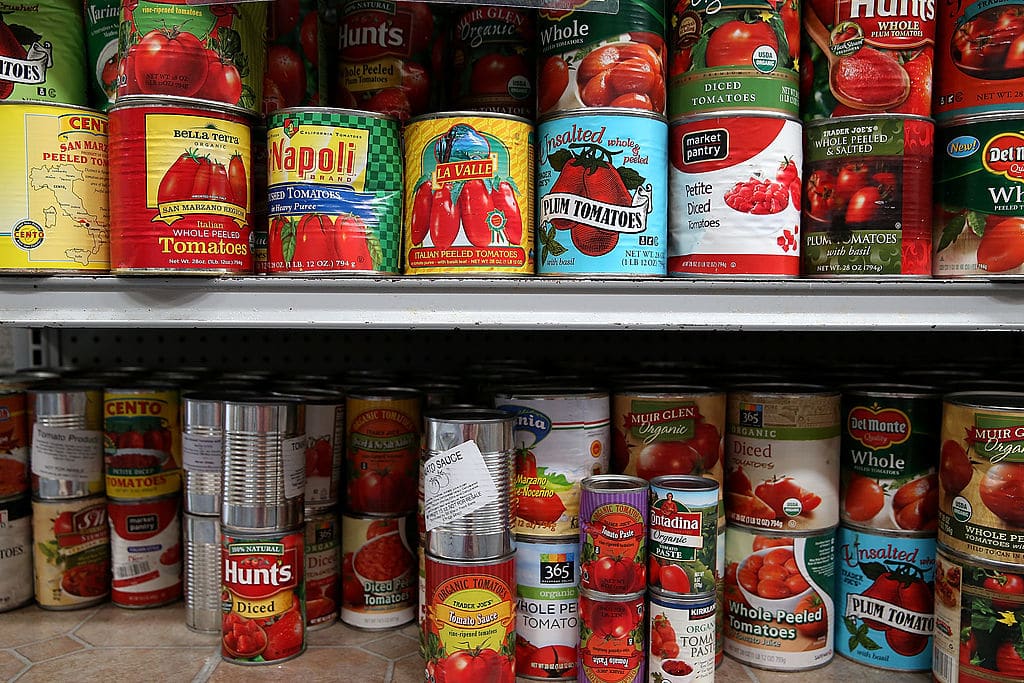
3. Canned Tomatoes
The problem: The resin linings of tin cans contain bisphenol-A, a synthetic estrogen that has been linked to ailments ranging from reproductive problems to heart disease, diabetes, and obesity. Unfortunately, acidity (a prominent characteristic of tomatoes) causes BPA to leach into your food. Studies show that the BPA in
most people’s body exceeds the amount that suppresses sperm production or causes chromosomal damage to the eggs of animals. You can get 50 mcg of BPA per liter out of a tomato can, and that’s a level that is going to impact people, particularly the young.
The solution: Choose tomatoes in glass bottles (which do not need resin linings), such as the brands Bionaturae and Coluccio. You can also get several types in Tetra Pak boxes, like Trader Joe’s and Pomi.
READ: The Hairstyles That Will Make Your Face Look Thinner
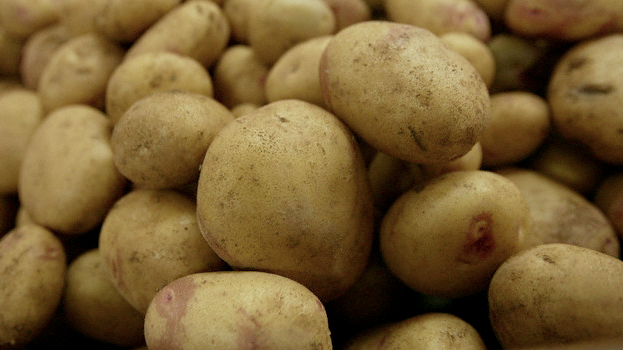
4. Nonorganic Potatoes
The problem: Root vegetables absorb herbicides, pesticides, and fungicides that wind up in soil. In the case of potatoes-the nation’s most popular vegetable-they’re treated with fungicides during the growing season, then sprayed with herbicides to kill off the fibrous vines before harvesting. After they’re dug up, the potatoes are treated yet again to prevent them from sprouting. Try this experiment: Buy a conventional potato in a store, and try to get it to sprout. It won’t. Several potato growers say point-blank they would never eat the potatoes they sell. They have separate plots where they grow potatoes for themselves without all the chemicals.
The solution: Buy organic potatoes. Washing isn’t good enough if you’re trying to remove chemicals that have been absorbed into the flesh.
READ: How Does Your Commute Affect Your Health?

5. Farmed Salmon
The problem: Nature didn’t intend for salmon to be crammed into pens and fed soy, poultry litter, and hydrolyzed chicken feathers. As a result, farmed salmon is lower in vitamin D and higher in contaminants, including carcinogens, PCBs, brominated flame retardants, and pesticides such as dioxin and DDT. The most contaminated fish come from Northern Europe, which can be found on American menus. You can only safely eat one of these salmon dinners every 5 months without increasing your risk of cancer. It’s that bad. Preliminary science has also linked DDT to diabetes and obesity, but some nutritionists believe the benefits of omega-3s outweigh the risks. There is also concern about the high level of antibiotics and pesticides used to treat these fish. When you eat farmed salmon, you get dosed with the same drugs and chemicals.
The solution: Switch to wild-caught Alaska salmon. If the package says fresh Atlantic, it’s farmed. There are no commercial fisheries left for wild Atlantic salmon.

6. Cold Cuts
The problem: Cold cuts have been labeled at “high risk” of causing listeriosis by a joint team of researchers from the USDA, FDA, and CDC. While only 3 percent of the deli meats sampled contained Listeria at the point of purchase, the bacteria’s rapid growth rate on cuts stored even under ideal conditions concerned researchers. Combine that with the fact that cold cuts are, well, eaten cold, and you’ve got trouble; Listeria thrives at refrigerator temperatures that stun other foodborne pathogens.
The solution: The most likely source of Listeria-contaminated cold cuts is the deli slicer. Aside from asking the clerk to stop and clean the slicer before handling your order, the best you can do is either avoid cold cuts, or avoid delis that are obviously dirty and stick with those that are annoyingly busy. Meats that rotate through a deli quickly have less opportunity to bloom with Listeria.
READ: The Most Expensive iPad…Ever
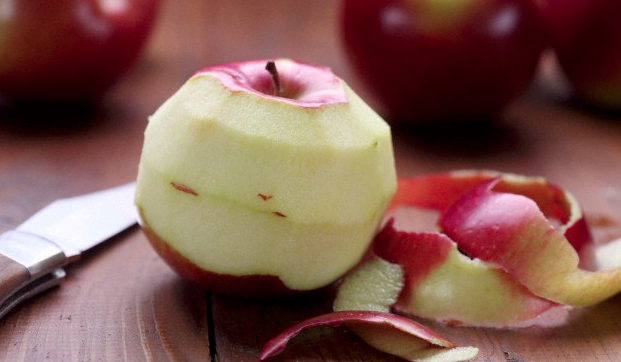
7. Conventional Apples
The problem: If fall fruits held a “most doused in pesticides contest,” apples would win. Why? They are individually grafted (descended from a single tree) so that each variety maintains its distinctive flavor. As such, apples don’t develop resistance to pests and are sprayed frequently. The industry maintains that these residues are not harmful. It’s just common sense to minimize exposure by avoiding the most doused produce, like apples. Farm workers have higher rates of many cancers. And increasing numbers of studies are starting to link a higher body burden of pesticides (from all sources) with Parkinson’s disease.
The solution: Buy organic apples. If you can’t afford organic, be sure to wash and peel them first.


By subscribing, you consent to receive emails from BlackDoctor.com. You may unsubscribe at any time. Privacy Policy & Terms of Service.