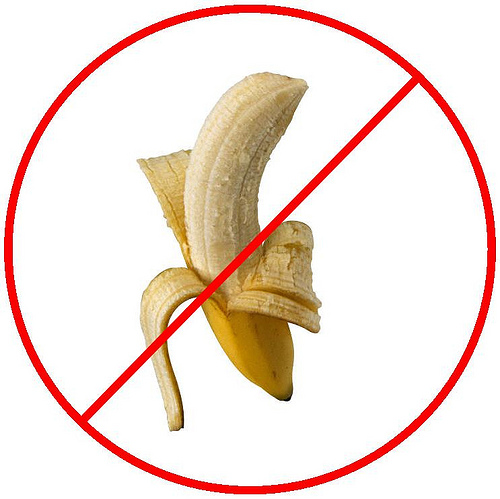
Instead of grabbing a banana before your next workout, you may want to consider an even better option. It’s true that bananas are a great source potassium, a key nutrient for building muscle strength, heart health and nerve function, but at 422 mg the typical medium-size banana falls shorts of these other five potassium-packed foods.
RELATED: Don’t Go Bananas – But Maybe Eat One
Spinach
With an insane 839 mg of potassium per cup, you should be adding spinach to your diet every day! You don’t have to just do salads, either. Spinach in a smoothie or on a juicy burger is just as delicious.
RELATED: Health Benefits Of Spinach
Yogurt
Whether you eat yogurt solo or use it as the base of a smoothie, a single 8 ounce serving has an estimated 579 mg of potassium.
RELATED: The Surprising Power Of Yogurt
Sweet potato
This superfood is packed with vitamins and a medium-sized baked sweet potato has 542 mg of potassium.
White beans
In the mood for chili? You should be – just a half cup of white beans has around 502 mg of potassium.
READ THIS: Power-Packed Beans: Enhancing Fiber Intake and Overall Health
Avocado
Avocados are loaded with the “good” fats your body needs. Next time you’re enjoying some delicious guacamole, remember that there’s 487 mg of potassium in just one half of an avocado. Eat up guilt-free!
ALSO READ: Avocados Do a Heart Good, Here Are 7 Ways to Add Them to Your Diet
IF YOU LIKE THIS, YOU MAY LIKE: 13 Foods That Have More Vitamin C Than Oranges
Visit the BlackDoctor.org Food center for more articles and tips.
Potassium is a mineral that most of us get every day through the foods we regularly eat — and that’s a good thing. “Potassium is a mineral necessary for good health,” explains Alexa Schmitt, a clinical nutritionist at Massachusetts General Hospital. “It aids in maintaining heart health by helping to regulate the fluid balance in the body.”
Potassium is classified as an electrolyte, which means that it carries an electric charge in your body. The body needs balanced amounts of electrolytes — including potassium, sodium, magnesium, and others — to keep the blood chemistry at the right levels so that your body can function at its best. Potassium also helps your body put the protein you eat to work, building muscle, bones, and other cells.
Who Needs to Pay Attention to Potassium?
Even though potassium helps our bodies in many ways, Schmitt says she cannot simply make a blanket recommendation about eating more potassium. That’s because different people need different amounts of potassium, depending on their overall health.
So who needs to watch their potassium intake?
• People with kidney disease are at risk of having too much potassium in the blood. They tend to retain potassium because their kidneys don’t get rid of extra potassium as normal kidneys would. Hyperkalemia, or high levels of potassium in the blood, can be caused by a number of things (including certain medications and hormonal deficiencies), but kidney disease is the most common culprit. High levels of potassium can lead to irregular heartbeats. Therefore, your doctor may periodically check your potassium levels, especially if you have kidney disease.
• People with high blood pressure are at increased risk for having low potassium levels (hypokalemia) because some high blood pressure medications can deplete potassium levels in the blood. Other conditions that can cause low potassium include vomiting, diarrhea, and eating disorders. Certain laxatives and diuretics have been found to cause low potassium as well. Low potassium is characterized by weakness, fatigue, constipation, and muscle cramps. If your potassium level becomes too low, it can also affect your heartbeat. Talk with your doctor about monitoring your potassium levels if you take high blood pressure medication or have a condition that may cause low potassium.
Foods High in Potassium
Though a lot of people associate bananas with potassium, there are a number of other foods that are high in potassium, which Schmitt defines as having at least 350 milligrams of potassium per serving.
In addition to bananas, Schmitt’s high-potassium food favorites include dried apricots, cantaloupe, beets, figs, honeydew melon, and orange juice. “Cantaloupe and honeydew are great [for potassium] because people tend to eat more cantaloupe in one sitting than they would bananas or dried apricots,” she says. Other foods that are high in potassium include potatoes (with the skin on), soy products, dairy products, and meats.
Many of us already enjoy foods that are high in potassium, but if you’re worried about your potassium intake because of conditions such as high blood pressure or kidney disease, talk to your doctor or see a nutritionist. They can help you plan a healthy diet.


By subscribing, you consent to receive emails from BlackDoctor.com. You may unsubscribe at any time. Privacy Policy & Terms of Service.