“Hysterectomy was the only option my doctor gave me.”
As a physician who has spent my career treating uterine fibroids without surgery and increasing fibroid awareness across the nation, I hear this sentence far too often.
The stories are always similar—that hysterectomy, or the surgical removal of the uterus, is the only treatment offered. Most of these women are unfamiliar with uterine fibroid embolization (UFE), a safe, outpatient, nonsurgical alternative. Almost all of the women telling me these experiences are African American.
Allow me to introduce myself. My name is John Lipman, MD, and I am a board certified interventional radiologist, renowned fibroid expert, and UFE specialist.
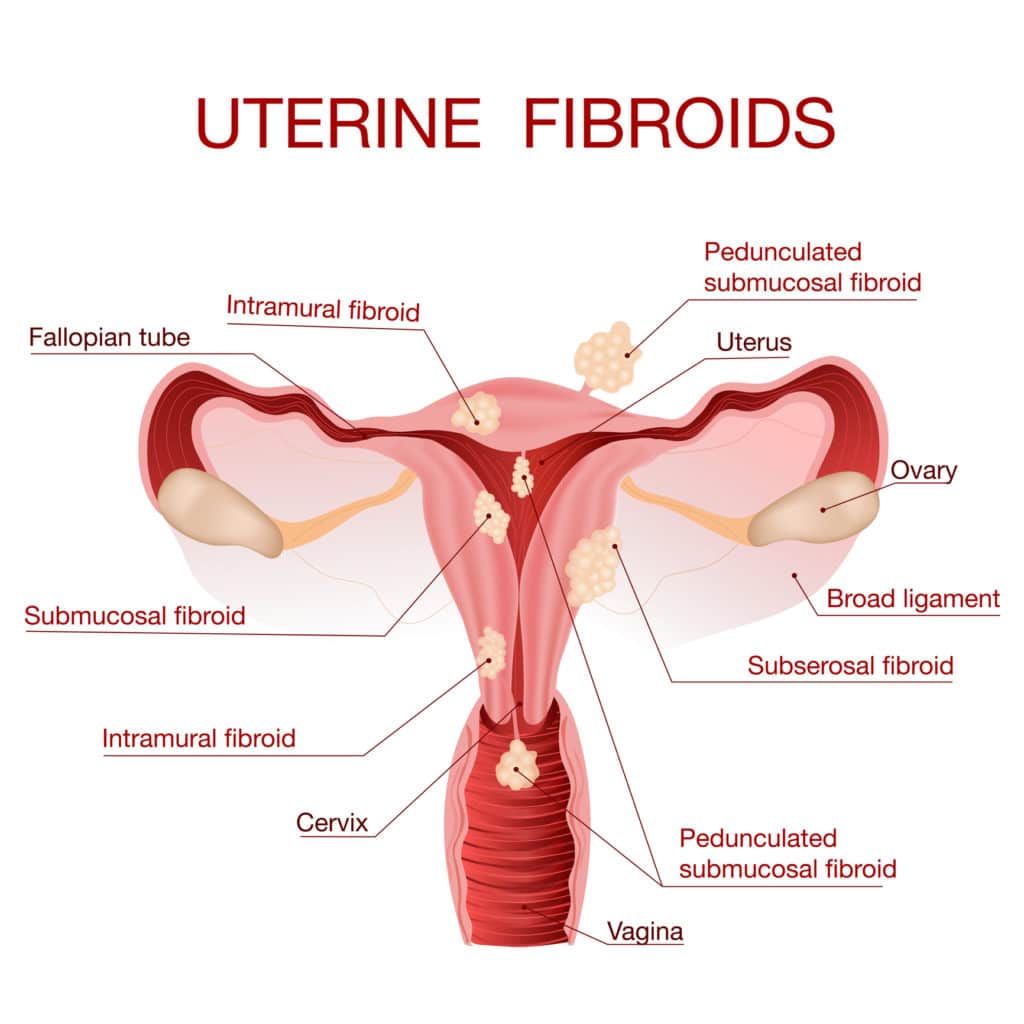
An estimated 11 million women1 in the U.S. are diagnosed with fibroids (noncancerous tumors in the uterine wall) and consequently many experience debilitating symptoms. These include heavy menstrual bleeding, pelvic pain and pressure, increased urinary frequency and waking up at night to urinate (nocturia), painful sex, and in some cases infertility. Eighty percent2 are women of color.
Research has shown that while Caucasian women undergo hysterectomy for uterine cancer (entirely appropriate), African American women are more likely to undergo hysterectomy for benign fibroids.3
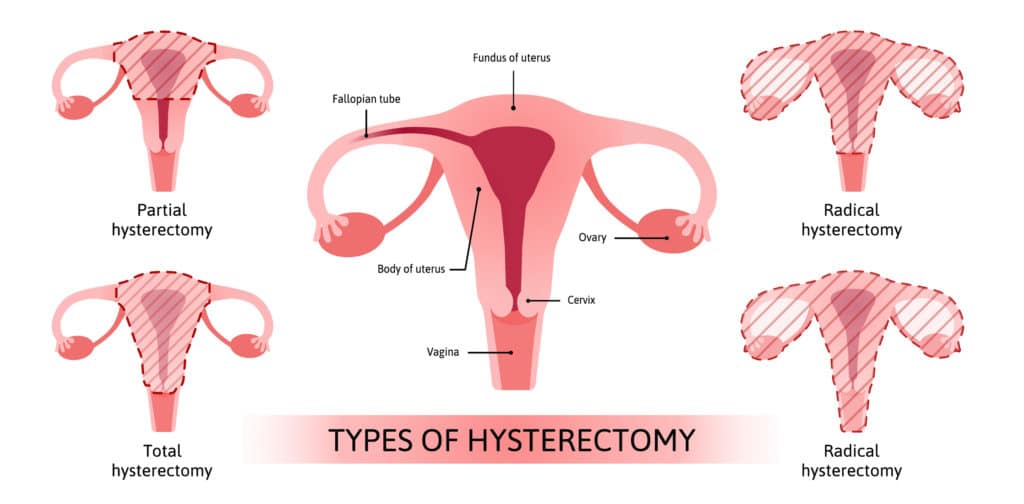
Hysterectomy is a fibroid treatment option—but should be one of last resort. Hundreds of thousands of hysterectomies are done each year in the United States and the number one reason is fibroids.
The average age of a woman undergoing hysterectomy is
less than 40 years of age, and unfortunately, I have seen many women younger than 30 years of age who needlessly underwent hysterectomy for this reason. None wanted to, but it was the only option given to them by their doctor.
In addition, a number of studies 6 have shown that most women with symptomatic fibroids never hear about less invasive treatment options like Uterine Fibroid Embolization (UFE). UFE is performed by Interventional Radiologists (not Gynecologists) who are physicians specifically trained in image-guided, minimally invasive procedures all over the body. Compared to surgery, these procedures are safer, less invasive, less expensive, and have a shorter recovery.
All too often women who suffer with fibroids and are not interested in future fertility are told that they no longer need their uterus. Hysterectomy has been associated with numerous documented physical4 and mental health issues.5 The uterus has many important functions; only one of which is the ability to bear children.
The uterus is the epicenter of a woman’s identity, and the loss of her uterus can affect her psychologically similar to a man who has been castrated. A number of women after hysterectomy suffer sexual dysfunction (exs. loss of libido, loss of the ability to orgasm). Many leak urine after hysterectomy surgery; requiring them to constantly wear pads or even a diaper.
In my experience, UFE can replace the need for surgical treatment in almost every instance. The procedure works by blocking blood flow to the fibroids, resulting in tumors dying and symptoms dramatically improving or resolving completely. It has an approximate 90% success rate.7 Compared to hysterectomy, UFE is also less expensive,6 does not require
a hospital stay,6 and has a shorter recovery time.6
Above all, it allows women to keep their uterus, which means pregnancy and safe childbirth are possible.6 Numerous babies have been born to my patients after UFE (even a number of twin births). These births are usually full-term and vaginal, whereas those women who get pregnant following myomectomy (surgically removing a portion of the fibroid burden) will need to be delivered via cesarean section (i.e. more surgery).
Several of my patients are now UFE advocates, including Real Housewives of Atlanta Cynthia Bailey, former WNBA player Teresa Edwards, and Emmy Award-winning WSB-TV Atlanta news anchor Jovita Moore.
These women and others have spoken out about how truly transformational UFE is. Women’s lives are restored and they no longer have to plan everything they do (or not do) around their menstrual period.
Recently, Vice-Presidential candidate and US Senator Kamala Harris and US Representative Yvette Clarke introduced (S. 4397 & H.R. 6383) the Uterine Fibroid Research & Education act. Research in uterine fibroids has heretofore been scant. This legislation will help to increase funding for fibroid research and educational efforts.
It will be a step toward bringing more awareness to this condition, perhaps begin to understand where fibroids actually come from, and how to prevent them. It should also highlight less invasive options like UFE, so that women understand that if they are suffering with fibroids they do not need to undergo surgery.
Women with symptomatic fibroids deserve to know all of their treatment options, not just the surgical ones. To learn more about fibroids or the UFE procedure, please click on the link ATLii.com.
John C. Lipman, MD, FSIR
Founder and Medical Director
Atlanta Fibroid Center
REFERENCES

By subscribing, you consent to receive emails from BlackDoctor.com. You may unsubscribe at any time. Privacy Policy & Terms of Service.