Despite a nationwide effort to control blood pressure, the number of seniors hospitalized for a sudden, sharp rise in blood pressure surged over the last two decades in the United States. The largest increase was among Black Americans, with the highest rates in the South, new research shows.
The aim of the study was to “evaluate whether we have made any progress in the last 20 years about preventing hospitalization for acute hypertension. And the answer is no,” lead study author Yuan Lu. She’s an assistant professor of cardiovascular medicine at Yale University’s Center for Outcomes Research and Evaluation (CORE) says.
RELATED: Surprising Factors That Could Be Spiking Your Blood Pressure
The analysis of data on Medicare beneficiaries older than 65 found that hospitalizations for these severe jumps in blood pressure more than doubled between 1999 and 2019.
The overall annual hospitalization rate for high blood pressure emergencies increased by 5.6% during that time, but increased by 6% among Black people. Black patients also had a three times higher rate of hospitalization between 2017 and 2019, according to the study.
“In this paper we looked at hospitalizations for acute hypertension, including hypertension emergency and urgency. These marked elevations in blood pressure require attention and interventions immediately, otherwise they could lead to target organ damage, including heart attack and stroke,” Lu says in a university news release.
Stress Can Kill: Hypertension In Black Americans
The finding that the hospitalization rate for blood pressure spikes is highest in the South is consistent with what is called a “stroke belt” in the medical literature, she adds.
“What is most striking is the rapid increase in racial disparities of hospitalization for acute hypertension between Black and white beneficiaries, with Black people persistently having the higher rates during the last 20 years,” study co-author Dr. Harlan Krumholz says in the release.
“This occurred in a time when there has been a tremendous increase in health care spending and important national efforts to
eliminate disparities,” Krumholz, a professor of medicine and director of CORE shares.
“The lack of progress in reducing racial disparities in hospitalizations for acute hypertension highlight the need for new approaches to address both medical and nonmedical factors that contribute to such disparities,” he adds.
Blood pressure is considered elevated when you have consistent systolic readings of 130 mm Hg or higher or diastolic readings of 80 mm Hg or higher, according to the U.S. National Heart, Lung, and Blood Institute.
RELATED: How to get an Accurate Blood Pressure Reading at Home
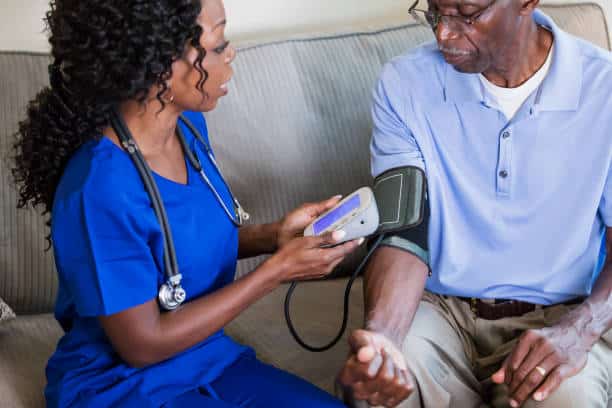
High blood pressure is often referred to as the “silent killer” because it is largely symptomless. Therefore the best way to know if your blood pressure is elevated is to regularly check your numbers. You can even invest in an at-home blood pressure machine that will electronically send your readings to your doctor so that they can keep track of your blood pressure.
Although high blood pressure is largely symptomless, the following symptoms may be related to high blood pressure:
RELATED: 5 Amazing Foods that Lower High Blood Pressure
Making the following changes will help keep your blood pressure under control:
If you make those changes and stay consistent with a heart-healthy diet, you will be able to see the following results:
Managing high blood pressure is a lifelong commitment, but it is important to listen to your doctor and remember that you and your doctor are partners in this journey.


By subscribing, you consent to receive emails from BlackDoctor.com. You may unsubscribe at any time. Privacy Policy & Terms of Service.