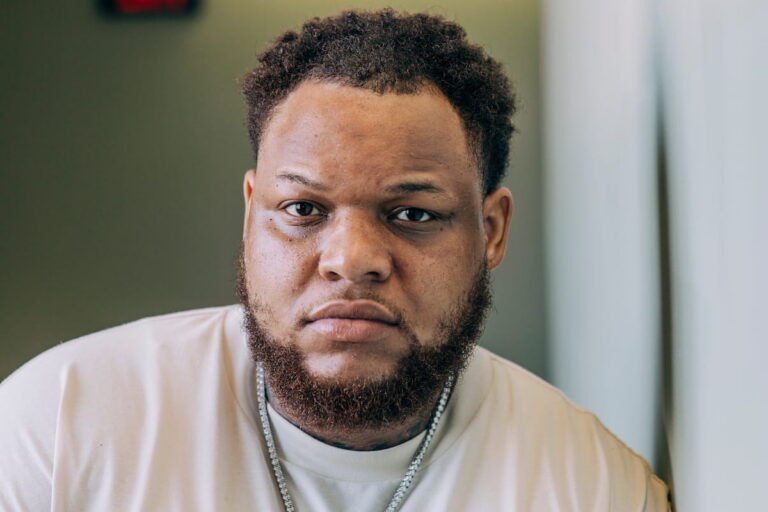
September is National Suicide Prevention Awareness Month, which helps promote awareness around suicide, highlight resources on prevention, and identify ways to talk more openly about suicide to help others decrease risk. Suicide is a serious mental health concern. It often occurs along with symptoms of depression, which can be treated with therapy.
YOU MAY ALSO LIKE: Black Children & Suicide Prevention: A Call To Action
However, many are reluctant to seek professional help for mental health issues, especially in the Black community. According to the Centers for Disease Control and Prevention (CDC), suicide is the third leading cause of death among Black youth. Therefore, it is important that we identify risks early to prevent actual suicide attempts.
An article published in the Journal of Clinical Child and Adolescent Psychology (Horwitz, Czyz, & King, 2015) looked at suicide attempts in teens and young adults. The study identified specific risk factors for engaging in suicidal behaviors.
According to the study by Horwitz and his co-authors increased risk of suicide was related to socioeconomic status, severity of suicidal thoughts, past history of suicide attempts, and a history of self-injurious behavior (e.g., cutting). Although these signs help to identify risk, suicide is very difficult to predict.
Looking For More Mental Health Resources? Visit SAMHSA Today.
Some experts have noted that ethnic differences exist in how suicide behaviors are presented.
During the 2015 Association of Black Psychologists (ABPSI) Convention in Las Vegas, NV – Dr. Krystal Cook Simmons, Ph.D. (Clinical Associate Professor at Texas A&M University) stated that Black youth may not exhibit some of the classic symptoms we might expect among those who are at risk of engaging in suicide.
For example, Dr. Simmons identified the following behaviors among Black youth:
You can also view additional warning signs of suicide presented by the National Institute of Mental Health.
However, individuals who may be having thoughts of suicide will usually have feelings of hurting themselves or talk about wanting to die, seek access to guns, pills, or other weapons to hurt themselves, or talk about death, dying or suicide.
If you have family members who have these behaviors, it is important to take them seriously and help them get professional help.
During her workshop at the ABPSI convention, Dr. Simmons suggested that parents or others should not tell youth that they’re being silly, agree that their problems are really bad, or try to guilt them into changing their feelings.
RELATED: You’ve Got A Friend: 3 Ways To Help Someone Who’s Suicidal
If you notice some of the signs above or your child tells you they are depressed or suicidal, below are some ways to help make things better.
If you or a loved one is in need of support, call the 988 Suicide and Crisis Lifeline by dialing 988 or visit 988crisislifeline.org.

Dr. Erlanger “Earl” Turner, often referred to by his clients as Dr. Earl, is a licensed psychologist and assistant professor of psychology at the University of Houston Downtown. His expertise includes providing mental health services to children, adolescents, and adults for concerns such as depression, anxiety, marital distress, and adjustment difficulties. You can follow Dr. Turner on Twitter @DrEarlTurner for daily post on psychology, mental health, and parenting. You can also view his website for more information at www.drerlangerturner.com.


By subscribing, you consent to receive emails from BlackDoctor.com. You may unsubscribe at any time. Privacy Policy & Terms of Service.