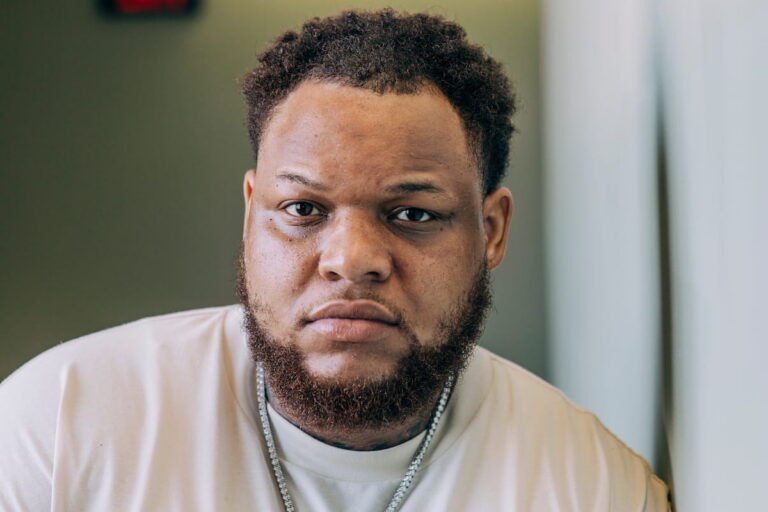
Joining a clinical trial can be a lifeline, especially for those with life-threatening illnesses. They also hold great promise for the Black community. These “interventional studies” are key to advancing medical knowledge, leading to breakthroughs such as vaccines, chemotherapy, and even therapeutic approaches like cognitive-behavioral therapy (CBT). Joining clinical trials can be a lifeline, especially for those with life-threatening illnesses. They also hold great promise for the Black community.
For Black patients, clinical trials are important at many levels. Historically, medical research has often not included or taken advantage of the Black community, leading to deep-seated mistrust. However, this history shows the critical need for greater representation in modern clinical trials. Widespread participation makes sure that treatments work and are safe for everyone. This helps address health gaps that affect Black people.
Keep reading to learn the benefits of joining a clinical trial and how to find one near you.
Here are a few reasons why you should consider participating in a clinical trial:
Clinical trials let you try experimental medicine that is not yet available to everyone. For those with severe or terminal illnesses, this can be the only avenue to potentially life-saving treatments. Imagine a new cancer drug that shows good results in early trials. Joining the trial lets you access this drug before it is available to the public. This access is very important for diseases that mainly affect Black communities, like certain cancers, heart diseases, sickle cell, and diabetes.
By participating in research, you can directly contribute to the development of new medications and treatments. This contribution benefits not only yourself but also future generations. For Black patients, this is a chance to help shape the future of healthcare and ensure that research meets the needs of their community.
While participation is open to a wide range of people, strict eligibility criteria ensure participant safety. These criteria create diverse participant groups, allowing researchers to understand how treatments affect different people. This careful method reduces risk and increases the likelihood of creating treatments that help many people.
Clinical trials are usually free, removing the financial strain of getting life-saving medicine. For many, especially those with long-term or deadly illnesses, the cost of medical care can be overwhelming. Some trials even offer compensation for participation — such as coverage for lodging or transportation — further easing financial strain.
People in clinical trials receive more attention and detailed care from healthcare providers. This allows for early detection of any negative side effects and provides a greater understanding of their health.

The legacy of unethical medical practices, such as the Tuskegee Syphilis Study, has created a real distrust of medical research within the Black community. However, modern clinical trials operate under strict rules and oversight, putting participant safety and informed consent at the forefront.
Building trust requires transparency and open communication. Potential participants should ask questions, seek information, and understand the study’s purpose, risks, and benefits. It’s important to work with a research team that is committed to building trust and addressing historical wrongs.
Joining clinical trials is not just for you. It helps the Black community take charge of its health. By joining in clinical research, we can ensure that medical advancements work for all of us. This participation can reduce health disparities and give a brighter future for generations to come.
Ultimately, clinical trials offer hope, access, and the opportunity to make a lasting impact. By taking part in these studies, especially with serious health conditions, Black patients can help shape the future of medicine. This ensures that healthcare meets the needs of everyone in our community and beyond.
If you’re interested in joining a clinical trial, visit BlackDoctor’s Clinical Trials Resource Center to find ones near you. You can also reach out to your healthcare provider to get guidance on finding one for your specific health condition.


By subscribing, you consent to receive emails from BlackDoctor.com. You may unsubscribe at any time. Privacy Policy & Terms of Service.