Suicide is a sensitive issue to bring up at any time and it doesn’t necessarily get easier when you are the survivor of a loved one who has died by suicide. It can become even stickier when you’re talking to people who have very rigid beliefs about how and with whom to have this conversation.
Some folks think if you address the issue of suicide it will encourage people to kill themselves, while other people believe there’s not enough education about how to identify if someone is at-risk for suicide. And though there are some tried and true measures to evaluate a person for suicidal risk, there is no one-size-fits-all system to know if everyone who is at-risk can be prevented from harming themselves.
Equally important to the conversation is the sentence too many people of color use that starts like this: “Only White people…”. You can fill in the blank.
There’s no evidence that says only White people think about suicide more than African-Americans or Latinos. There is, however, evidence that suicide is the third leading cause of death for African-American males ages 15-24.
Research also shows that men die by suicide more often than women who attempt suicide more frequent. And men between the ages of 45-54 years of age have the highest suicide rates followed by 35-44 year-old men.
But that’s not all there is to know. Take a look at the myths we often hear in the mental health industry and the facts that debunk these false beliefs:
You have to be crazy in order to take your own life. Myth! About half of the people who die by suicide are not “crazy.” They are, however, clinically depressed.
You would know if someone was about to kill themselves because they would leave a note or say things like, “I want to die.” That’s not always true. Approximately two-thirds of people who die by suicide don’t leave a suicide note. And not every person is willing to verbalize how they feel about their life. Some people may act it out through aggressive or risky behavior, substance use, cutting or medication overdose, while others may isolate themselves from the world.
White people are more willing to seek help to prevent from dying by suicide than African-Americans or Latinos. It’s not that black and white. Though more Whites are willing to seek treatment for suicidal thinking, depression and other mental illness, African-Americans and Latinos are more willing to seek non-traditional counsel from their clergy before seeking treatment in an outpatient clinic or private practitioner’s office. There is evidence that more minorities express shame and embarrassment more often than non-minorities about admitting to mental illness or needing help. The pressures of society, family ideals, racism and historical evidence of mismanagement of the mentally ill, primarily in underrepresented communities, tend to make people of color less willing to seek out professional help.
Suicide is not a weakness. Suicide is a means to an end for people feeling intense emotional and psychological pain. We cannot judge the way someone is feeling about themselves. We can however, finds ways to make them feel wanted, appreciated and valued. We can help them seek the professional interventions necessary to make life feel worth living. But with all that said, the final decision to live is ultimately up to the individual.
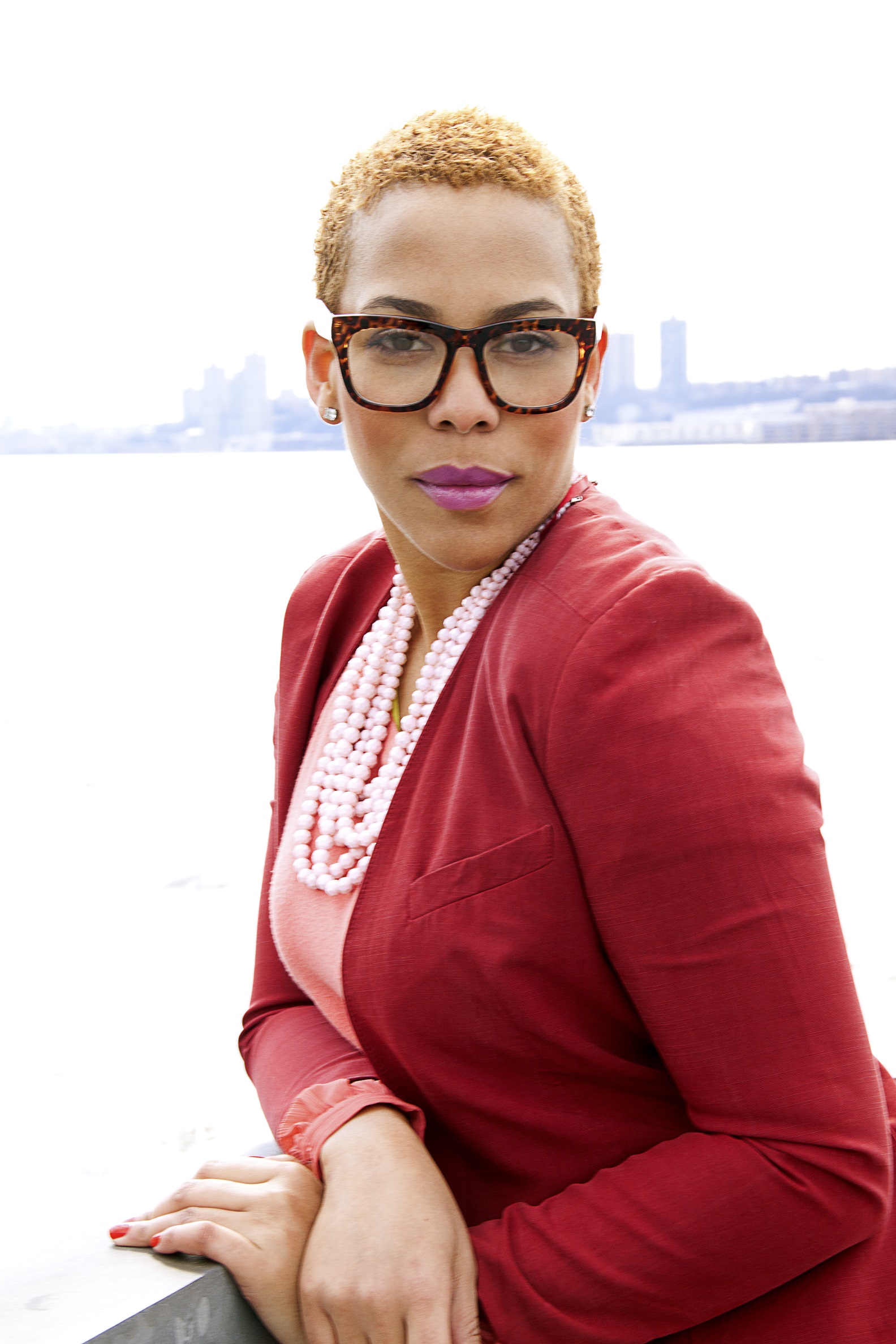
Asha Tarry, Licensed Mental Health Specialist and Owner of Behavioral Health Consulting Services LMSW, PLLC (www.BHConsultingServices.net). Follow her @ashtarry on Twitter/ Asha Tarry on Facebook and LinkedIN.


By subscribing, you consent to receive emails from BlackDoctor.com. You may unsubscribe at any time. Privacy Policy & Terms of Service.