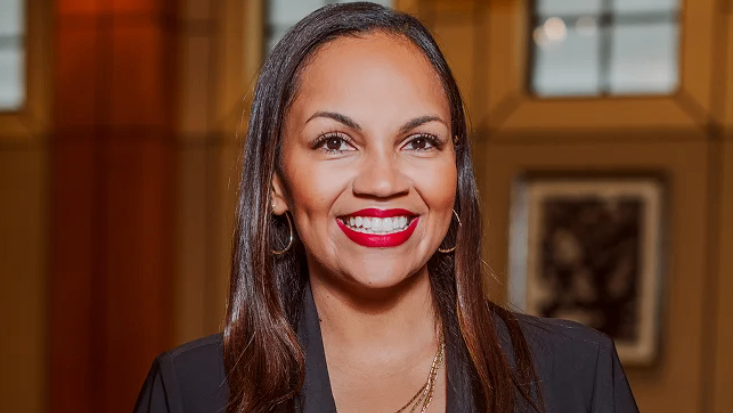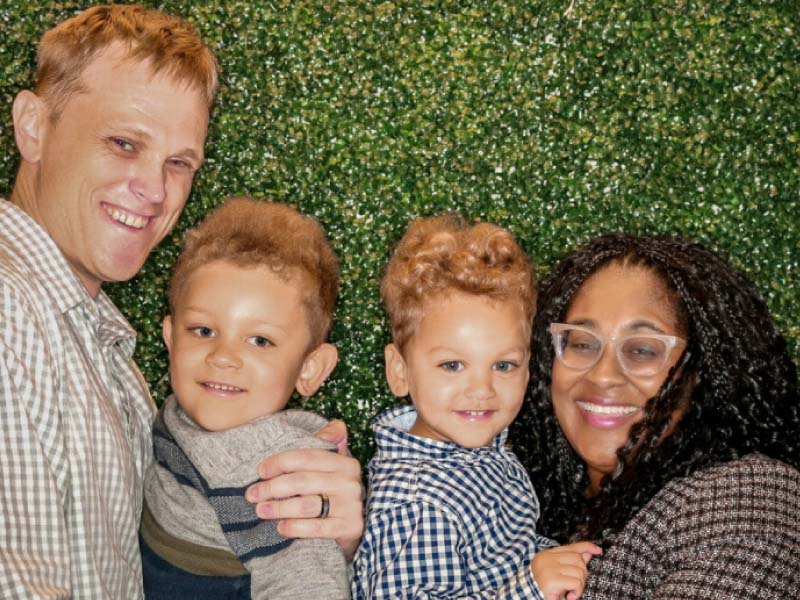
LaNysha Adams of Silver Spring, Maryland, was lying on the sofa watching TV when her husband, David Foss, went out to pick up a pizza for dinner.
When he returned not 15 minutes later, she was in a daze. Her eyes were bloodshot, and she was drooling. Their three-year-old son, Davidson, was in the crib next to her.
Foss couldn’t rouse her, so he called 911. Then he eased her onto the floor and began CPR. He knew the skill from every-other-year training through his job, but he’d never performed it on an actual person until that night in January 2022.
As Foss delivered the chest compressions, his mind raced. He felt as if he were watching the scene play out with someone else in his place. He feared what losing her would mean to him, Davidson and their one-year-old son, Donovan, as well as everyone else who loved her.
Eight minutes after Foss called 911, first responders arrived. Davidson sobbed as the paramedics continued performing CPR. Once they took Adams to the hospital, Foss remained at home with the boys. He continued to obsess over whether she’d live or die – and, if she lived, whether she’d have brain damage.
Six days later, Adams woke up in the intensive care unit. She had no idea what had happened or why she was there. She was afraid, angry and confused. It seemed as if she was in “The Twilight Zone.” The machine monitoring her vitals began beeping more quickly.
Adams was told she’d gone into cardiac arrest. She wasn’t sure exactly what that meant or why it had happened. She was 37 with no family history of heart disease. However, she had been diagnosed with postpartum preeclampsia after giving birth to Donovan. The condition causes numerous problems, including high blood pressure. Studies show preeclampsia may increase the risk of cardiovascular disease.
RELATED: Woman on Post-Pregnancy Heart Failure: “I Just Didn’t Feel Right”
She also recently had been sick with COVID-19 and had continued to test positive for several weeks. Studies have shown COVID-19 infections may increase the risk for cardiovascular events.
Adams experienced shortness of breath, swelling in her legs and an irregular heartbeat. To improve circulation and reduce the swelling, her medical team encouraged her to get up and start walking.
The first time Adams tried to get out of her hospital bed, she fell onto the ground. Soon she was using a walker to get to the bathroom and back. Ten days later, she was released from the hospital.
While Adams was hospitalized, Foss’ parents had moved in to help Foss care for the boys. To make space, they moved her clothes into the attic. They forgot to move them back before she came home, so while she knew they were just trying to get organized, “I felt like I had died and wasn’t supposed to be there,” she says. “Nobody expected me to come home.”

About a month later, doctors determined Adams had dilated cardiomyopathy. The condition causes the heart to stretch and become thinner, enlarging the affected areas. As a result, the heart can’t pump blood as well. Dilated cardiomyopathy can cause heart failure, leading to a wide array of symptoms. She received an implantable cardioverter defibrillator, or ICD, a device that monitors her heart rhythm and can shock it back into a normal rhythm if needed.
Eager to get back to normal, she attended cardiac rehab. It’s designed not only to help people recover physically but also mentally, according to Jeanmarie Gallagher, a clinical exercise physiologist who worked with Adams.
“The most consistent feedback I get from patients is that it helps their peace of mind,” Gallagher says. “They can exercise and be active without fear of further complications.”
RELATED: 3 Signs Shortness Of Breath Signal A Potential Heart Problem
Indeed, after completing 11 sessions, Adams continued exercising on her own. She bought an exercise bike and joined a riding group. She has also cut down on red meat, alcohol and salt. She plans to run a 5K this spring.
“I want to be as heart-healthy as possible,” she says.
That includes avoiding stress. Rather than reacting to negative situations as she had in the past, she now counts to 10 – and focuses on her blessings. For instance, the driver of an airport cart said she appeared too fit and healthy to need a ride; instead of protesting, she laughed it off.
“I’m less reactionary and more grounded,” she shares. “I feel like a different person.”
Adams – who has a Ph.D. in applied linguistics – was writing a motivational book before her health woes. She returned to the project once healthy, bringing to it a deeper understanding of her message.
“Even if you don’t have control, you can take action and do something that matters and helps others,” she adds. The book was published last year.
To that end, she also started a blog about living with heart disease. She wants to spread the message that heart disease can happen to anybody, no matter their age or appearance.
“The more educated people are, the more likely it is that they will be able to advocate for themselves and help others,” she says. “I want to make an impact.”
Some people with dilated cardiomyopathy may not have any signs or symptoms in the early stages of the disease.
If you do have signs, they may include:
If you are experiencing shortness of breath or any other symptoms of dilated cardiomyopathy, you should see your healthcare provider as soon as possible. If you have chest pain that lasts more than a few minutes or severe difficulty breathing, call 911.
You should also pay close attention to your family history. Some types of dilated cardiomyopathy are inherited. Genetic testing may be recommended if a family member has dilated cardiomyopathy.
By American Heart Association


By subscribing, you consent to receive emails from BlackDoctor.com. You may unsubscribe at any time. Privacy Policy & Terms of Service.