Menu

Montell Jordan Overcomes Prostate Cancer; This Saved His Life

Table of Contents
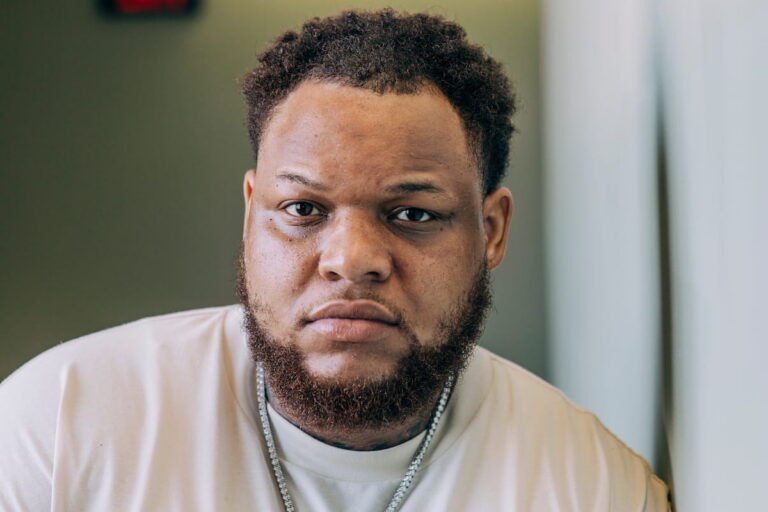
(Photo by Leon Bennett/Getty Images)

Montell Jordan, the smooth-voiced R&B singer responsible for the #1 hit guaranteed to get everyone singing along, “This is How We Do It,” recently got very personal and emotional on his birthday when he revealed that he is now cancer free. After silently enduring prostate cancer, Montell is ready to share his story.

In the video, Montell doesn’t physically share any words, instead he uses handwritten signs and turns the page through each one to tell the story. One slide says that his wife, kids and extended family has been his tribe. Another slide wrote that his church was an incredible inspiration to keep going.

Throughout the video, Jordan shared what he learned: He said he can do hard things, but he can’t do hard things alone.

Featured on BlackDoctor

This Is What Montell Said Saved His Life

Further in the heartfelt video, he says that early detection saved his life. And honestly, it can save the life of so many other Black men.

Prostate cancer can be detected early through screening tests, which are available for men without symptoms. The two most common tests are:

  • Prostate-specific antigen (PSA) test

    A blood test that measures the level of PSA, a substance produced by the prostate. PSA levels vary with age, and higher levels can indicate a problem with the prostate, including cancer. However, PSA levels can also be elevated by other conditions, such as prostatitis and BPH.
  • Digital rectal exam (DRE)

    A physical exam where a doctor inserts a gloved finger into the rectum to feel the prostate for lumps or other abnormalities. DRE is no longer recommended as a routine test for men without symptoms.

If either test is abnormal, further testing may be needed, such as a prostate biopsy, MRI scan, or transrectal ultrasound (TRUS) biopsy.
Early detection of prostate cancer is important because it can lead to a better prognosis. Almost 100% of men with early-stage prostate cancer survive more than 5 years after diagnosis, compared to about one-third of men with advanced prostate cancer.

The video further describes that he researched all options for treatment and prayed hard. And on November 5th, he had his prostate removed.

Montell’s Prostate Cancer Treatment

After having his prostate removed, Montell can expect to experience a number of changes, including:

  • Urinary incontinence

    The inability to control your bladder. This can include leaking, dribbling, or overflow incontinence. It’s usually most severe immediately after surgery and can improve over time, but it can take up to a year for full recovery.
  • Erectile dysfunction

    The inability to achieve a full erection. Recovery can take up to two years and may not be complete. A nerve-sparing prostatectomy can reduce the risk of impotence, but it doesn’t guarantee that it won’t happen.
  • Dry orgasm

    You can still have an orgasm, but there will be no ejaculation. This is because the prostate and seminal vesicles, which produce most of the fluid for semen, are removed during the surgery.
  • Infertility

    You will no longer be able to make someone pregnant.
  • Lymphedema

    A rare complication where fluid accumulates in the soft tissues, causing swelling in the legs or genital region.

You can also expect to take off work for three to four weeks after surgery, but you might be able to return to work sooner if you work from home. You should avoid strenuous activity or heavy lifting for at least one month. You might also need to limit gas-producing foods like beans, broccoli, cabbage, and garlic.

Other Kinds of Prostate Cancer Treatment

Other kinds of prostate cancer treatments available to Montell included:

  • Radiation therapy

    This treatment can be used to treat cancer that’s confined to the prostate, or after surgery to kill any remaining cancer cells. There are two types of radiation therapy:

    1. External beam radiation: A machine moves around the body directing high-powered energy beams at the prostate cancer.

    2. Brachytherapy: Radioactive sources are placed inside the prostate tissue.
  • Hormone therapy

    Also known as androgen deprivation therapy (ADT), this treatment blocks cancer cells from getting the hormones they need to grow.
  • Active surveillance

    This treatment is for low-risk prostate cancer, where regular tests are performed to monitor the cancer for changes.
  • Other treatments

    These include chemotherapy, targeted therapy, cryotherapy, high-intensity focused ultrasound (HIFU), and immunotherapy.

If You’re a Black man over 45. Here’s What You Should Do

If you’re Black, have a prostate and you’re over 45, speak to your GP about your risk of prostate cancer. We also strongly recommend you speak to them about having a PSA test (a blood test that can help diagnose prostate cancer).

There are advantages and disadvantages to having a PSA test. You’ll need to talk to your GP or practice nurse about these before deciding whether to have one. Remember to tell them if anyone in your family has had prostate cancer or breast cancer.

Late in the video, the “Tonite” hit singer shared that during his surgery the got ALL of the cancer and now he is cancer free!

In the caption of the video, Jordan shares a simple message:

“I love you. I’m doing something unthinkable. I need your help.

I only have a few simple requests.

Watch until the end and then:

1. Pray
2. Take action. Give if you are moved.
3. Share

Thank you.”

Montell is now known as a man who uses the gift of music as a vehicle to transport people into the presence of God. This Grammy nominated, multi-platinum recording artist has had numerous billboard number ones, and is now an executive pastor of a mega church.


SHARE
Related Stories
Answer the question below

Gout Survey

People with gout often have sudden, painful flares of joint swelling and redness. How many gout flares have you experienced in the last 12 months?
Have you ever received intravenous medicine for your gout?

Get our Weekly Newsletter

Stay informed on the latest breakthroughs in family health and wellness. Sign up today!

By subscribing, you consent to receive emails from BlackDoctor.com. You may unsubscribe at any time. Privacy Policy & Terms of Service.

More from BlackDoctor

Where Culture Meets Care

BlackDoctor is the world’s largest and most comprehensive online health resource specifically for the Black community. BlackDoctor understands that the uniqueness of Black culture - our heritage and our traditions - plays a role in our health. BlackDoctor gives you access to innovative new approaches to the health information you need in everyday language so you can break through the disparities, gain control and live your life to its fullest.
✦ AI Search Disclaimer
This AI-powered search tool helps you find relevant health articles from the BlackDoctor.org archive. Please keep the following in mind:
✦ For Informational Purposes Only
The information provided through this AI search is for general educational and informational purposes only. It is not intended as a substitute for professional medical advice, diagnosis, or treatment.
✦ Always Consult a Healthcare Provider
Never disregard professional medical advice or delay seeking it because of something you have read through this search tool. If you have a medical emergency, call your doctor or 911 immediately.
✦ AI Limitations
This search tool uses artificial intelligence to help match your queries with articles in our archive. While we strive for accuracy, AI-generated results may occasionally be incomplete, outdated, or not fully relevant to your specific situation.
✦ No Doctor-Patient Relationship
Using this search tool does not create a doctor-patient relationship between you and BlackDoctor.org or any healthcare provider.
Explore over 35,000 articles and videos across black health, wellness, lifestyle and culture
Full AI Search Experience >
×

Download PDF

Enter your name and email to receive the download link.

BlackDoctor AI Search