
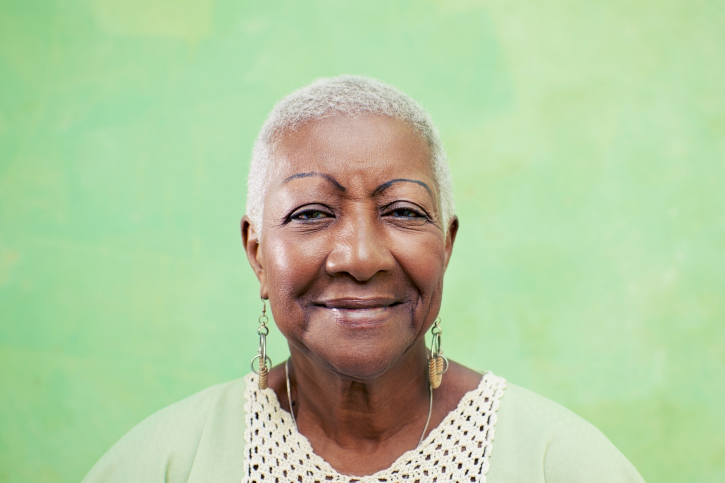
Bone is living tissue, and that tissue responds to weight-bearing exercise, physiological conditions within the body, and dietary intake of minerals that contribute to bone growth and development.
Osteoporosis is a disease of the bones that can lead to painful and occasionally deadly fractures. Literally meaning “porous bones”, this condition results in reduced bone density that occurs gradually over a period of years.
The Causes of Osteoporosis
The main cause of osteoporosis is a decrease in estrogen levels in women (usually at the onset of menopause) and a decrease in testosterone levels in men, although the risk for men is significantly less than for women.
Calcium and phosphate are the two minerals that are most crucial for bone health. In older individuals, calcium and phosphate are reabsorbed back into the body from the bones if dietary intake is insufficient, and this leads to bone loss. Thus, brittle and fragile bones lead to an increased risk of fracture. And according to some sources, nearly 50% of all women over 50 years of age experience a fracture of the hip, wrist or spine at some point in their later lives.
Other potential causes of osteoporosis are kidney disease, eating disorders such as bulimia and anorexia nervosa, rheumatoid arthritis, confinement to bed, or taking corticosteroid drugs such as prednisone.
Confinement to bed and immobility contribute to bone loss and the development of osteoporosis, due to the fact that bone responds to physical exercise and weight bearing by becoming stronger and denser. Astronauts living in weightless conditions, individuals confined to bed, and those who are immobile are all unable to bear weight – thus, their bones begin to leach their calcium and phosphate into the bloodstream, resulting in decreased bone density.
Other Risk Factors
White women of European descent and Asian women are generally at greater risk for osteoporosis than others, as well as any individual with a family history of the disease. Other risk factors include:
• Prolonged cessation of menstruation
• Excessive intake of alcohol
• Hormone treatment for breast cancer or prostate cancer
• Cigarette smoking
• Abnormally low body weight
• Low dietary calcium intake
Osteoporosis and African American Women
Although a great deal of the literature on osteoporosis states that African American and Hispanic women are at a lower risk of the disease than White and Asian women, information on the website of the National Institutes of Health (http://www.niams.nih.gov/Health_Info/Bone/Osteoporosis/Background/default.asp) states very clearly that osteoporosis in African American women is both “underrecognized and undertreated.”
According to the NIH website, the risk of a hip fracture doubles every seven years as African American women age, and Black women are more likely to die from a hip fracture than their White peers.
Additionally, sickle cell anemia and lupus, two diseases more prevalent in African American women, significantly increase the risk of developing osteoporosis. The NIH website also points out that African American women tend to consume less than the recommended daily allowance of calcium, and a prevalence of lactose intolerance among African American women also contributes to low dietary intake of calcium.
Symptoms
The symptoms of osteoporosis can include bone pain, fractures caused by minor trauma, loss of height over time, neck and back pain due to tiny fractures, and kyphosis, a stooped condition also known as “dowager’s hump”.
Prevention
A lifetime practice of weight-bearing exercise (such as walking, running, weight-lifting, skiing, hiking, and dancing) is crucial to the development and maintenance of healthy bones. Balance exercises such as yoga and Tai Chi are also excellent non-impact forms of exercise that prevent the loss of bone tissue.
Most sources also recommend 1,200 milligrams per day of dietary calcium and 800-1,000 international units (IUs) of Vitamin D3. Vitamin D3 assists the body in the absorption of calcium.
Not smoking, as well as decreasing alcohol intake, are additional healthy lifestyle practices to embrace when it comes to osteoporosis prevention.
Treatment
The treatment of osteoporosis includes medications to increase bone density, slow the rate of bone loss, and reduce pain. Weight-bearing and balancing exercises, increased dietary intake of calcium and vitamin D, as well as smoking cessation and decreased alcohol intake are also prescribed. Fall prevention and safety are paramount, since brittle bones with decreased density are at greater risk of fracture.
Lower Risk Does Not Translate To Disregaring Your Health
Osteoporosis is a serious health concern for all women as they age, and African American women should not lose sight of that fact despite the somewhat lower risk that they enjoy when compared to other racial and ethnic groups. Bone loss and the resulting fractures that it causes can be painful, debilitating, and occasionally deadly, and both ageing women and men should be aware of their risk factors for bone loss over time.
Exercise, good dietary habits, not smoking and moderate alcohol intake are all important factors in preventing osteoporosis, as well as a lifelong practice of being more aware of this significant health issue.
body { background: #FFF; }


By subscribing, you consent to receive emails from BlackDoctor.com. You may unsubscribe at any time. Privacy Policy & Terms of Service.














