As the number of U.S. children with COVID-19 continues to surge, there are a number of things parents should know, a pediatric infectious disease expert says.
“What used to be the average number of children with COVID for the whole hospital is now the average just for the intensive care unit,” says Dr. Jessica Ericson, of Penn State Health Children’s Hospital in Hershey, Pa.
“Back in October, we were seeing three to five children hospitalized at a time, and now we’re averaging about 20 children at a time, with five in the ICU,” Ericson said in a hospital news release.
For the week ending Jan. 27, more than 808,000 new cases in kids were reported in the United States, according to the American Academy of Pediatrics and the Children’s Hospital Association. That’s 18.6% of all U.S. cases.
And while the Jan. 27 number was down from a peak of 1.15 million the week before, child cases remained three times higher than the 2021 Delta peak.
Hospitalization is rising fastest among kids under age 4, who are too young to be vaccinated against COVID-19. In that age group, the rate in January was more than 4 in 100,000 children — twice that reported a month ago and about three times the rate at this time last year, according to the U.S. Centers for Disease Control and Prevention.
RELATED: Pfizer Asks FDA to Approve Its Vaccine for Children Under 5
Three groups of children appear most susceptible to SARS-CoV-2 infection, according to Ericson.
They include newborns whose immune systems are immature; children with high-risk medical conditions such as cancer or a
genetic syndrome or who are too young to be vaccinated; and unvaccinated teens who are overweight or obese.
As in adults, vaccination offers significant protection to children, but just half of the nation’s 12- to 18-year-olds and 16% of 5- to 11-year-olds are fully vaccinated, according to the CDC.
“We are not seeing many vaccinated children needing hospitalization, even among those high-risk children,” Ericson adds.
She notes that between 2% and 5% of kids need to be admitted to the hospital for a COVID-related problem.
“You don’t know if your child will end up being in that group or not,” Ericson says. “Why not reduce that risk with a vaccine that’s been proven safe and very effective at preventing serious illness and complications?”
That includes diabetes. A recent CDC study found that children and teens who had COVID are more than twice as likely to be diagnosed with diabetes within the month after infection compared to kids who have not had the virus.
RELATED: U.S. Hospitals Seeing Record Numbers of Young COVID Patients, Schools Under Pressure
Ericson offered some advice for parents as they try to protect their children from COVID-19.
When your child is invited to a birthday party, playdate or new setting, ask yourself: Is this the right time for my child to go here? Base your decision on the answers to questions such as these: Does a vulnerable person live with us? Is the event outdoors? What precautions will be in place?
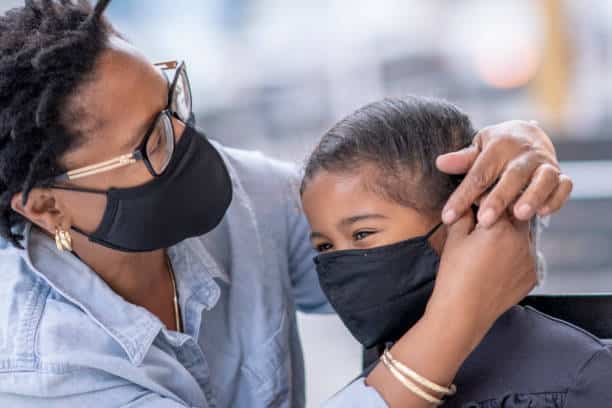
Familiarize yourself with school guidelines for quarantining and masking and decide if you want more protective measures for your child. The school policy is the minimum, and parents should feel free to make the best choice based on their child’s symptoms and circumstances.
“Overall, I think it’s useful for us to hold all our plans loosely,” Ericson says “Make plans, but if someone is ill or was exposed or you know people won’t be wearing masks, change your plans and let your kids know you’re doing your best to keep everyone as safe and healthy as you can.”


By subscribing, you consent to receive emails from BlackDoctor.com. You may unsubscribe at any time. Privacy Policy & Terms of Service.