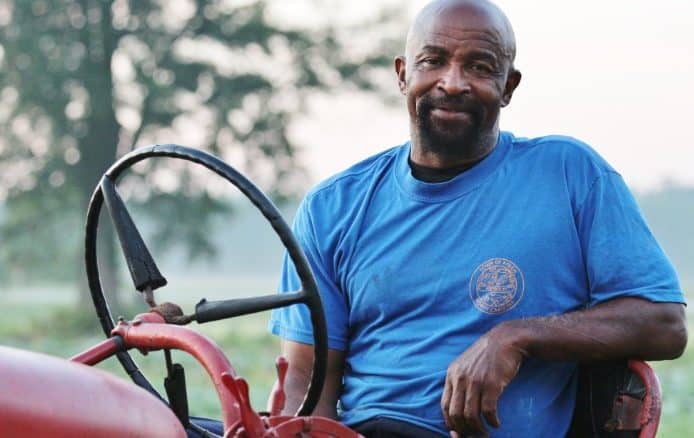
(Photo credit: CNN screenshot)
With what’s going on in healthcare, there are many things up in the air, especially when it comes to the health of African Americans. But instead of waiting to see what Congress or the government is going to do, some are taking their health in their own hands and coming together.
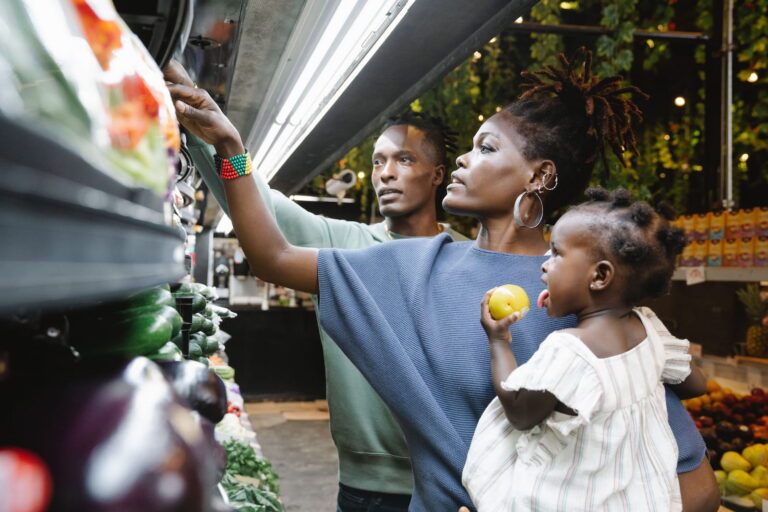
Just outside of Raleigh, North Carolina, there’s a little town of Conetoe — population 300 and predominately African American. The town is surrounded by farmland, but the nearest grocery store is 10 miles away, making it one of the country’s many “food deserts,” where fresh, nutritious food is not readily available.
“The cause of the funerals was was poor access to healthcare and poor access to affordable healthy food.” That’s where Rev. Richard Joyner, a local pastor, stepped in and stepped up.
YOU MAY LIKE: From Gangster To Gardener, Rapper Teaches Youth How To Grow Food
So Joyner started a community garden and enlisted local children to help him care for it. Today, his nonprofit, the Conetoe Family Life Center, manages more than 20 plots of land, including one 25-acre site.
“Diabetes, high blood pressure — when we first got started, we counted 30 funerals in one year,” Joyner said. “I couldn’t ignore it because I was spending more time in funerals than anything else.” This community garden directly impacts both the food desert issue and the death of his members.
More than 80 young people help Joyner plan, plant, and harvest nearly 50,000 pounds of fresh food a year. Much of this produce is given away to local residents. But the students also sell the food — including their own brand of honey — to businesses and restaurants, raising money for school supplies and scholarships.
CNN talked with Joyner about his work and the impact it’s had on his life. He was even nominated as a 2015 CNN Hero. It’s hard to believe that something so great started with death.
“I was literally exhausted from the funerals, and I was asking God, ‘What are we going to do?’ And I really heard a voice saying, ‘Look around you.’ I looked around and…there was nothing but land.”
But there was a little pause from Joyner where he wasn’t really sure this was the calling that God gave him because of one minor glitch: Joyner didn’t like farming.
“Now, I didn’t like farming, and I almost paused and said, ‘Is there anybody else up there I can talk to?’ But it was almost like my eyes opened up, and so that’s what we started doing.”
“I didn’t have a good experience with the soil growing up. My family, we were sharecroppers. We grew up eating from the garden. But it was more of a process of pain. I can literally see this guy getting out of this pickup truck, telling my father that he didn’t make any money for the year. It was so painful to watch my father be oppressed, to watch him walk away with nothing. That’s why I did not like the land.”
“When I came back to the land, I had to deal with my anger. And I’m still coming through that process. But for me, working in the garden has been a healing place. This has given me the opportunity to appreciate what my father took pride in teaching me about the fields. At this point now, I like the garden. It’s a place we can play. It’s a place where we can produce. And it’s a place where we can live.”
Heart disease, high blood pressure, stroke, type 2 diabetes, chronic kidney disease, and certain cancers are among the biggest opportunities to prevent illness and premature death in Black America. HIV also places a disproportionate burden on Black communities.
“Preventable” needs some context: risk can often be reduced, but no individual can guarantee they will avoid disease. Affordable care, access to nutritious food, neighborhood conditions, and exposure to racism also shape health outcomes. Prevention requires both personal support and changes in healthcare delivery. American Heart Association
1. High blood pressure and heart disease
About 58% of Black adults have high blood pressure, according to the American Heart Association. It often develops without noticeable symptoms while damaging blood vessels and increasing the risk of heart attack, heart failure, stroke, and kidney disease. Black adults also face disproportionately high cardiovascular risk. American Heart Association
Prevention starts with knowing your blood pressure, checking it regularly, reducing sodium, being physically active, avoiding tobacco, and taking prescribed medication consistently. Healthy habits and medication can work together; feeling well does not mean blood pressure is controlled. American Heart Association
2. Stroke
The risk of a first stroke is nearly twice as high for Black adults as for White adults. CDC estimates that about four in five strokes are preventable. Controlling blood pressure, managing diabetes and cholesterol, quitting smoking, and treating relevant heart conditions can substantially reduce risk. CDC
Prevention also includes recognizing an emergency: sudden facial drooping, arm weakness, or difficulty speaking means call 911 immediately. CDC
3. Type 2 diabetes
Black Americans experience a higher burden of diabetes, which can lead to vision loss, nerve damage, heart disease, and kidney failure. Type 2 diabetes can often be prevented or delayed; type 1 diabetes cannot currently be prevented through lifestyle changes. Office of Minority Health
For people with prediabetes, a structured prevention program can help. In the landmark Diabetes Prevention Program study, an intervention targeting 5%–7% weight loss and at least 150 minutes of weekly activity reduced progression to type 2 diabetes by 58%. Ask about blood sugar testing before symptoms develop. CDC
4. Chronic kidney disease
Black Americans carry a disproportionate burden of advanced kidney disease and kidney failure. Diabetes and high blood pressure are its two most common causes, making treatment of those conditions an important form of kidney protection. NIDDK
People with these risk factors should ask about kidney testing, including blood and urine tests. Finding damage early and receiving treatment can help slow progression. NIDDK
5. Certain cancers—and preventable cancer deaths
Cancer prevention and early detection are different. Screening does not prevent every cancer, but it can sometimes prevent cancer from developing or find it when treatment is more effective.
Colorectal screening can identify precancerous growths; average-risk adults should begin at 45, with earlier screening sometimes needed because of family history. HPV vaccination helps prevent several cancers, including cervical cancer. American Cancer Society
Breast and prostate cancers also deserve attention because of unequal outcomes. ACS’s 2025 report found that Black women had a 38% higher breast cancer death rate than White women, while Black men faced roughly twice the prostate cancer death rate of White men. Timely screening discussions, follow-up, and access to effective treatment matter—even when the cancer itself could not have been prevented. PMC
6. HIV
HIV disproportionately affects Black communities, and effective prevention tools exist: condoms, PrEP for people who could benefit, access to testing, and avoiding shared injection equipment. PEP is an emergency medication option after a possible exposure. Treatment also prevents sexual transmission when a person maintains an undetectable viral load. CDC NCHHSTP
The most useful starting point is a preventive visit that addresses blood pressure, blood sugar, cholesterol, kidney health, cancer screening, and HIV prevention based on your age, history, and risks. These conditions may run in families, but early action can change their course.
From children to adults, those who Pastor Joyner has helped, all learn how to cook the food in a nutritious way, helping each family eat healthier at home. As a result, many people are now reaping the benefits of Joyner’s ideas. Emergency room visits are down, and the community as a whole is healthier.
Joyner also feels the efforts are bearing fruit in a way that’s far beyond just monetary and health.
“Growing food calls us to work together,” he said. “By nourishing plants, you’re nourishing community. It’s one and the same.”
Find out more about the Conetoe Family Life Center by clicking here.


By subscribing, you consent to receive emails from BlackDoctor.com. You may unsubscribe at any time. Privacy Policy & Terms of Service.