Menu

Quiz: What Do You Know About Exercise and Hemophilia?

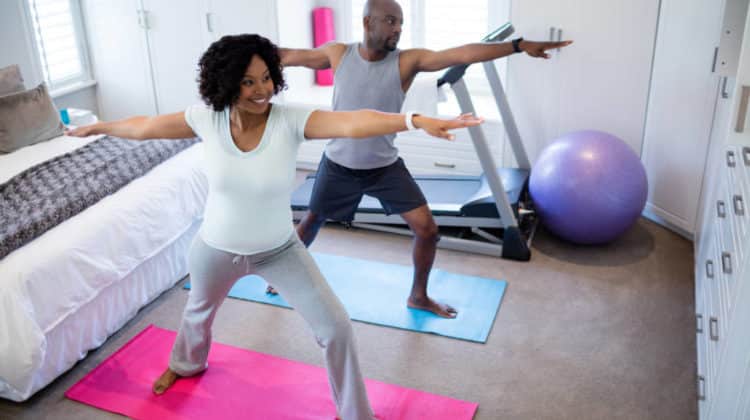
Exercise used to be off-limits to people with hemophilia. As late as the early 1960s, doctors worried that something as gentle as walking or a jog through the park could trigger internal bleeding. Today, people with hemophilia are hitting the gyms and playing just about everything except rough contact sports. They’re having fun, staying fit, and enjoying all of the other standard benefits of exercise. And far from putting their bodies at risk, they’re actually taking control of their disease. How much do you know about exercise and hemophilia? Take this short quiz to find out.

1. Exercise can prevent internal bleeds and protect joints.

True

False

Featured on BlackDoctor

2. If you already have chronic synovitis or another form of joint damage, it’s generally too late for exercise to do much good.

True

False

3. Weight lifting is too dangerous for most people with hemophilia.

True

False

4. Which of the following can help lower the risk of bleeds during exercise?

a. Thorough conditioning

b. Warming up and stretching

c. Prophylactic factor treatment

d. All of the above

5. According to the National Hemophilia Foundation, which of these sports is generally NOT safe for people with hemophilia?

a. Baseball

b. Wrestling

c. Gymnastics

d. Bicycling

e. All of the above

Your Results

1. Exercise can prevent internal bleeds and protect joints.

The correct answer is: True

The simple truth is that strong, flexible joints are less likely to bleed. A doctor or physical therapist can recommend specific exercises to protect vulnerable joints.

2. If you already have chronic synovitis or other form of joint damage, it’s generally too late for exercise to do much good.

The correct answer is: False

As reported in Clinical Orthopaedics and Related Research, carefully structured exercise including weight training and water therapy can generally improve the strength and range of motion of damaged joints. Just as important, such exercises can help prevent further damage.

3. Weight lifting is too dangerous for most people with hemophilia.

The correct answer is: False

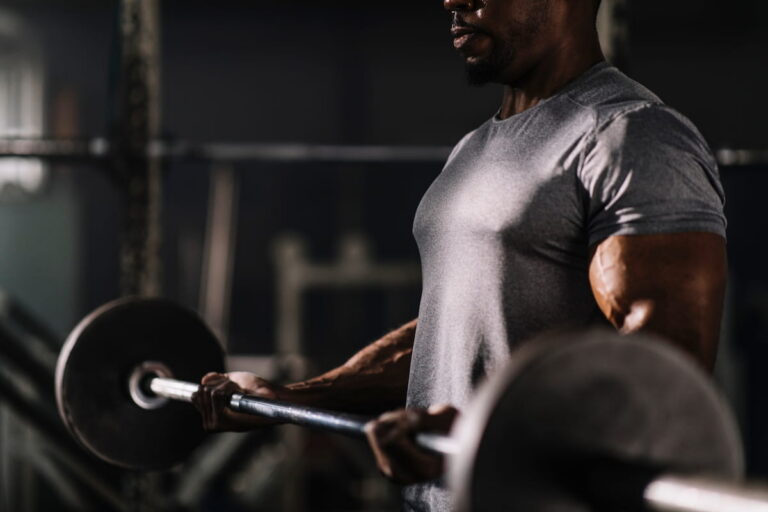
As demonstrated in a recent study published in the journal Haemophilia, gentle, low-impact weight training can be extremely helpful for patients with hemophilia. Researchers found that 20 to 25 repetitions using light weights improved both strength and balance with very little stress on joints.

4. Which of the following can help lower the risk of bleeds during exercise?

The correct answer is: d. All of the above

Proper conditioning and warm-ups are important for any active person with hemophilia. Prophylactic (preventive) factor treatments may also be necessary, especially if a person suffers repeated bleeds despite every precaution.

5. According to the National Hemophilia Foundation, which of these sports is generally NOT safe for people with hemophilia?

The correct answer is: b. Wrestling

Doctors don’t always agree on which sports are best for patients with hemophilia, but a few things are clear. “Combat” sports — including wrestling, boxing, karate — are basically out. Other high-risk sports that are usually discouraged include rugby, football, and rock climbing. At the other end of the spectrum, relatively gentle sports such as golf, swimming, bicycling, and walking are considered extremely safe. Naturally, people with hemophilia will want to take common-sense precautions — gymnasts should avoid extreme maneuvers that are likely to result in injury, for example, and cyclists with hemophilia should wear shin guards and face masks in addition to a helmet.


SHARE
Related Stories
Answer the question below

Gout Survey

People with gout often have sudden, painful flares of joint swelling and redness. How many gout flares have you experienced in the last 12 months?
Have you ever received intravenous medicine for your gout?

Get our Weekly Newsletter

Stay informed on the latest breakthroughs in family health and wellness. Sign up today!

By subscribing, you consent to receive emails from BlackDoctor.com. You may unsubscribe at any time. Privacy Policy & Terms of Service.

More from BlackDoctor

Where Culture Meets Care

BlackDoctor is the world’s largest and most comprehensive online health resource specifically for the Black community. BlackDoctor understands that the uniqueness of Black culture - our heritage and our traditions - plays a role in our health. BlackDoctor gives you access to innovative new approaches to the health information you need in everyday language so you can break through the disparities, gain control and live your life to its fullest.
✦ AI Search Disclaimer
This AI-powered search tool helps you find relevant health articles from the BlackDoctor.org archive. Please keep the following in mind:
✦ For Informational Purposes Only
The information provided through this AI search is for general educational and informational purposes only. It is not intended as a substitute for professional medical advice, diagnosis, or treatment.
✦ Always Consult a Healthcare Provider
Never disregard professional medical advice or delay seeking it because of something you have read through this search tool. If you have a medical emergency, call your doctor or 911 immediately.
✦ AI Limitations
This search tool uses artificial intelligence to help match your queries with articles in our archive. While we strive for accuracy, AI-generated results may occasionally be incomplete, outdated, or not fully relevant to your specific situation.
✦ No Doctor-Patient Relationship
Using this search tool does not create a doctor-patient relationship between you and BlackDoctor.org or any healthcare provider.
Explore over 35,000 articles and videos across black health, wellness, lifestyle and culture
Full AI Search Experience >
×

Download PDF

Enter your name and email to receive the download link.

BlackDoctor AI Search