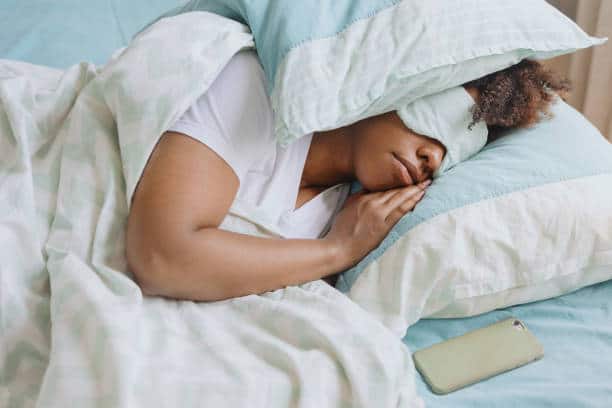
Your eyes close and your mind shuts down the second your head hits the pillow, but you wake up 10 hours later still feeling tired.
Many people complain about sleeping too little, but some struggle with the opposite problem: oversleeping.
Oversleeping, or hypersomnia, is a sleep disorder characterized by complaints of excessive daytime sleepiness occurring regularly or often, even after sleeping 10 or more hours a night.
“Healthy sleep encompasses three major things,” Marishka Brown, a sleep expert at the U.S. National Institutes of Health (NIH), said recently. “One is how much sleep you get. Another is sleep quality — that you get uninterrupted and refreshing sleep. The last is a consistent sleep schedule. If you’re sleeping more than nine hours a night and you don’t feel refreshed, there may be some underlying medical issue.”
If you are asking yourself, “Why do I need so much sleep,” here are the most common reasons for that and some tips on how to revamp your sleeping routine.
While individual sleep needs may vary depending on age and conditions such as illness, stress or physical activity levels, the American Academy of Sleep Medicine notes that experts recommend that schoolchildren get nine hours of sleep per night and teens get eight to 10 hours, while adults may only need seven hours or more.
Some adults, known as long sleepers, naturally require up to 10 to 12 hours of sleep per night, and not because of a medical condition but because of their natural biological predisposition.
RELATED: Are You Sleeping Too Much?
You may require more sleep than usual for the following natural reasons: an increase in physical activity, stress, jet lag, or during and right after recovering from illness or surgery.
Not only that, a commentary published in The Lancet Respiratory Medicine journal recently suggested that getting more sleep when you receive a vaccination improves antibody production and your overall immune response.
Mental health conditions like depression or a past history of trauma can also cause oversleeping. The condition is present in 15 percent of people with depression, Michelle Drerup, of the Cleveland Clinic Sleep Disorders Center, said during a recent podcast.
Sleep disorders like sleep apnea or narcolepsy can also trigger oversleeping, the NIH says. Sleep apnea, which involves repeated stopping and starting of breathing throughout the night, is a common cause of oversleeping.
Meanwhile, narcolepsy also disrupts sleep. People with narcolepsy may suddenly fall asleep without warning, and they may experience extreme daytime sleepiness and fragmented nighttime sleep.
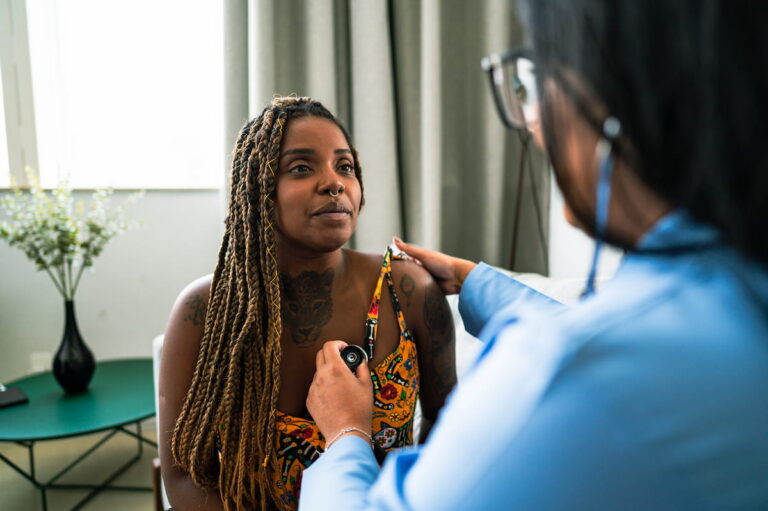
If you think that you may have a sleep disorder, NIH experts recommend that you consult your healthcare provider and consider a sleep study. The American Academy of Sleep Medicine provides information on testing for sleep apnea.
Nutritional factors may also play a role in oversleeping. For example, recent research has linked low vitamin B levels with oversleeping. And substance abuse, whether it involves alcohol, tobacco or illicit drugs, is also linked with oversleeping, according to the NIH. People with obesity or other chronic health conditions may also experience oversleeping.
Lastly, certain medications or withdrawal from a medication can cause oversleeping. According to Harvard Health, medications that can cause fatigue include allergy drugs, antidepressants, anxiety medications, blood pressure pills, muscle relaxants, opioids, seizure or epilepsy drugs, Parkinson’s drugs and cancer treatments.
Discuss any concerns with your health care provider if you think your prescription medications may be causing oversleeping, and do not take medications to help you stay awake without your health care provider’s approval.
RELATED: Exhausted in The Mornings? It Could Be Something More Serious
Revamping your sleeping routine may eliminate, or at least ease, oversleeping, as long as no underlying medical condition exists. In addition to improving sleep hygiene, consider improving your lifestyle choices in areas like physical activity, nutrition, stress management and social support.
NIH experts recommend the following sleep hygiene tips for getting a better night’s sleep:
If you make these efforts but still struggle to get a restful night’s sleep, see your healthcare provider to determine whether you may have an underlying medical condition or need better strategies to ease excess stress.


By subscribing, you consent to receive emails from BlackDoctor.com. You may unsubscribe at any time. Privacy Policy & Terms of Service.