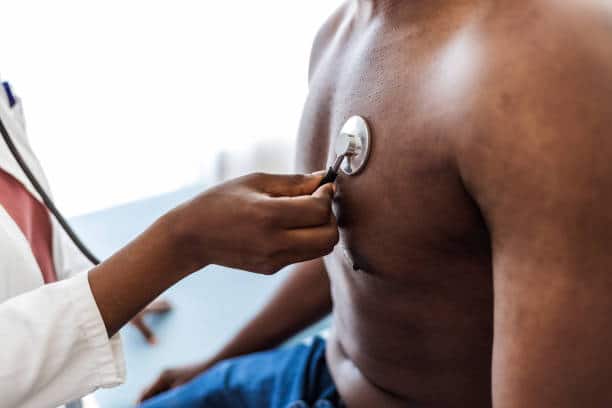
What to Expect During a Cardiac Test: A Step-by-Step Guide
Understanding what will happen during your cardiac test can help alleviate anxiety and ensure that you’re prepared for the procedure. Here’s a step-by-step guide to what you can expect during a typical cardiac test:
Arrival and Check-In: When you arrive at the healthcare facility where the test will be performed, you’ll need to check in at the reception or registration desk. Ensure that you have any necessary paperwork, identification, and insurance information with you.
Preparation: A nurse or medical assistant will escort you to a preparation area where you’ll be asked to change into a hospital gown, if necessary. They might also take your vital signs such as blood pressure, heart rate, and temperature.
Explanation of the Procedure: A member of the healthcare team, such as a nurse or technician, will explain the procedure to you in detail. They will answer any questions you have and ensure that you understand what will happen during the test.
Positioning: You’ll be positioned on an examination table or bed in a way that allows the healthcare provider to
access the area of the body being tested. Depending on the type of cardiac test, you might need to lie flat on your back or stomach.
Monitoring: During the test, your vital signs will be monitored closely to ensure your safety. This might include continuous electrocardiogram (ECG or EKG) monitoring, which tracks your heart’s electrical activity.
Administration of Sedation (if applicable): If the test requires sedation, such as conscious sedation for cardiac catheterization, a healthcare provider will administer the sedative medication. This is done to keep you relaxed and comfortable during the procedure.
Performance of the Test: The healthcare provider will perform the cardiac test according to the specific procedure. This might involve inserting a catheter into a blood vessel for cardiac catheterization, using imaging techniques to visualize the heart’s structure and function, or conducting stress tests to assess your heart’s response to physical activity.
Recovery and Post-Procedure Care: After the test is completed, you’ll be taken to a recovery area where you’ll be monitored as the effects of any sedation wear off. Depending on the type of test, you might be able to go home the same day or require a short hospital stay for further observation.
Follow-Up: Your healthcare provider will discuss the results of the test with you and provide any necessary instructions for follow-up care. This might include medication adjustments, lifestyle recommendations, or additional tests or treatments.