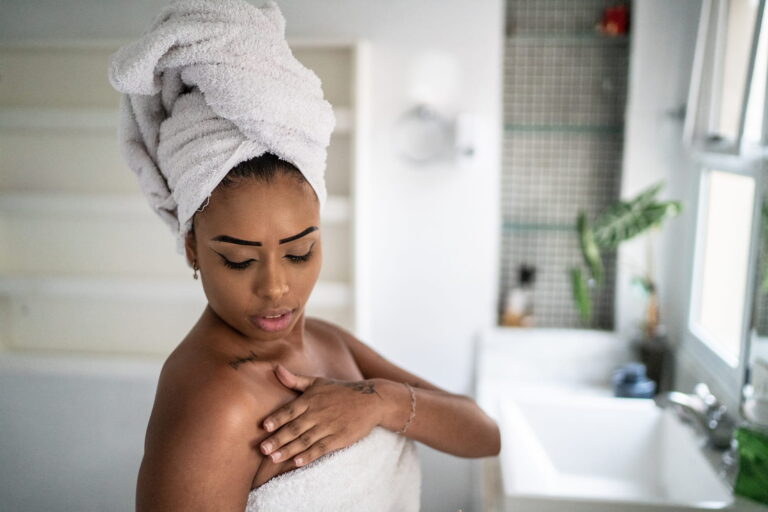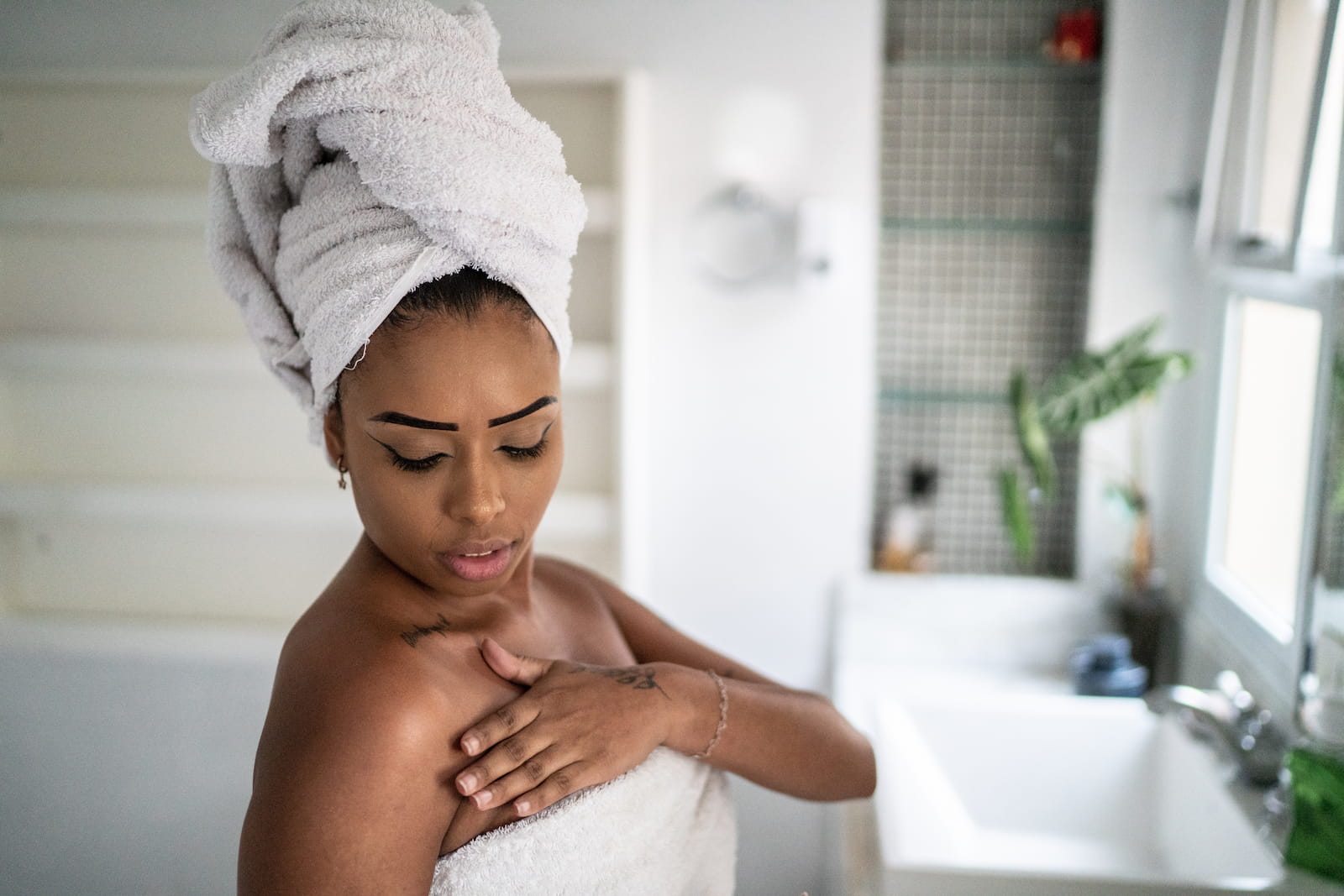
A shower should leave you feeling clean and refreshed. But when you have psoriasis, something as simple as bathing can sometimes leave your skin feeling dry, tight, itchy, or more irritated than before. Psoriasis makes the skin more sensitive to irritation and dryness. That means very hot water, harsh soaps, scrubbing, and even the way you dry off can affect how your skin feels. According to the American Academy of Dermatology (AAD), changing a few bathing habits can help reduce dryness and lower the risk of psoriasis flare-ups.
This can be especially helpful for Black people because psoriasis may look different on darker skin. Patches may appear purple, dark brown, or gray instead of red or pink. Dark or light spots may also remain after the skin clears. You don’t need a complicated shower routine. A few simple changes can help keep your skin calmer and more comfortable.
A long shower may feel relaxing, but your skin may not agree. Spending too much time in water can dry your skin and make psoriasis feel tighter or itchier. The AAD recommends limiting showers to about five minutes and baths to 15 minutes or less. If five minutes feels too short, start by slowly cutting back your shower time. A timer on your phone can help.
You also don’t need to take several full showers a day unless your healthcare provider has recommended it. If you exercise or get sweaty, ask your dermatologist how to keep your skin clean without drying it out.
Try this: Keep your shower short, wash gently, rinse well, and get out rather than standing under the water after you’re finished.
RELATED: Morning Showers Vs. Nighttime Showers: Which Is Better?
A hot shower can feel wonderful, especially on a cold morning. Unfortunately, very hot water can make already-dry skin even drier. The AAD recommends using warm—not hot—water when you have psoriasis. You don’t have to take a cold shower; simply turn the temperature down until the water feels comfortably warm. If your skin regularly feels tight or itchy as soon as you step out, try lowering the temperature and see whether you notice a difference.
RELATED: Benefits of Cold Showers for Men | Stop Hot Showers
That body wash may smell amazing, but fragrance isn’t always friendly to sensitive skin. Psoriasis-prone skin can be easily irritated, so your everyday soap, body wash, scrub, or other shower products deserve a closer look. The AAD recommends a gentle, moisture-rich cleanser designed for sensitive skin and advises avoiding harsh deodorant soaps and scrubs. The National Psoriasis Foundation (NPF) also recommends fragrance-free moisturizers and moisturizing cleansers for people with psoriasis. When shopping, look for simple products labeled fragrance-free and for sensitive skin.
Keep in mind that “natural” doesn’t automatically mean gentle. Essential oils and plant-based ingredients can still bother sensitive skin, and even some over-the-counter psoriasis ingredients may cause irritation. For example, the AAD notes that coal tar can irritate some people’s skin. If you’re unsure about an ingredient or product, ask your dermatologist before adding it to your routine.
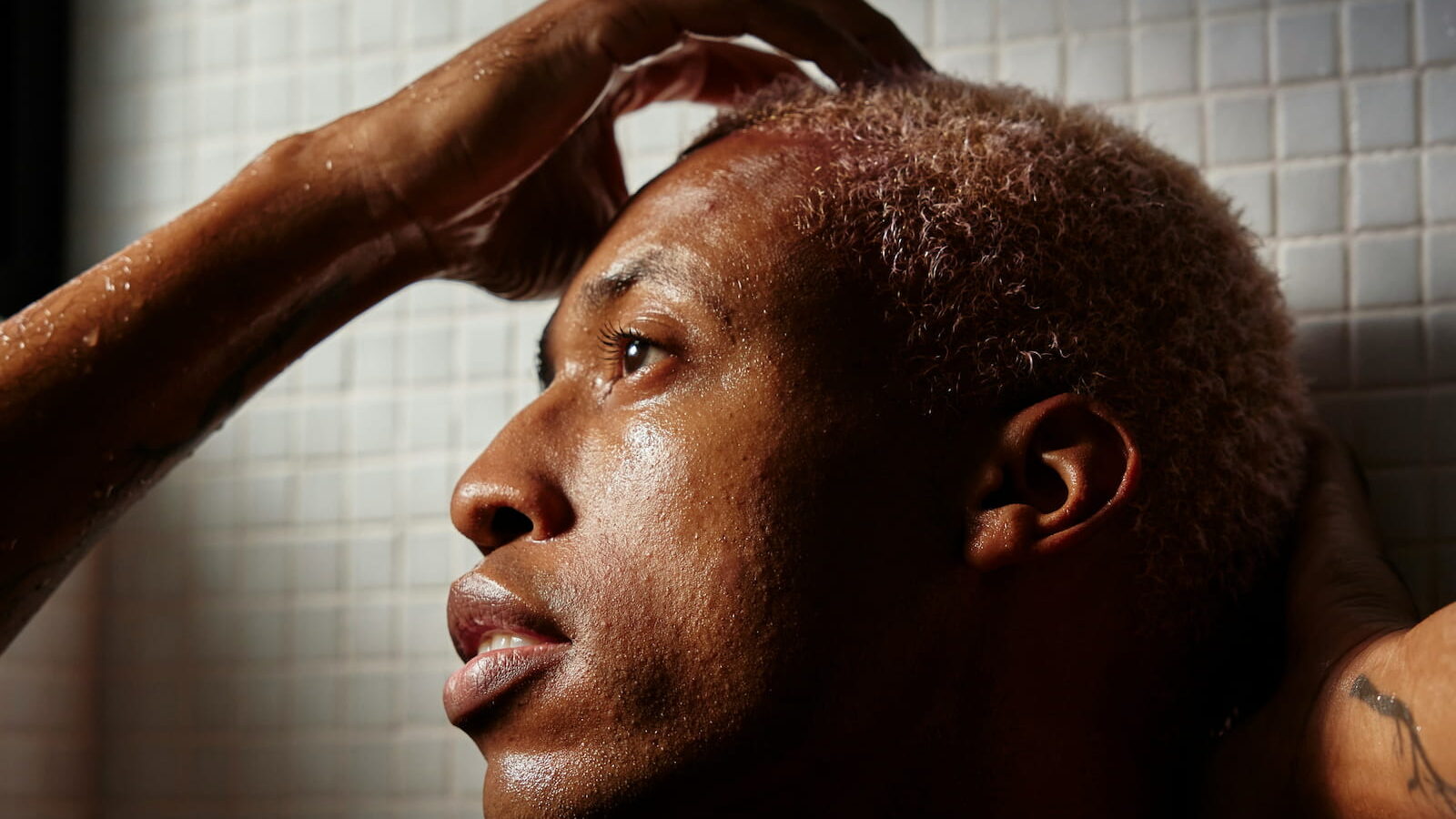
You don’t need to scrub your skin hard to get clean. Loofahs, rough washcloths, exfoliating gloves, body brushes, and similar products create friction against the skin. For someone with psoriasis, that extra rubbing could make already sensitive areas even more irritated. Instead, dermatologists recommend gently washing your skin by hand. Use your fingertips to spread cleanser over your skin without rubbing aggressively, then gently rinse it away. It may feel strange if you’re used to scrubbing, but clean skin doesn’t have to feel “scrubbed.”
RELATED: Washcloth or No Washcloth In The Shower?
When you see loose scales, it’s tempting to pick or scrub them away, but try to resist. Scratching, picking, or aggressively removing scales can injure your skin and further irritate psoriasis, especially if the area is already cracked, sore, or bleeding. The same rule applies to the scalp. The AAD warns that forcefully removing scalp scales can worsen psoriasis and may pull out hair along with the scale. If scale buildup bothers you, talk with your dermatologist about products that can safely soften and loosen it.
Some people also find certain baths soothing. The National Psoriasis Foundation notes that oatmeal, bath oils, Epsom salts, and Dead Sea salts may help some people soften scales and relieve itching. If you try one, keep the water warm rather than hot, limit soaking to about 15 minutes, and moisturize afterward. The NPF also notes that while some people report less itching or redness after an oat bath, strong scientific evidence specifically supporting oats for psoriasis is limited.
What you do after turning off the water matters too. Rubbing yourself dry with a towel creates more friction against already-sensitive skin. Instead, gently pat or blot your skin dry. Experts recommend leaving the skin slightly damp rather than drying every drop of water. Use a clean, soft towel and press it lightly against your skin. This small change can be especially helpful when you have sore or sensitive plaques.
If there’s one habit worth adding to your routine, it’s moisturizing right after you bathe. The AAD recommends applying a fragrance-free moisturizer within five minutes of getting out of the shower or bath while your skin is still slightly damp. Thick creams and ointments generally hold moisture better than thinner lotions. Think of moisturizer as the final step in your shower routine, not something you’ll remember to do later. Keep it somewhere easy to see—such as next to your towel or bathroom sink—so you can apply it immediately.
Be gentle when applying it; you don’t need to rub it aggressively into plaques. If a thick ointment feels too greasy during the day, talk with your dermatologist about alternatives that feel comfortable enough for you to use regularly.
Scalp psoriasis deserves its own routine, especially for Black people who wear braids, locs, wigs, extensions, or other protective styles, because hair care recommendations aren’t always one-size-fits-all. The AAD notes that scalp psoriasis treatment for people of African descent may involve medicated shampoo once or twice a week rather than frequent shampooing. A dermatologist can alter treatment based on your hair texture, hairstyle, and usual wash schedule.
The National Psoriasis Foundation’s Skin of Color Resource Center also points out that some medicated shampoos require frequent washing, which may cause dryness and breakage in coarser hair. Other treatments, such as oils, foams, lotions, or solutions, may work better as part of someone’s regular hair routine. If you wear braids, locs, or wigs, don’t aggressively scratch your scalp or scrape away flakes between wash days. Scratching can injure the skin and trigger more psoriasis.
Also pay attention to how tight your hairstyle feels. The AAD recommends avoiding tight hairstyles because pulling on the hair can irritate the scalp, trigger a flare, and eventually contribute to hair loss. Having scalp psoriasis doesn’t mean you have to give up the hairstyles you love. It may simply mean adjusting how tightly they’re installed, how you clean your scalp, and which treatments you use.
A good shower routine can make psoriasis more comfortable, but it isn’t a replacement for medical treatment. If your skin continues to flare despite changing your routine, talk with a dermatologist. Psoriasis treatment can reduce symptoms such as itching, pain, and scaling and help prevent the condition from worsening. Pay particular attention to areas that become very painful, repeatedly crack or bleed, or look infected. Contact a medical professional if you notice increasing redness or discoloration, warmth, swelling, drainage, pus, worsening pain, or fever, rather than trying to manage the problem with another skincare product.
If you have darker skin, also tell your dermatologist about changes that may not look bright red. The AAD notes that psoriasis on Black skin may appear violet, dark brown, or gray, and skin color changes can remain for months after plaques clear.
Living with psoriasis doesn’t mean you need many expensive products. Simple changes can help, like taking shorter, warm showers, using a gentle cleanser, avoiding scrubbing, patting your skin dry, and moisturizing while it’s still damp. If you have scalp psoriasis, choose a routine that works with your hair. For Black patients, it may also help to find a dermatologist who understands textured hair, protective styles, and scalp care.
Most importantly, don’t blame yourself when your psoriasis flares. Psoriasis is a chronic condition, and even a careful skincare routine can’t prevent every flare. Changing your shower habits isn’t about achieving “perfect” skin. It’s to reduce unnecessary irritation and make everyday life a little more comfortable. A few small changes to something you already do every day may help you step out of the shower with skin that feels calmer, softer, and better cared for.


By subscribing, you consent to receive emails from BlackDoctor.com. You may unsubscribe at any time. Privacy Policy & Terms of Service.
Enter your name and email to receive the download link.