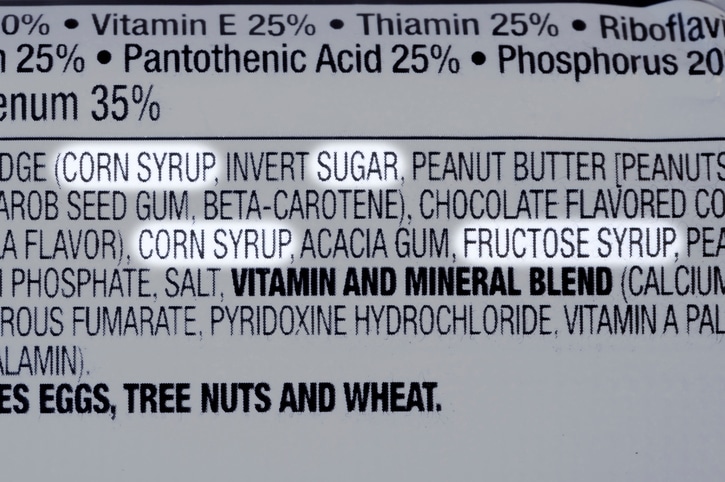
When it comes to our favorite drinks, whether in the form of a latte, a piping hot cup of tea, or a delicious cocktail, you may be surprised how that calorie (and sugar) count spikes in the presence of artificial sweeteners, high-fructose syrup or even honey. Which begs the question: is one healthier than the other?
RELATED: Can’t Believe It’s Not Sugar: Sweeteners For People With Diabetes
To help you decide, here’s the real deal on sweeteners and five healthier substitutions.
While research shows that sugar may lead to tooth decay, obesity, or worse, Americans consume 165 pounds of added sugar each year, author of Feed the Belly, Frances Largeman-Roth, RD, told Health magazine.
Found in soft drinks, gelatins, bubble gum frozen desserts, cereal, yogurt, tea, and even cough drops, among other things, artificial sweeteners have absolutely no nutritional value.
Popular brands include Sunett, Sweet One, Equal, Nutrasweet, Truvia, Sweet’N Low, Agave nectar, and Splenda.
Agave is sweeter than sugar but contains more fructose than table sugar. In other words, it’s more likely to reduce your metabolism and insulin sensitivity.
While approved by the FDA, World Health Organization, and the American Dietetic Association – claiming that in moderation these sweeteners pose no threat, the CSPI gave artificial flavorings containing Aspartame, aka Equal and Nutrasweet their lowest ranking (food additives) stating their belief that users are at risk of weight gain or worse, cancer.
When it comes to HFCS (high fructose corn syrup), some studies found that beverages sweetened with food additives contributed to obesity.

Meanwhile, in 2009 the American Heart Association further slashed that number suggesting women consume no more than6 teaspoons daily. Men are not to exceed nine teaspoons.
RELATED: Fun Low-Fat Desserts For A Low Sugar Diet

Often promoted as healthier options, the following natural sweeteners may be worth your consideration:
It’s important to note that even these so-called “natural” sweeteners undergo processing and refining. In saying that, the key is moderation.


By subscribing, you consent to receive emails from BlackDoctor.com. You may unsubscribe at any time. Privacy Policy & Terms of Service.