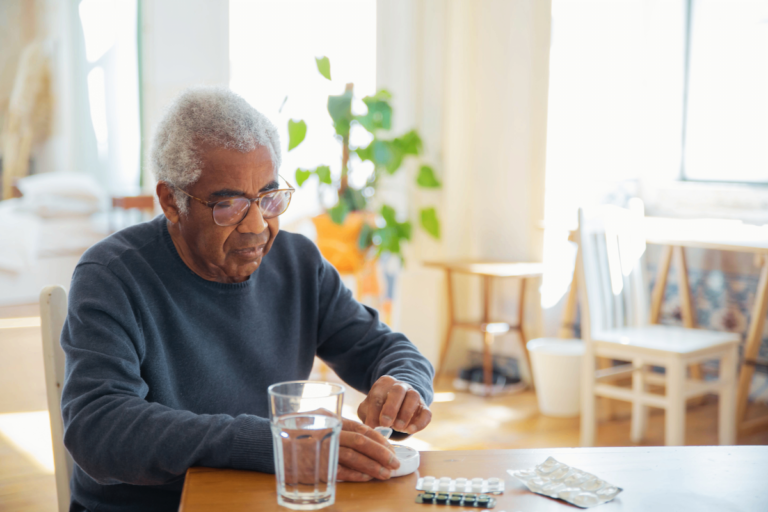
Serious warnings from the Food and Drug Administration (FDA) are included on Xanax boxes. Boxed warnings alert patients and doctors about the potentially dangerous effects of a drug.
Even when used as prescribed, benzodiazepines can lead to physical dependence and withdrawal if you suddenly stop using the drug. Withdrawal symptoms can be life-threatening.
Using benzodiazepines can lead to misuse and addiction. Abuse of benzodiazepines increases your risk of overdose and death.
You should only take these drugs as prescribed by your doctor. Talk to a healthcare provider if you have concerns about how to safely take a benzodiazepine.
A panic attack is a sudden, intense surge of anxiety, fear, or panic. Overwhelming emotional and physical symptoms often accompany panic attacks, such as difficulty breathing, profusely sweating and trembling, and heart pounding. Some people experience chest pain and feelings of detachment from reality during a panic attack. Oftentimes, people think they’re having a heart attack or a stroke during a panic attack.
Panic attacks happen for various reasons. Sometimes, they happen for no apparent reason. You’re more likely to experience a panic attack if you:
Panic attacks often happen when you’re exposed to a trigger. Some people find that the following may trigger a panic attack:
RELATED: ‘Yes We Can!’: Same Mantra But New Marching Orders For Us
The following is a list of some of the symptoms you might experience during a panic attack:
Panic attacks can be frightening and overwhelming. They may hit you quickly. Here are 10 short-term and long-term strategies you can use to stop or manage panic attacks.
Therapy and other types of counseling can help people who have panic attacks and panic disorders.
You can find therapy for individuals or groups, online or face-to-face, and the length of therapy can vary.
Benzodiazepines, such as Xanax, can help treat symptoms of panic attacks as they occur.
However, they won’t help treat an underlying anxiety disorder and can quickly lead to dependence. Doctors typically only recommend benzodiazepines for short-term use. A panic disorder diagnosis is likely needed before benzodiazepines will be prescribed to you.
In some cases, doctors may prescribe anti-depressants for long-term use.
Hyperventilating is a symptom of panic attacks that can increase fear. Deep breathing can reduce symptoms of panic during an attack by improving the feeling of relaxation, comfort, and alertness.
RELATED: Mindfulness: How It Can Help You Stress Less
If you’re in a fast-paced environment, closing your eyes may prevent triggers from overwhelming you. Closing your eyes also makes it easier to focus on your breathing.
Mindfulness involves focusing your attention on the present, recognizing the mental/emotional state you’re in, and meditating to reduce stress and help you relax.
Muscle relaxation aims to release tension in your whole body. Deep breathing, relaxing one muscle at a time, and identifying areas of tension will become effective with some practice.
Guided imagery can help reduce stress and anxiety. Both spending time in nature and visualizing nature can help manage anxiety. Think about the most relaxing place in the world. A sunny beach? A cabin in the mountains? Picture yourself there and focus on the details as much as possible.
Exercising at 60%-90% of your maximum heart rate for 20 minutes three times per week can help reduce anxiety. Moderate options like walking, swimming, or yoga are great for stress.
Repeating a mantra can be relaxing and reassuring. “This too shall pass,” or another mantra that speaks to you personally may help a panic attack start to subside.
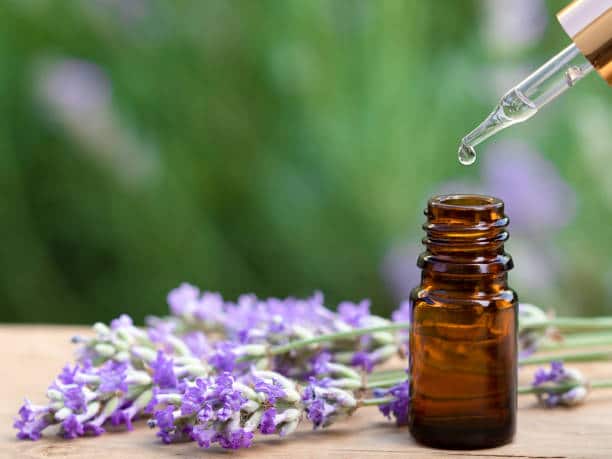
Lavender essential oils have calming effects that many people use to reduce stress. Get your essential oils from a reputable source and follow the instructions for use.


By subscribing, you consent to receive emails from BlackDoctor.com. You may unsubscribe at any time. Privacy Policy & Terms of Service.