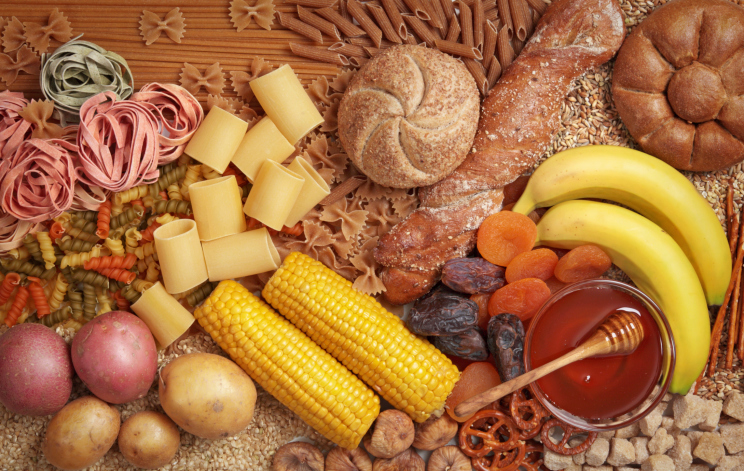
(BlackDoctor.org) — Carbohydrates are an important aspect of the daily diet, yet different carbohydrates impact our bodies in various ways. The Glycemic Index (GI) offers a way to measure how various carbohydrates act once they are broken down and enter our bloodstream – which can affect your weight loss goals.
Carbohydrates in the Digestive System
Carbohydrates are mostly made up of sugars, starch and cellulose. When you eat a carbohydrate, it is broken down by the digestive system into glucose, and glucose is one of the energy engines (along with fats and proteins) that keep your body going throughout the day.
Types of Carbohydrates
Carbohydrates come in different forms:
• Simple. Simple carbohydrates break down very quickly and cause spikes in blood sugar levels (which can negatively affect your diet). This group of carbohydrates includes fruit sugar (fructose), corn sugar, or table sugar (sucrose).
• Complex. Complex carbohydrates include whole grains, brown rice and other grain products, as well as legumes and some starchy plants like potatoes and corn. Other vegetables contain carbohydrates, but also contain a great deal of indigestible dietary fiber (which can positively affect your diet). Over all, it is recommended that complex carbohydrates make up approximately 50% of your daily dietary intake.
The Glycemic Index
The Glycemic Index (GI) was introduced in the recent past as a way to measure the rate at which various carbohydrates increase blood sugar. The GI runs from 0 to 100, and foods with the highest GI rate closer to the high end of the index and raise blood sugar very quickly. Foods with a lower GI raise blood sugar more slowly.
Essentially, foods with a GI over 70 are considered having a high GI, and foods with a GI below 55 are considered having a low GI.
Examples of low glycemic foods include: Carrots (39), peanuts (15), Broccoli (15), Kidney beans (52)
Examples of medium glycemic foods include: Brown rice (55), raisins (64), mashed potatoes (70), table sugar (65)
Examples of high glycemic foods include: White bread (71), corn flakes (83), watermelon: (72), jelly beans (80)
How Does This Affect My Diet?
Eating foods high on the glycemic index causes spikes in blood sugar. When blood sugar spikes, high levels of insulin are released into the bloodstream in reaction, and this release of insulin can lead to weight gain and the development of diabetes. It also leads to increased hunger, since these blood sugar “spikes” are quickly lowered, which forces your body into thinking it’s hungry again.
The consistent ingestion of high glycemic foods, the frequent release of large amounts of insulin, and the “see-saw” of blood sugar spikes and valleys are unhealthy processes that can lead to the development of pre-diabetes, diabetes and obesity.
What Can I Do?
The dangerous effects of these sugar spikes can be controlled by eating more lower glycemic foods, particularly the ones that are high in fiber.
• Eat more complex carbohydrates and whole grains. While some fruits may be high on the GI, bear in mind that many fruits and vegetables also contain higher levels of fiber.
• Read ingredient labels and avoid processed foods with added sugars and high carbohydrate and sugar levels.
The Glycemic Index is easy to find on the Internet, with the most comprehensive database being found at http:glycemicindex.com.


By subscribing, you consent to receive emails from BlackDoctor.com. You may unsubscribe at any time. Privacy Policy & Terms of Service.